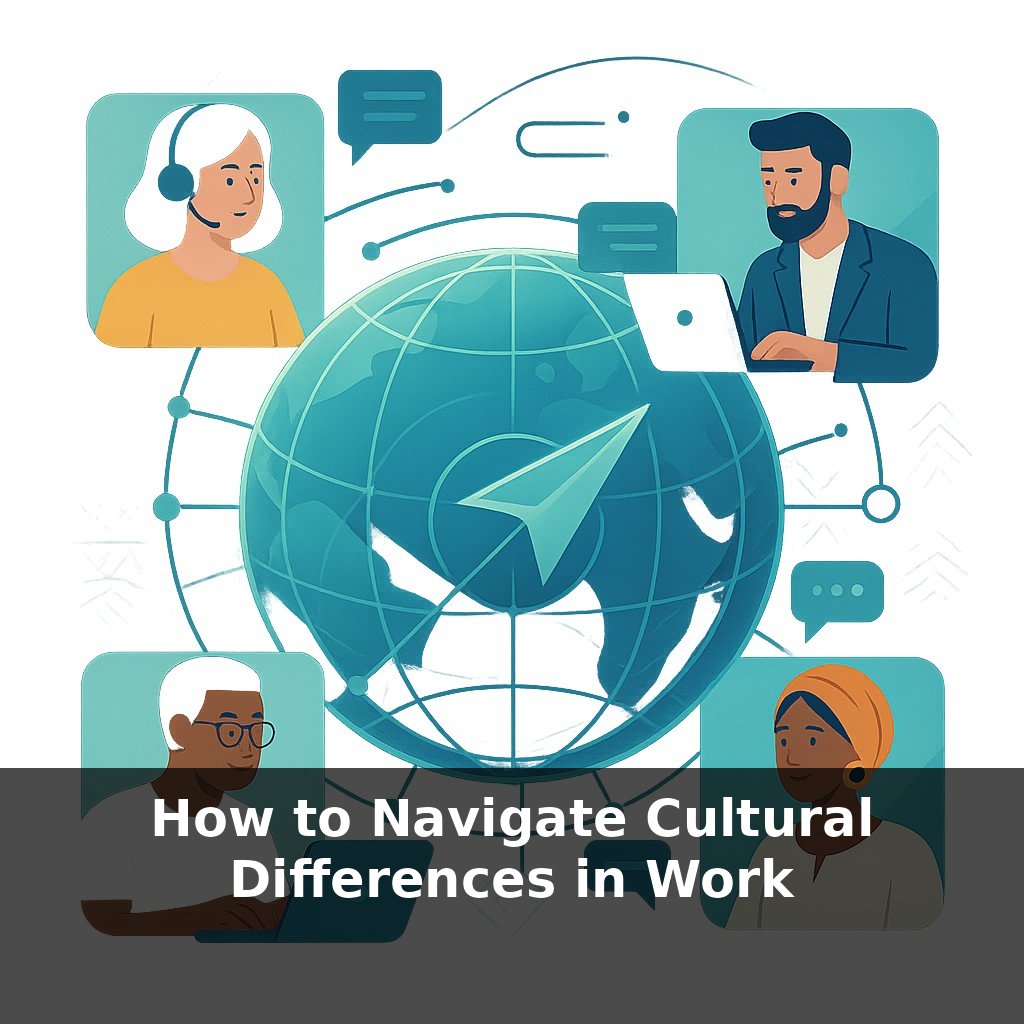
Teams with high trust can be about half again as productive—yet most leaders still treat trust as a “soft” bonus, not core infrastructure. In today’s episode, we drop into tense video calls and quiet side-chats to uncover how trust actually works inside multicultural teams.
“Trust isn’t built in grand gestures—it’s built in 15‑second moments.” That’s where culture quietly rewrites the rules. Today we zoom into those micro‑interactions: the delayed reply that feels disrespectful to one teammate but perfectly normal to another; the blunt email that signals honesty in one culture and aggression in another.
Here’s the twist: the three universal pillars of trust—competence, integrity, benevolence—don’t disappear across borders, but the way we *signal* each one changes. In some cultures, staying late three nights in a row proves competence; in others, speaking up first with a clear point of view does. Some see public disagreement as integrity; others see it as disloyalty.
We’ll unpack how to spot these hidden signals, make them explicit, and design team habits so trust doesn’t depend on guesswork—or on everyone sharing the same background.
Here’s where it gets practical. When Google dissected 180+ teams, psychological safety—people feeling safe to take risks—beat raw talent, tools, and seniority as the top driver of results. Yet in many global teams, less than 30% of members feel comfortable admitting a mistake on calls with other regions. Add culture to that mix and signals get scrambled fast: a manager in Tokyo may wait for 2–3 meetings before voicing doubt; a peer in New York may challenge an idea in the first 2 minutes. Your job isn’t to guess motives—it’s to design conditions where both styles can safely coexist.
main_explanation: Start with the brutal math. If low trust can inflate “transaction costs” by up to 40%, every unclear email thread, duplicated report, or extra approval layer is a tax on your global team. On a 10‑person project with a $500K budget, that’s the equivalent of burning $200K just to compensate for doubt.
To reverse that, you need two parallel tracks: *personal* trust and *structural* trust.
Personal trust scales through small, repeated proofs. Think in concrete numbers: - Aim for at least 1 clear, visible delivery per week that others can rely on: hit the deadline you set, or proactively renegotiate it 24 hours before. - In mixed‑culture teams, target a 3:1 ratio of “credit to others” vs. “claims for yourself” in public forums. That signals reliability without self‑promotion becoming a cultural flashpoint. - Use a 24‑hour rule for acknowledgment: even when you can’t solve the issue, confirm you’ve seen the message and give a realistic time you’ll respond fully.
Structural trust comes from making expectations explicit so they don’t get filled in by stereotypes. Turn fuzzy norms into numbers: - Response windows: “We reply to internal messages within 24 business hours; urgent = use channel X.” That one line can defuse 70–80% of “they’re ignoring us” stories. - Meeting design: Require that at least 60% of recurring calls include pre‑reads and written input, so quieter cultures can prepare instead of improvising live in a second language. - Turn‑taking: For critical decisions, use a simple rule—everyone speaks once before anyone speaks twice. In a 6‑person call, that guarantees 6 perspectives before the loudest 2 dominate.
Rituals matter more than slogans. One global pharma team instituted a 5‑minute “red flag round” in 100% of project meetings: anyone could name a concern without needing a solution. Within 3 months, they logged 27% more issues *earlier* in the timeline—and reduced late‑stage rework by 18%.
Your goal isn’t to make everyone behave the same; it’s to make the *rules of engagement* so clear that different styles can be interpreted as contributions, not threats.
A global fintech team in London, Mumbai, and Warsaw ran a simple “trust visibility” experiment. For 30 days, each stand‑up ended with 2 questions: “What did someone else do that helped you move faster?” and “Where did you feel you had to double‑check?” They logged answers in a shared sheet. By day 10, patterns emerged: 80% of “double‑check” moments traced back to two recurring issues—unclear handoffs between time zones and silent disagreement in sprint planning. Instead of vague training, they made two precise moves: every task over 4 hours now required a written “definition of done,” and sprint meetings added a 2‑minute “contrast round” where at least 2 people had to argue how the plan could fail. Within 6 weeks, cross‑region rework dropped 22%, and incident reports tied to miscommunication fell from 9 per month to 3. Notice they didn’t ask people to “trust more”; they made reliability and dissent *observable* in specific behaviors and numbers.
By 2030, expect “trust audits” alongside financial audits. Boards will track metrics like: % of decisions made asynchronously, median response time across time zones, and rate of AI‑flagged misalignment in chats. Teams that codify behaviors (e.g., every critical decision logged within 12 hours; all feedback time‑stamped and labeled direct/indirect) will adapt faster than those relying on intuition—even if their people feel “close.”
Your next edge won’t come from more tools but from designing how people relate. Treat “trust moves” as trackable: 3 clear commitments per person per week, 1 structured risk‑sharing ritual per recurring meeting, quarterly reviews of 2–3 failed bets. The teams that normalize small, visible bets today will be the ones shipping bolder, smarter work in 12 months.
Before next week, ask yourself: Where, specifically, am I over‑promising and under‑delivering (deadlines, responses, follow‑through), and what’s one concrete boundary I need to set so my word actually matches my capacity? In my closest relationship at work or home, what’s one uncomfortable truth I’ve been avoiding saying out loud, and how could I share it this week in a way that’s honest but still respectful and kind? When someone around me messes up, do I automatically assume bad intent, or could I pause, get curious, and ask one clarifying question before I decide what story I’m telling myself about them?