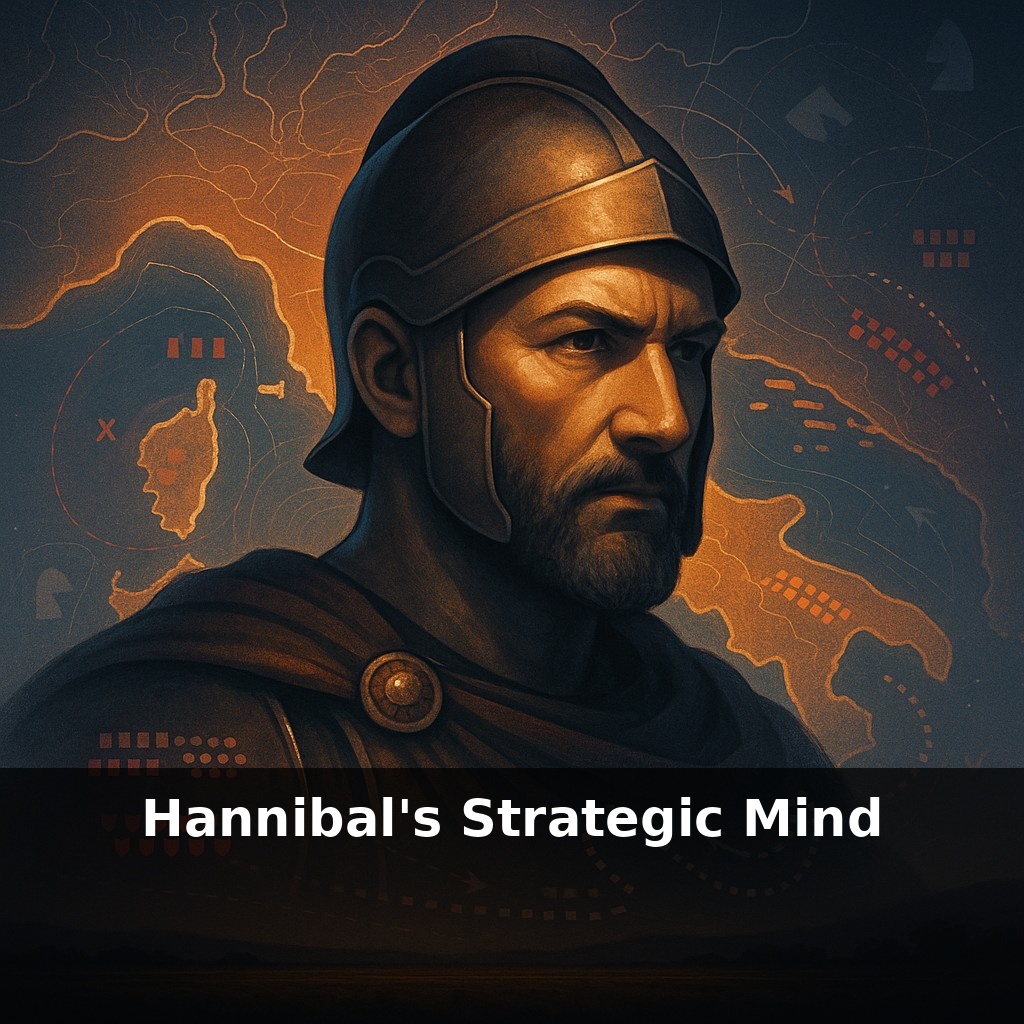
Roman soldiers stood on an Italian plain, outnumbering their enemy by about two to one—yet by sunset, their army was shattered. At the center of that disaster was Hannibal Barca, a commander who treated maps, morale, and fear as weapons just as sharp as any sword.
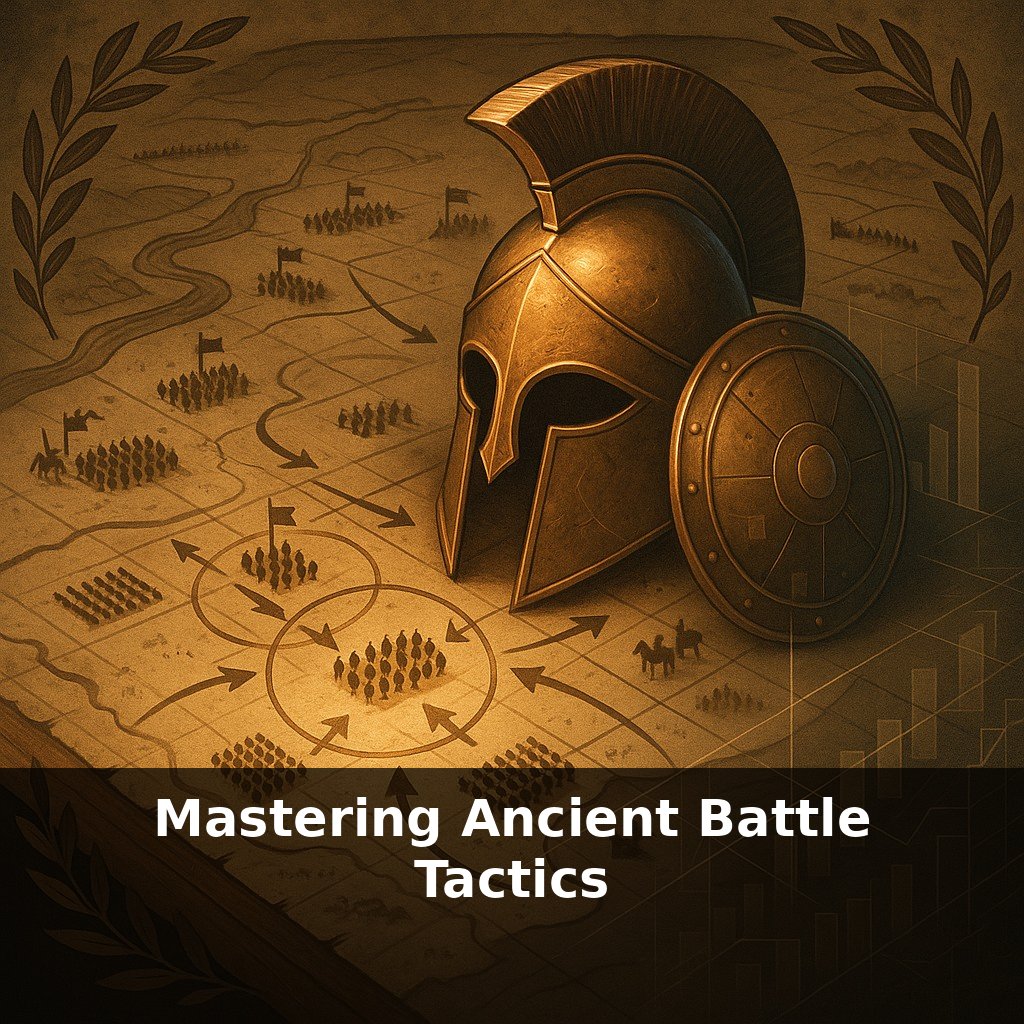
Before that catastrophic clash on the Italian plain, Hannibal had already been winning a quieter war most people never see: the war of preparation. He didn’t just move troops; he rearranged the political and emotional landscape around Rome. He studied river crossings, supply routes, and seasonal patterns the way a musician learns scales—so thoroughly that improvisation in battle became second nature. He sought allies among Rome’s resentful neighbors, turning old grudges into fresh spears. Inside his own ranks, he balanced rival tribes, pay expectations, and local customs, keeping a fragile coalition focused on a single purpose. And while Roman leaders trusted their traditions, Hannibal probed their habits, predicting how they would react under pressure and setting traps that played on their overconfidence. To grasp his strategic mind, we have to zoom out from single battles and watch how he shaped the entire campaign’s stage.
He also understood that every march and campfire whispered messages. Where he chose to appear—on a mountain ridge, near a restless city, along a vital road—signaled confidence, vulnerability, or invitation. Roman commanders often read those signals through the lens of pride; Hannibal counted on that, baiting them into costly moves. His polyglot army watched him up close: when pay came on time and food arrived after brutal marches, loyalty hardened. Even his use of scouts and informants wasn’t just about data; it was about shaping what both enemies and followers believed was possible.
Hannibal’s real artistry shows when we zoom in on *how* he turned all that preparation into day‑to‑day decisions.
Start with his army itself. He didn’t try to force Libyan spearmen, Iberian swordsmen, Gaulish warriors, and Numidian horsemen into one uniform style. Instead, he treated each group as a distinct tool. The disciplined Africans formed a steady core, the Iberians excelled in fierce, close combat, the Gauls brought explosive shock and terror, and the Numidians harassed, scouted, and chased. On campaign, he constantly rearranged these components, adjusting his “mix” depending on terrain, weather, and which Roman commander he faced. That’s operational art: not just winning a battle, but designing a sequence of movements and engagements that shape what *kinds* of battles can even happen.
He also weaponized information. Hannibal didn’t merely collect reports; he filtered and prioritized them. Intercepted dispatches, rumors from merchants, and observations from Numidian riders were weighed against Roman patterns he had already mapped in his mind. When he learned which consul was in command—cautious or aggressive—he shifted posture accordingly. He leaked just enough visibility of his movements to seem vulnerable at specific points, then tightened his screen of scouts when he wanted to vanish.
Psychology ran through his logistics, too. He knew hunger and pay problems could fracture a coalition long before enemy swords did. So he targeted enemy granaries and supply depots not only to feed his men but to demonstrate competence and care. When he allowed his troops to plunder, he often directed them toward Roman-allied territories, sending a message: siding with Rome had a cost. Yet he could be surprisingly restrained toward cities he hoped to win over, using mercy as a bargaining chip.
Even his marches were chosen to unsettle. Crossing the Alps wasn’t just daring; it rewrote what Italian communities thought was possible. Later, by appearing suddenly in regions Rome considered safe, he undermined confidence in Roman protection. That steady erosion of belief in Roman invincibility was as important as any tactical victory. Step by step, he tried to make Rome fight on his terms, in places and moods that suited him more than them.
Think of a sudden mountain storm that seems chaotic from the valley, but reveals a pattern if you’ve watched the ridgeline for years. Hannibal operated at that level of pattern recognition. He noticed, for example, that Roman commanders rotated annually, which meant new leaders racing to win glory before their term expired. That time pressure became a pressure point: he offered them chances to fight “decisive” engagements that looked tempting to ambitious consuls, then structured those fields so their advantages—numbers, heavy infantry—became liabilities.
He also probed Italy like a long campaign of test cuts—small raids, feints toward cities, quiet deals with local elites—to see where loyalty to Rome was thick or paper‑thin. Each reaction updated his mental map. When a community stayed neutral under stress, he filed it differently than one that panicked at the first Numidian raid. Over time, he wasn’t just fighting legions; he was sorting an entire peninsula into categories: who could be swayed, who must be punished, who should be bypassed so his limited strength always pressed on the ripest targets.
Modern planners are edging toward something Hannibalic without naming it. As sensors flood commanders with data, the real advantage will be in *which* threads they pull: a mayor’s social media post, a spike in fuel prices, a sudden shift in refugee routes. Hannibal would urge us to treat these not as noise, but as currents in a larger weather system—using AI not just to predict strikes, but to forecast when a city is ready to flip, stall, or quietly change sides.
Studying Hannibal isn’t about memorizing ancient victories; it’s about training your eye to notice fault lines where others see solid ground. Your challenge this week: pick any modern rivalry—business, sports, politics—and trace not the clashes, but the quiet shifts in loyalty, timing, and terrain that make one side slowly lose its grip.