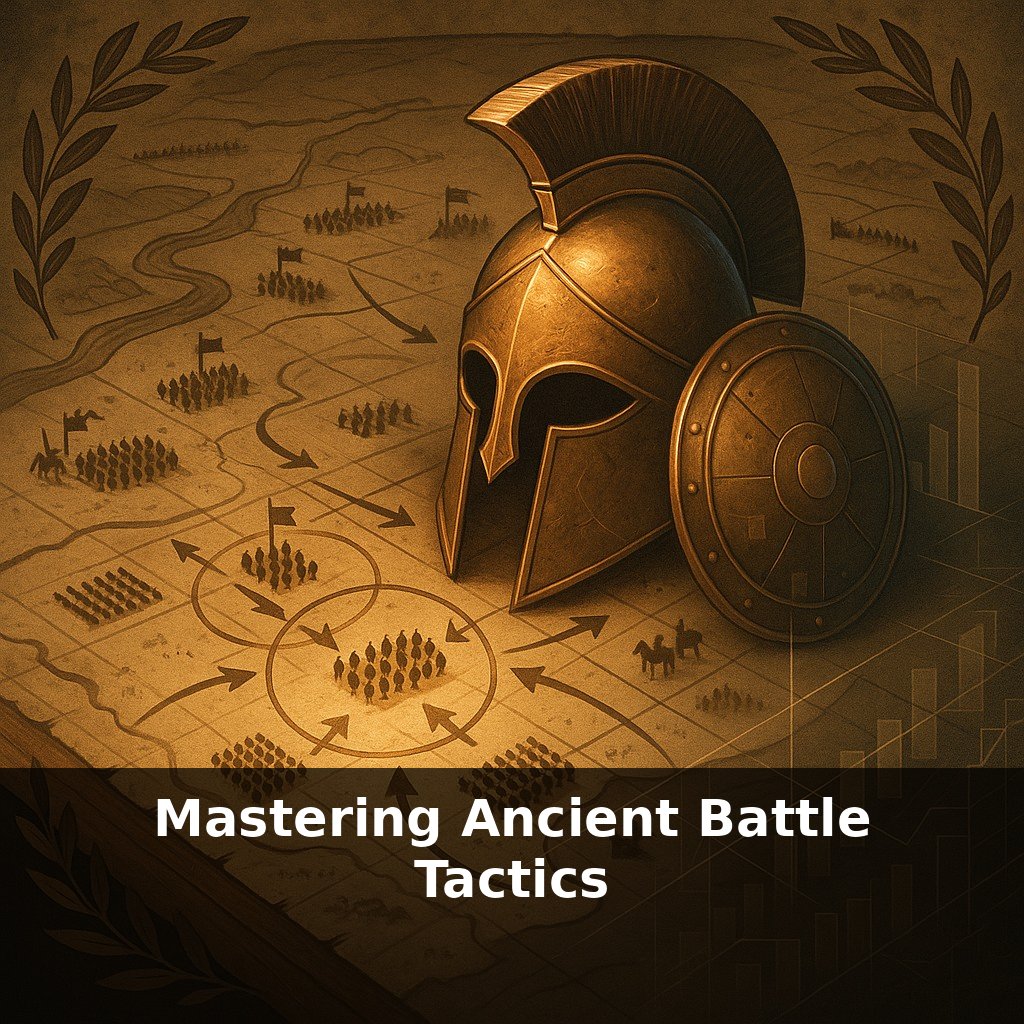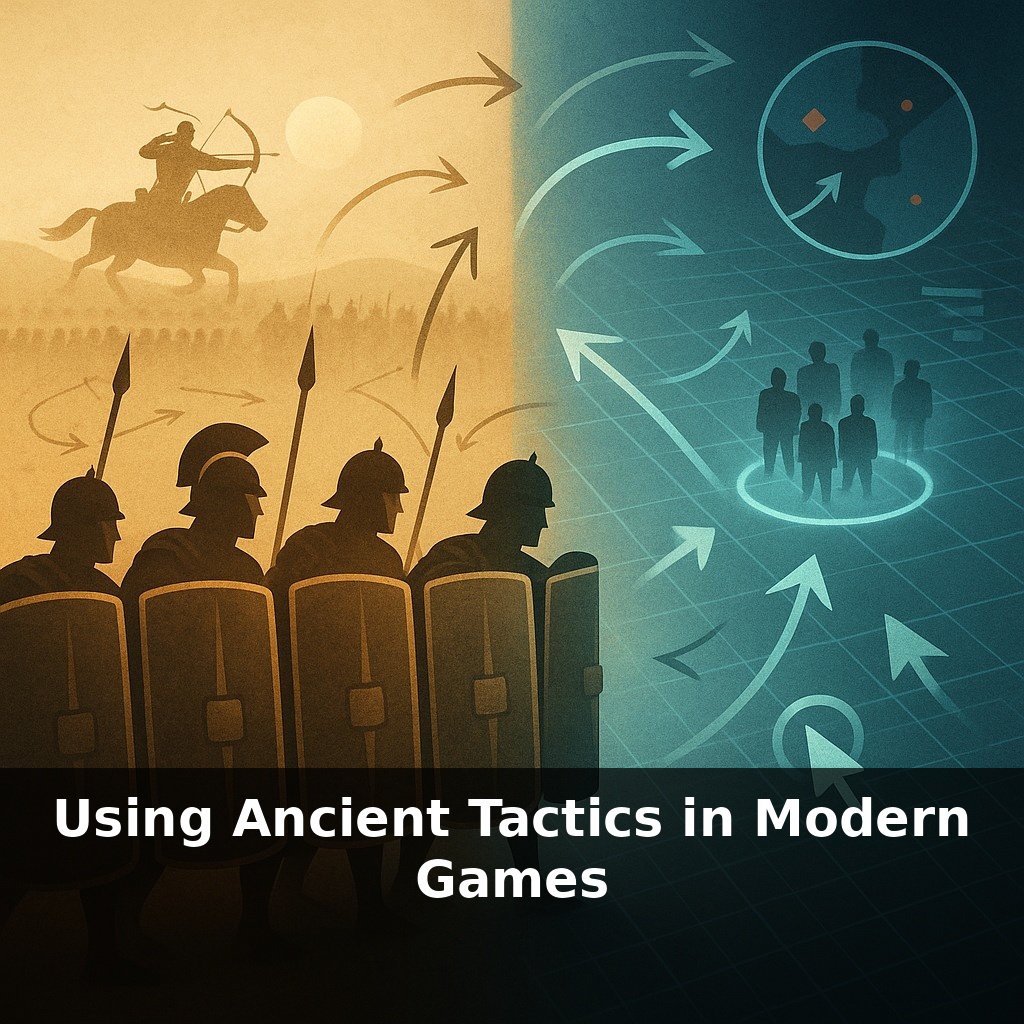
Historians and game studios now share a strange metric: when ancient tactics show up on-screen, players stay in the game longer. A Roman shield wall, a Mongol fake retreat—suddenly you’re not just clicking units, you’re stress-testing real battlefield ideas in modern worlds.
Developers aren’t just sprinkling “historical flavor” on top of modern games—they’re quietly turning their design docs into field manuals. When a studio wires an authentic maneuver into its core loop, players don’t see a footnote from a history textbook; they feel a new rhythm of risk and timing they can learn, practice, and eventually master. That’s part of why historically grounded abilities correlate with longer play sessions and higher skill ceilings: they invite you to read the battlefield, not just react to UI prompts. A well-implemented testudo or retreat mechanic stops being “the Roman thing” or “the Mongol thing” and starts behaving like a distinct instrument in your tactical orchestra, with its own tempo, ideal moments to “solo,” and ways it can clash with the rest of your army if misplayed. In this episode, we’ll break down how to turn that kind of deep, documented tactic into a clean, teachable game mechanic.
Players aren’t just hungry for “realism”; they respond when specific, named techniques shape what they can actually do in a match. That’s why you see a spike in usage whenever a game introduces a clearly labeled tactic—players sense there’s a learnable pattern hiding under the surface. The data backs it up: sessions run longer, and mastery curves get steeper, when tactics come with a clear promise and a visible payoff. For designers, the real puzzle isn’t authenticity versus fun; it’s deciding which fragments of old campaign reports can be turned into buttons, cooldowns, and synergies that feel natural in a modern ruleset.
Designing with old tactics starts with a blunt question: what *decision* did this maneuver force on real commanders—and how do you turn that into a repeatable player choice?
Take the Roman testudo’s cousins without naming them directly: any “protect at all costs” formation trades mobility and awareness for security. In code and rules, that can become a toggle that: - narrows a unit’s field of view - slows or roots it in place - massively improves survival against a specific threat type Now the player isn’t just pressing a “cool history button”; they’re weighing timing, terrain, and enemy composition. The history note only matters because the underlying risk–reward curve is legible.
A practical workflow many studios use looks like this: 1. **Extract verbs, not rituals.** Strip a tactic down to what it *does*: lure, pin, screen, delay, exhaust, confuse. Those verbs map cleanly to mechanics: debuffs, movement rules, fog-of-war tricks, resource drains. 2. **Anchor it to a single, strong read.** Each maneuver should have one thing it obviously excels at—breaking formations, stalling advances, baiting overextension—so players can build mental shortcuts after a few matches. 3. **Expose counterplay early.** If a tactic is famous and feels unbeatable, frustration spikes. Telegraph its setup: animations, audio cues, or UI markers that say, in effect, “this pattern is starting—respond now.” 4. **Let it fail loudly.** When players misuse a complex maneuver, the loss should teach. Maybe stamina crashes, morale crumbles, or supply lines snap. Clear consequences make the tactic feel earned, not granted.
Notice how non-war genres can borrow the same pattern. A city-builder can translate an encirclement idea into zoning that “surrounds” key districts with support buildings; a sports sim can echo an envelopment by scripting AI to overload one flank, then switch play across the field. The surface theme changes, but the logic of pressure, tempo, and tradeoffs stays intact.
When you get this right, an ability starts to feel less like a gimmick and more like a distinct “rhythm” available to the player: a recognizable sequence of setup, execution, and recovery they can sync with the rest of their toolkit. That rhythm is what turns a footnote from a campaign chronicle into something players intuit, practice, and eventually weaponize across completely different games.
A practical way to think about this is to treat each tactic as a *pattern of tempo* rather than a set of animations. In a stealth game, you might borrow an encirclement concept and turn it into a “silent pincer”: two squads auto-sync their routes so they arrive on opposite sides of a guard cluster at the same heartbeat, giving players a brief damage and panic window if they commit both at once. In a co-op dungeon crawler, a “refused flank” could become a stance where one player’s positioning literally drags the party’s aggro cone to one side, opening space for a glass-cannon teammate to operate uncontested—until the stance timer runs out and enemies surge back.
Even puzzle and rhythm games can tap this. A strategy of deliberate overextension becomes a mechanic where you stack risky multipliers for a few beats, then must “fall back” into a safe pattern or lose it all, echoing campaigns that stretched supply lines to create a single decisive moment.
Future implications stretch beyond combat-focused titles. Co-op heist games could crowdsource new maneuvers by logging how successful crews move, then turning emergent player habits into codified “plays.” Live-service updates might rotate seasonal doctrines the way music festivals rotate headliners, nudging the meta without invalidating old skills. As more genres experiment, “tactics literacy” could become a shared language between players, historians, and AI agents co-designing fresh scenarios.
As more games weave these tactics into their systems, players start spotting similar rhythms across genres the way you recognize a familiar chord in different songs. Suddenly a racing line, a stealth route, or a co-op boss pattern all feel like variations on learned moves, turning you from button-pusher into someone who reads games like evolving maps of intent.
Start with this tiny habit: When you launch a game you regularly play, pause on the main menu and say out loud one “ancient tactic” you’ll try this session (for example: “I’m going full Roman turtle formation on defense this match” or “I’ll use Sun Tzu scouting—check corners before every push”). Then, during the first 60 seconds of actual gameplay, do one single in-game action that fits that tactic, like holding shield with teammates for 10 seconds or doing one deliberate recon sweep before engaging. After the match ends, take three seconds to say whether that tactic helped or not—just a quick yes or no to yourself.