A week of ancient Stoic habits boosted people’s mood more than some modern wellness apps. A lawyer stuck in traffic, a nurse facing burnout, a parent up at midnight—each used one tiny mental move, drawn from Marcus Aurelius, to turn stress into sharper, calmer decisions.
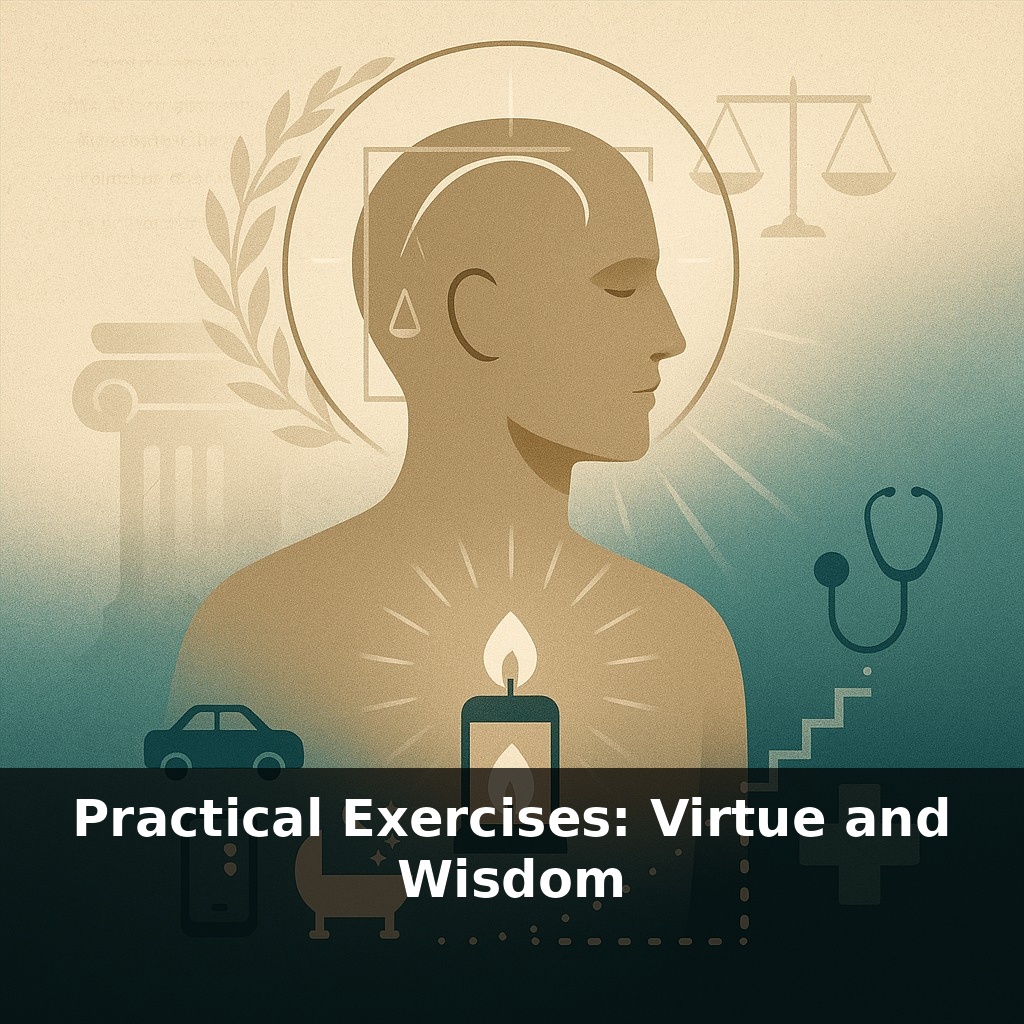
Now we turn to something quieter but more radical: treating virtue and wisdom as skills you can practise on purpose, not traits you either have or lack. Ancient philosophers didn’t wait for “character” to show up; they scheduled it, the way you’d schedule a meeting or a workout. Modern research is finally catching up, showing that brief, structured exercises can shift how your mind handles conflict, uncertainty, and pressure.
Think of a software update quietly installing in the background while you answer emails—that’s how these small practices work. You keep living your messy, demanding life; in the background, you’re rewiring how you judge, choose, and respond. Over time, your default setting moves from automatic reaction to deliberate, values‑guided action, even when no one is watching and no rulebook is telling you what to do.
Here’s the twist: the Stoics didn’t design these practices for quiet retreats; they designed them for courts, marketplaces, battlefields—places where mistakes were costly and public. Modern trials and studies now show what they intuited: specific routines can tune your attention, steady your emotions, and widen the gap between impulse and action. That gap is where better choices live. In this series, we’ll treat your ordinary day—emails, meetings, family tension—as a living lab, and each exercise as a small, deliberate test of who you’re becoming under pressure.
Aristotle said, “We become just by doing just acts.” Modern data quietly backs him. In that Exeter trial, participants didn’t change careers or move to the mountains; they added short, repeatable drills to days already full of deadlines and notifications. The pattern across studies is striking: the gains come not from intensity, but from consistency, and from *what* you focus on when you practise.
Think of three broad “training lanes” the ancients used, which research now lets us sharpen:
First, **attention training**. A Stoic doesn’t only ask, “What’s happening?” but, “Where is my mind habitually going?” Is it racing ahead to catastrophe, looping on blame, or skipping over small chances to help? Brief daily check‑ins—like noticing each time you silently predict how a meeting will go, then comparing prediction with reality—build a more accurate, less panicky pattern‑recognizer. CBT calls this catching automatic thoughts; virtue ethics treats it as refining your moral radar.
Second, **evaluation training**. The Stoics were obsessed with the moment *after* perception: the instant when you label something as good, bad, or indifferent. Modern dispute techniques echo this. When you rehearse alternative readings of an event—“They ignored my message” becomes “They might be swamped” or “Maybe I wasn’t clear”—you’re not being naïve; you’re widening the menu of possible responses. Over time, your snap judgments become less about ego, more about reality and shared goals.
Third, **action training**. Without small behavioural experiments, all this stays in your head. Classical writers recommended tiny, slightly uncomfortable acts that align with your values: admitting a minor mistake quickly, giving credit before you’re sure you’ll get any, pausing one beat before you reply to a provocation. Positive psychology now treats these as micro‑interventions that build pro‑social habits and resilience.
A hiker doesn’t start with a cliff; they start with a path just steep enough to demand attention. In the same way, building virtue and wisdom means choosing situations that stretch you—not crush you—so that each day contains at least one deliberate rep of the person you’re trying to become.
A practical way to see these “training lanes” in action: take a tense team meeting. Attention training might mean quietly tracking how often your focus jumps to defending yourself versus understanding what others need. Evaluation training could show up when a colleague interrupts you; instead of locking in “They’re disrespectful,” you test a second reading: “They’re anxious about the deadline.” Action training might be one small move: you summarise their concern before presenting your own view.
You can run a similar drill at home. When a teenager shrugs off your question, you notice where your mind goes, reconsider the label (“lazy” vs “overloaded”), then choose a response one notch kinder and clearer than your mood. Like a photographer experimenting with light at different hours, you’re not changing the landscape—just learning where to stand so what matters comes into sharper focus.
In a decade, these drills may feel less like “philosophy” and more like hygiene: embedded in apps, onboarding, even city design. Interfaces could nudge you toward wiser micro‑choices the way fitness trackers nudge steps. Leaders might be assessed not only on KPIs but on how they cultivate character in others. Like paths gradually worn into a forest floor, countless tiny choices could shape institutions that expect, and quietly train, everyday courage and fairness.
Your challenge this week: run a live “field test” of these ideas. Choose one recurring situation—a tricky colleague, a school run, a daily briefing—and treat it as your practice ground. Each time it appears, adjust one small response and note what shifts. Like replanting a garden bed, the landscape changes slowly, but the work starts with today’s soil.