“Most conflicts don’t explode because people hate each other; they explode because no one knows how to steer the conversation.”
Now, step into three rooms: a tense board meeting, a family dinner on the verge of meltdown, and a team retro gone quiet. What secretly decides each outcome?
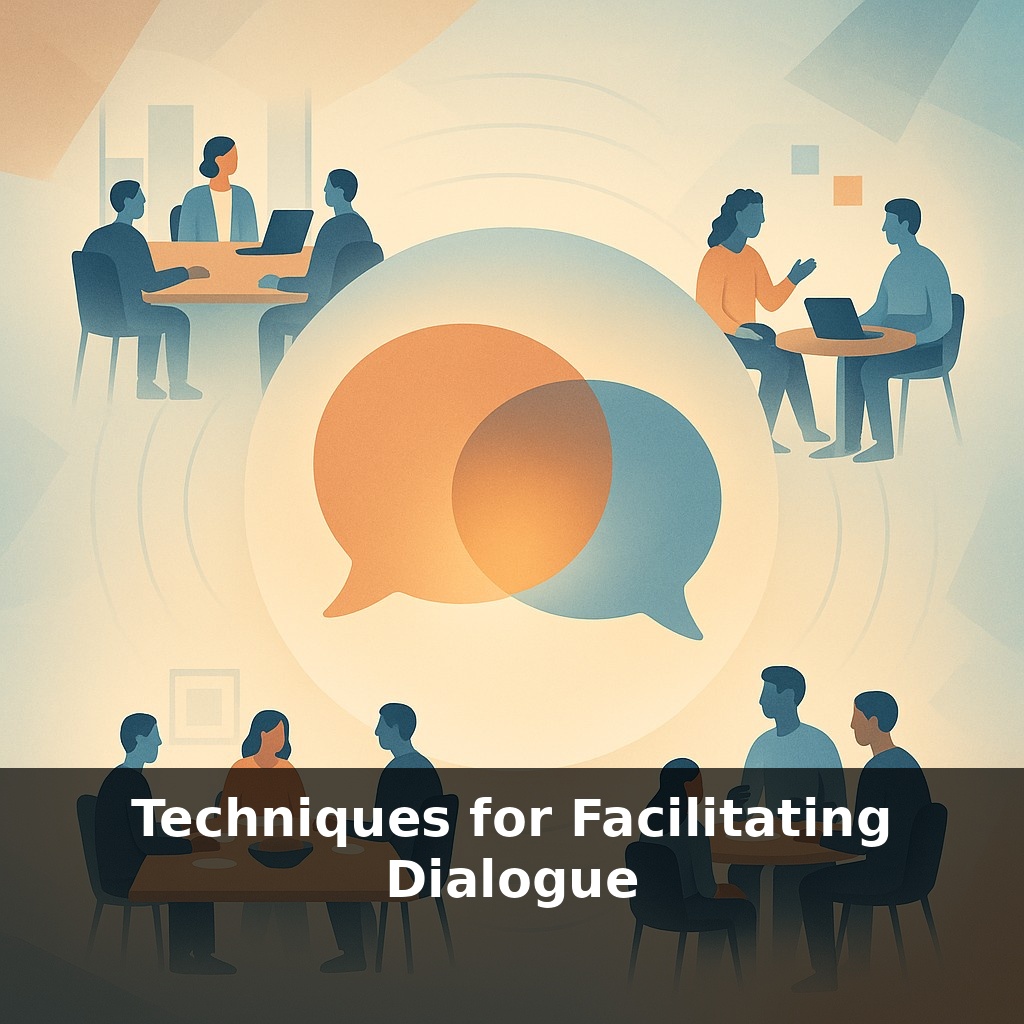
The difference in those rooms often isn’t the people or even the issues—it’s whether anyone knows how to *hold* the space. Research on mediation and dialogue shows that when someone intentionally shapes the conditions of a tough conversation, agreement becomes dramatically more likely. Not because they “fix” everyone, but because they quietly adjust four things in the background: how safe people feel to speak, how they’re actually listening, the structure that keeps things moving, and what happens when emotions and power spikes hit the table.
This isn’t reserved for professional mediators. Managers, parents, team leads, community organizers—anyone—can use the same toolkit. In this episode, we’ll break down those four pillars into practical moves you can use in your next heated meeting or awkward one‑on‑one, so tension becomes usable information instead of a dead end.
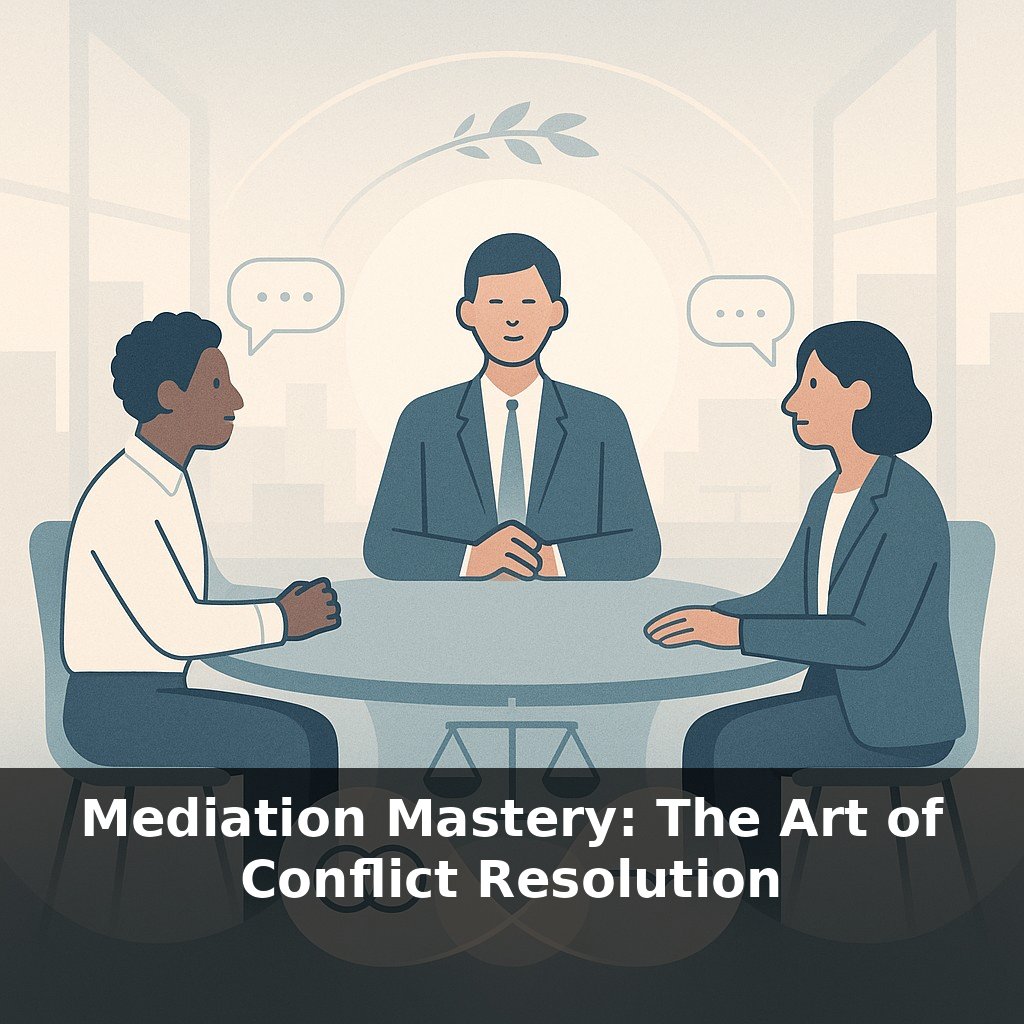
Research backs up how much this “background work” matters. In U.S. federal courts, nearly 8 out of 10 civil cases settle in mediation instead of going to trial. That’s not because people suddenly like each other—it’s because the process is designed differently. In everyday life, we rarely design our hard conversations at all; we just stumble into them.
Think about your last tense discussion at work or at home. Who chose the time, the format, the order of speaking? Usually, no one. In this series, we’ll treat those choices as levers you can pull on purpose, not details you leave to chance.
Start with the most underestimated move: **explicit ground rules.** They sound stiff, but data says otherwise—clear agreements about “how we talk” can cut interruptions in half in volatile groups. The key is to co‑create them, not announce them like classroom rules.
You might say: “Before we dive in, can we take two minutes to set a few guidelines so everyone gets a fair shot at being heard? Here’s a starter list—what would you add or change?” Typical starters: - One person speaks at a time - We describe our own experience; we don’t diagnose others’ motives - We aim to summarize before we disagree
When people help shape these, they’re far more likely to follow them—and to remind each other, so you don’t have to police the room.
Next, layer in **micro‑skills** that change the *felt* quality of the conversation. These are small, visible behaviors you can use even if no one else is on board yet: - **Active listening:** face the speaker, minimal verbal encouragers (“go on,” “say more”), no multitasking - **Paraphrasing:** “So what I’m hearing is that deadlines, not the project itself, are stressing you—did I get that right?” - **Reframing:** turn blame into impact. “You’re sabotaging this” becomes “You’re worried decisions are being made without you.”
These moves work even if you’re also a participant. Research shows that when just one person consistently paraphrases, others begin slowing down, clarifying, and softening their language in response.
Then, give the conversation a **simple scaffold** using a structure like three timed rounds: 1. **Story round:** each person explains what happened, uninterrupted 2. **Impact round:** each person shares how this is affecting them now 3. **Needs/next steps round:** each person names what would improve things
You don’t have to call this a “model” or reference any particular framework. You simply name the steps and timebox them. The structure keeps you from hovering endlessly on the same grievance or jumping straight to solutions before perspectives are clear.
Finally, anticipate that **emotion and power** will show up. Rather than treating that as failure, prepare light‑touch interventions: - Brief pauses: “Let’s take 30 seconds in silence and then I’ll check back in.” - Short side conversations: “Can I check in with you quickly outside for two minutes?” - Sentiment labeling: “I’m noticing a lot of frustration and some fear in the room—does that fit? What else is here?”
None of this requires a formal title or a neutral job description. You’re simply making the invisible “how we talk” visible—and adjustable—in real time.
A practical way to feel these skills is to watch where they already show up in your life. Think about a time you diffused a tense group chat by saying, “Okay, I hear three different concerns—A, B, and C. Did I miss anything?” That was paraphrasing plus light structuring. Or when you were in a 1:1 and said, “So, you’re not upset about the decision itself, you’re upset you heard about it last?”—you were reframing from accusation to impact.
You can also borrow from how some product teams run usability tests: one person speaks, others only ask clarifying questions, and someone captures themes on a whiteboard. Translate that to a family or team setting: one person tells their side, others reflect back key points before adding their own.
Notice too how a skilled coach handles a heated timeout. They don’t retell the whole game; they highlight one pattern, give a clear next play, and steady the tone. Your version might be: “Here’s what I’m seeing in this conversation, and here’s one thing we can try for the next 10 minutes.”
Seventy‑eight percent of federal civil cases that enter mediation never reach trial. The quiet implication: the real leverage isn’t in who’s “right,” but in who can reliably create better conversations under pressure. As AI begins flagging emotional spikes or biased patterns in real time—like a heads‑up display for group dynamics—human facilitators will shift from being referees to designers of healthier systems: teams, classrooms, even platforms that default to repair instead of escalation.
Treat this as a craft, not a personality trait. You don’t need to be “good with people” to get better at it; you need reps. Start with low‑stakes moments: a lukewarm meeting, a mild disagreement, a clumsy check‑in. Each is a practice arena, like scrimmages before a season. Over time, you’re not just avoiding blowups—you’re building a shared habit of repair.
Before next week, ask yourself: “In my next real conversation (team meeting, 1:1, or family discussion), what is one genuinely curious, open-ended question I can ask—like ‘What feels most important about this for you?’—and when exactly will I use it?” After that conversation, pause and ask: “Where did I jump in too quickly with a solution or opinion, and what might have emerged if I had held 10 more seconds of silence?” Finally, think about a tricky relationship or recurring tension and ask yourself: “If I used a simple dialogue move from the episode—like summarizing what I heard before responding or explicitly naming the shared purpose—how might that shift the tone of our next interaction?”