 2min preview
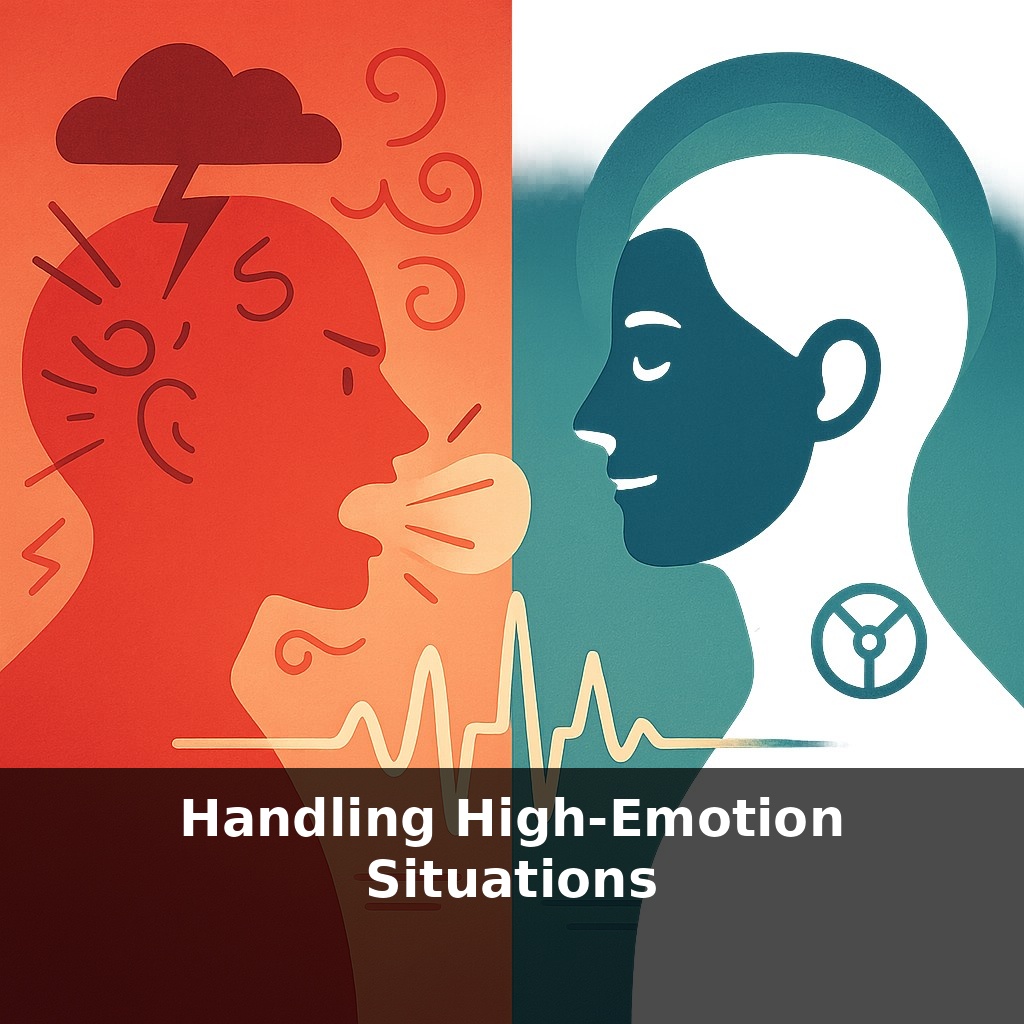
Handling High-Emotion Situations
📝 Transcript
A study from Leeds found that when we’re angry and speak just a bit faster than normal, people’s understanding drops sharply. So let’s drop into the middle of a heated argument—voices raised, hearts racing—and ask a strange question: who’s actually driving this conversation?
Most people assume that in high‑emotion moments, the loudest person has the power. In mediation, it’s almost the opposite: the person who can *notice* the emotional storm without getting swept away quietly takes the lead. This is where the neurobiology gets practical. When intensity spikes, your brain’s threat system jumps ahead of your reasoning system; if you charge in with logic, you’re talking to a locked door.
Skilled mediators don’t rush to “fix” the problem. They slow the tempo, signal safety with their body language and tone, and give emotions somewhere to land. Think of how noise‑cancelling headphones don’t fight every sound; they absorb and shape it. In conflict, that “noise‑cancelling” function is structured attention: short, intentional moves that help people feel heard enough that their thinking brain can come back online.
Subscribe to read the full transcript and listen to this episode
Subscribe to unlockSubscribe for $1.99/month to unlock the full episode.
From this course
Mediation Mastery: The Art of Conflict Resolution
8 episodesUnlock all episodes
Full access to 8 episodes and everything on OwlUp.
Subscribe — $1.99/monthLess than a coffee ☕ · Cancel anytime