One market structure can quietly cost the economy up to half a percent of everything we produce each year. You feel it when you buy wheat, and when you boot up your computer. In one case, no single seller matters. In the other, a single company calls nearly all the shots.
In this episode, we zoom in on two extremes that quietly shape how much you pay, how much choice you get, and how fast industries evolve: perfect competition and monopoly. The contrast isn’t just academic—it shows up in your breakfast, your software, and the size of your paycheck.
At one end, U.S. wheat farmers, nearly 2 million strong, each control only a sliver of the market. No single decision moves the needle, so prices closely track costs. At the other, think of a time when one dominant platform or supplier effectively set the rules for everyone else—developers, device makers, even governments.
We’ll explore how one structure squeezes inefficiency out of the system, while the other can lock it in; how they affect innovation; and why regulators sometimes break firms up, sometimes fine them, and sometimes look the other way.
Think of this as comparing two different kinds of scoreboards. In some markets, like basic grain or generic shipping services, prices move so closely with costs that a tiny technological improvement quickly shows up as lower prices or better deals. In others—like operating systems or rare resources—one firm’s choices ripple through wages, supplier contracts, and even which startups survive. We’ll dig into why one structure tends to maximize consumer surplus, why the other can shrink it, and how this shapes policy debates from antitrust trials to merger approvals.
Start with the rule each side plays by.
Under perfect competition, firms are “price takers.” That doesn’t just mean they’re small; it means they face a demand curve that’s effectively flat at the market price. If a wheat farmer tries to charge even slightly more than everyone else, buyers instantly switch to identical grain from countless rivals. The only way to survive is to push costs down and match the going price. Over time, entry and exit of firms adjust until only those covering all opportunity costs remain.
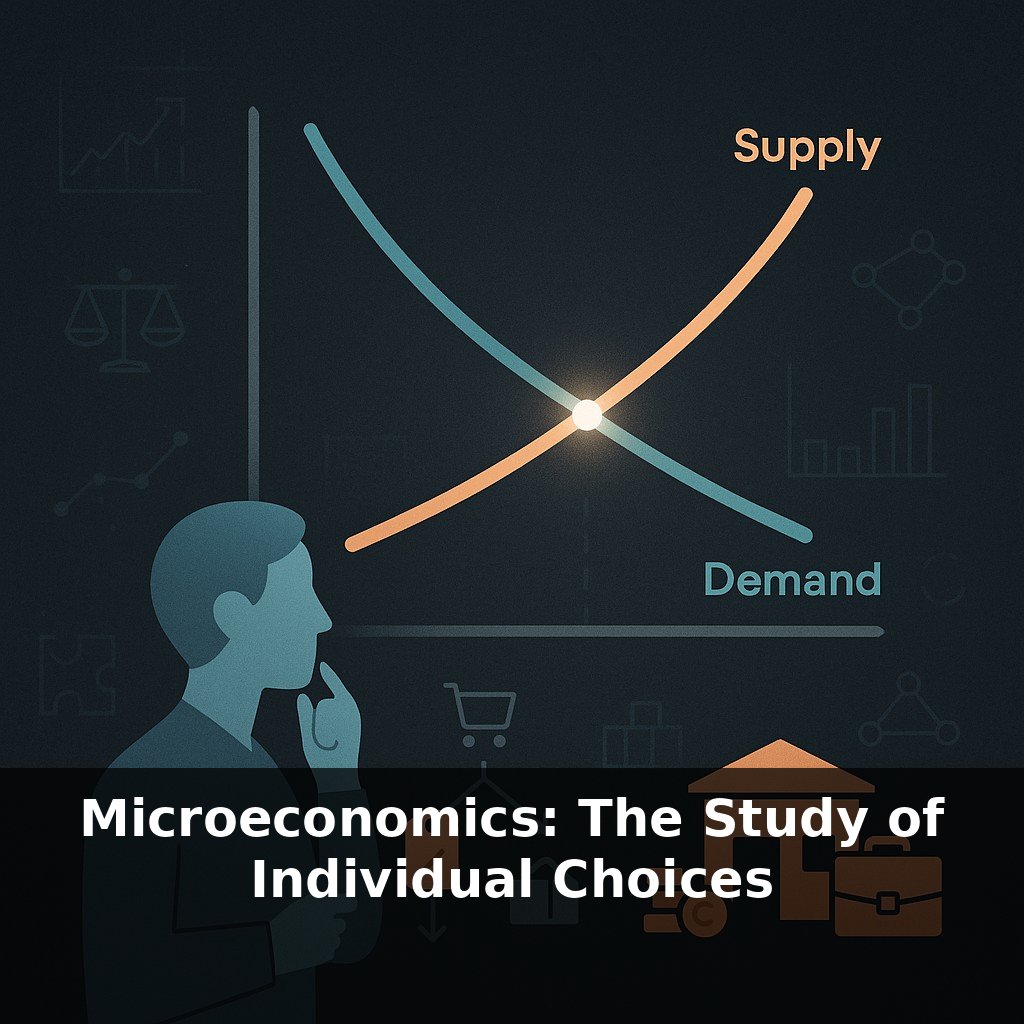
A monopolist faces the opposite situation: its own output decision moves the market price. The demand curve it sees slopes downward. To sell more, it must accept a lower price on all units. That creates the classic trade‑off: increase quantity and cut price, or restrict quantity and enjoy a higher markup. The key is that marginal revenue falls faster than price, so the firm chooses the quantity where marginal revenue equals marginal cost, then charges the highest price consumers will pay for that quantity.
This wedge between price and marginal cost is where deadweight loss shows up. Some buyers who value the product more than it costs to produce are blocked by the elevated price. Mankiw’s rough estimate that monopoly power may shave 0.1–0.5 % off U.S. GDP hints at how those small individual distortions add up across software, pharmaceuticals, telecom, and more. Verifying that range is an active empirical project, because real‑world markets blur neat textbook categories.
Real structures fall between the extremes. U.S. wheat comes close to the competitive benchmark: thousands of sellers, easy entry, standardized output. Historical De Beers, with tight grip on diamond supply and long‑term contracts, sat much closer to the monopoly end, deliberately managing releases of rough stones to influence global prices. Microsoft’s Windows era dominance created similar leverage on PC makers and developers, even though technically other operating systems existed.
Think of it like two very different kinds of software platforms: one open, where anyone can publish compatible apps and no single contributor can tilt the whole ecosystem; the other tightly controlled, where one gatekeeper decides which apps, terms, and prices go through. The rules in place determine who gets value, who is excluded, and how quickly the system adapts when technology or tastes change.
Here’s where the theory starts to touch everyday choices. Open your browser’s flight search. On many routes, you’ll see dozens of airlines and fare classes piled together, each scrambling to undercut the others by a few dollars. No carrier can nudge the price up much without losing customers to near‑identical seats. Now compare that with your monthly broadband bill in a neighborhood served by just one cable provider: the plan options, speeds, and fees all seem to move only when that firm decides they should.
These structures also shape how risk gets shared. When farmers face bad weather or shifting global demand, the pain is spread across thousands of producers and quickly reflected in futures markets. When a near‑sole supplier of a key input—for instance, a dominant chipmaker—hits a production snag, entire manufacturing chains can stall, and downstream firms scramble or pay steep premiums.
In sports terms, some markets resemble wide‑open tournaments with many evenly matched teams; others look more like a league where one franchise owns most of the star players and broadcasts.
Digital markets now test the edges of old categories. A platform controlling log‑ins, reviews, and payments can quietly tilt the field long before anyone calls it “dominant.” Data moats, network effects, and default settings steer users the way a subtle referee call can swing a game. As green tech and AI scale, the real question shifts: not just “who has power?” but “what guardrails keep that power from quietly hardening into permanence?”
Your challenge this week: map one service you use daily. Note who controls your access, data, and switching options. Then ask: over the next 10 years, is this more likely to drift toward many small rivals—or one entrenched gatekeeper?
Where you land on that spectrum shapes careers too: competitive fields feel like marathons where pacing and endurance matter; concentrated ones resemble chess, where positioning and timing dominate. As new tech platforms emerge, learning to read these patterns is less about memorizing diagrams and more about spotting who quietly writes tomorrow’s rules.
Here’s your challenge this week: Pick one everyday market you use (like your internet provider, local coffee options, or ride-hailing apps) and classify it as closer to perfect competition or monopoly, using at least three traits from the episode (number of sellers, price-setting power, product differentiation, and barriers to entry). Then, find one real price or feature change from the past year in that market (e.g., a price hike from your ISP or a new competitor opening nearby) and explain in 3–4 bullet points how the market structure helped cause that change. Finally, write a one-sentence “policy pitch” you’d make to your city or regulator either to increase competition or to accept the existing monopoly and focus on regulation instead.