 2min preview
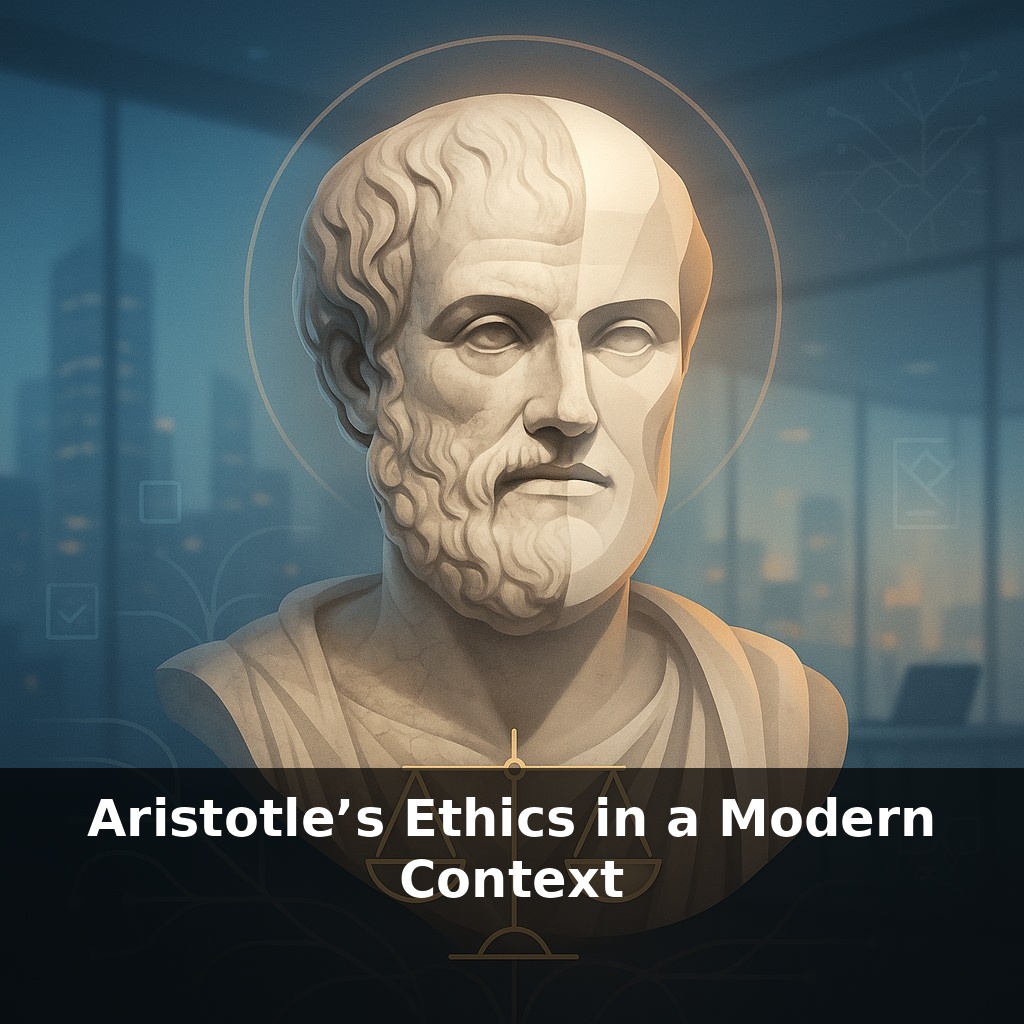
Aristotle’s Ethics in a Modern Context
📝 Transcript
Aristotle once claimed we become just by doing just actions. Now jump to a modern boardroom, a hospital, or an AI lab: no clear rules, high stakes, people under pressure. In those moments, the real question quietly shifts from “What’s allowed?” to “Who am I choosing to be?”
Aristotle steps into the modern world at the point where our checklists, codes of conduct, and compliance trainings run out. Policies can say “don’t lie on reports,” but they can’t script how a manager handles bad news with honesty and courage in front of a tense team or skeptical investors. That gap between written rules and lived decisions is where character quietly does the heavy lifting. In ethics today, we often debate which rules to follow or which outcomes to maximize. Aristotle pushes a different question into the meeting: which traits are you rehearsing with this choice—cowardice or courage, vanity or proper ambition, flattery or genuine respect? Contemporary research on character strengths and human flourishing suggests this isn’t ancient moral poetry; it’s measurable, practical, and oddly predictive of who thrives in complex modern systems.
Instead of handing us a rulebook, Aristotle hands us a training plan. He talks about phronesis—practical wisdom—as the capacity to read a messy situation and still steer toward what’s genuinely worth doing. That matters in places Aristotle never dreamed of: algorithm design meetings, ESG debates, whistleblower hotlines, remote-first teams. Modern psychology quietly backs him up: longitudinal studies now link habits of honesty, patience, and fairness with better health, stronger relationships, even resilience after layoffs or public failure. The surprising twist is that “being good” keeps showing up as a performance advantage, not just a moral luxury.
Subscribe to read the full transcript and listen to this episode
Subscribe to unlockSubscribe for $1.99/month to unlock the full episode.
Unlock all episodes
Full access to 5 episodes and everything on OwlUp.
Subscribe — $1.99/monthLess than a coffee ☕ · Cancel anytime