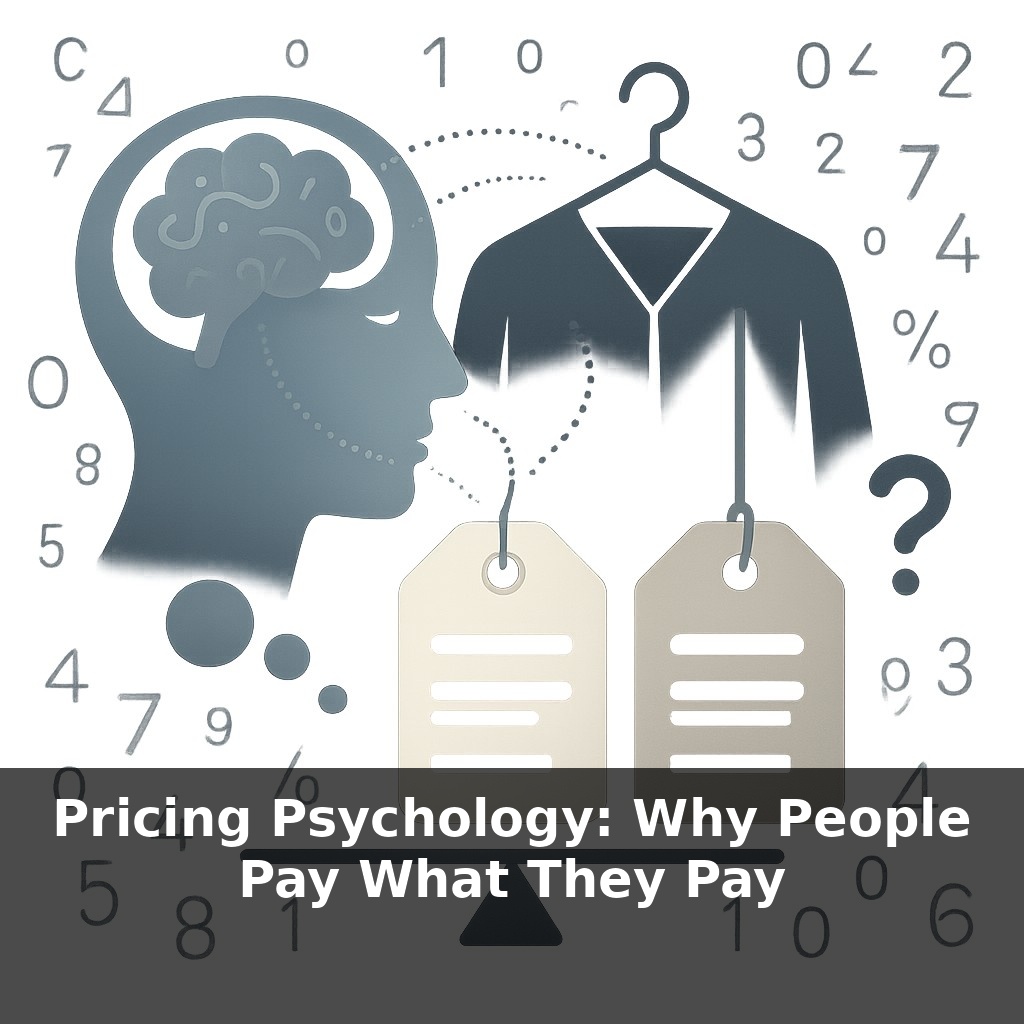
Pricing Psychology: Why People Pay What They Pay
📝 Transcript
A store runs a tiny test: two jackets, nearly identical, tagged at 108 and 109 dollars. Shoppers suddenly *switch* which one they prefer—just because a single digit on the left changed. In this episode, we’ll explore why your brain treats prices like this… and never tells you.
That tiny tug you feel between “this seems fair” and “no way I’m paying that” isn’t random—it’s your brain running a silent negotiation with the number on the tag. In real life, though, you’re almost never looking at that number alone. You’re comparing it with the “normal” price you saw last week, the cheaper option right beside it, the review that said it was “totally worth it,” and the little clock telling you the deal ends in 10 minutes.
In other words, pricing is less like arithmetic and more like cooking under pressure: your brain is constantly tasting, adjusting, and compromising with whatever ingredients the seller puts in front of you. In this episode, we’ll zoom in on those ingredients—anchors, decoys, bundles, scarcity, and upgrades—and see how they quietly steer what feels like a “good deal,” even when the math barely changes.
Those “ingredients” don’t just live in luxury showrooms or shady infomercials—they’re baked into the routines you barely notice: tapping “confirm ride,” agreeing to a software upgrade, or picking a meal delivery plan. A tiny change in the menu layout, the “most popular” tag, or the way shipping is split across items can nudge you toward spending more while feeling *smarter* about it. Think of apps that auto‑select a middle tier, restaurants that slip in a high‑priced dish, or retailers that show “only 3 left” online. Each move quietly rewrites what your brain calls “reasonable.”
When MIT and University of Chicago researchers swapped a $112 tag for $109, nothing *real* changed about the jacket—yet 28 percentage points of shoppers changed sides. What moved wasn’t the cost; it was the story their brain told about the cost.
That “story” is stitched together from a few powerful threads.
First, left‑digit bias. Your brain reads price tags like headlines, not essays. The first digit sets the tone, so 109 “feels” like it lives in a different neighborhood than 112, even though they’re close. That’s one reason charm pricing ($4.99, $9.97) keeps surviving every “this must be outdated” prediction. A 2021 meta‑analysis of dozens of studies found small but reliable bumps in conversions when that left digit ticks down—enough to matter at scale for supermarkets, SaaS plans, and airline tickets.
Second, relative trade‑offs. Dan Ariely’s Economist subscription test is a classic: adding a “useless” middle option (print‑only at the same price as print+web) suddenly made the combo look like a steal. People weren’t hunting for the absolute best value; they were trying not to feel dumb. The decoy gave them a clear “smart” choice.
Third, social cues. A “Most popular” badge, 10,000 reviews, or “Chosen by professionals” label subtly says, “Relax, others already did the homework.” That’s why you’ll see mid‑tier software plans or streaming bundles wearing that badge—they’re not just options; they’re *reassurance*.
Then there’s movement over time. Dynamic systems like Uber’s surge don’t just update numbers; they test the edge of what feels fair. In New York on New Year’s Eve, higher prices pulled 70 % more drivers onto the road, but when multipliers climbed past ~2.8×, riders flipped from “makes sense” to “they’re exploiting me.” The same math that balances supply and demand can trigger moral outrage once it crosses an invisible fairness line.
You can see similar patterns in hotel rates that spike during festivals, airline prices that jump around your search history, or game items that get cheaper as a season ends. The mechanics differ, but the pattern is consistent: shift the context, and you shift the comfort zone.
Your challenge this week: pick one thing you sell—or regularly buy—and run a small, *controlled* pricing experiment. For sellers: change only one element (left digit, decoy tier, “most popular” label, or timing) for a subset of customers and track not just sales, but complaints and refunds. For buyers: when you face a price that feels “too high” or “shockingly good,” pause and write down what you’re comparing it to, who you think is watching (friends, reviews, “most people”), and whether it would feel different if the number changed only on the left side. At the end of the week, look for where your feelings moved more than the math did.
Think about a storm forecast: the same rainfall feels harmless or scary depending on whether it’s labeled “light showers” or “severe weather alert.” A similar shift happens when a hotel lists “from $149/night” but shows most dates at $189—the low anchor lingers, even if you never see that cheaper night. Or take a streaming platform that quietly rearranges its plans so the priciest tier sits next to a “limited” basic option; suddenly, the middle tier feels like shelter from missing out.
Grocery apps do this too: a “family value pack” of snacks sits beside single items priced just high enough that the bundle feels like protection against overspending, even if you toss half of it later. In medicine, a “standard” test at $80 can make a $220 “comprehensive panel” seem like prudent prevention rather than a splurge, especially when framed as “recommended for people like you.” Across these cases, the number on the tag doesn’t move nearly as much as the story about what kind of decision you’re making—careless, cautious, or cleverly in control.
As algorithms learn your habits, two shoppers staring at the “same” product may quietly see different offers—like neighbors getting different weather alerts from hyper‑local forecasts. Location, device type, and even how long you hover can tweak what you’re shown and when. Expect more “just‑for‑you” discounts, stricter rules on how they’re disclosed, and new etiquette: savvy buyers comparing screens, using tools that flag odd patterns, and treating prices as dynamic, not final.
So the next time a number flashes on a screen, treat it like a draft, not a verdict. Ask: “Who benefits if I say yes *right now*?” Notice timing tricks, loyalty perks, and personalized “nudges” that only appear after you hesitate—like spices added at the table, not in the kitchen. The more you can see these layers, the more you can choose when to play along.
Before next week, ask yourself: 1) “Looking at one product or service I offer right now, what price would make a customer think ‘this is suspiciously cheap,’ what price would feel ‘reassuringly premium,’ and what does that gap tell me about where my current price actually sits in their mind?” 2) “If I re-framed my price using one of the episode’s tactics (like anchoring against a higher-priced option, bundling, or changing from a single fee to a monthly), which specific change could I test this week on my website, proposal, or sales page—and how would I measure if people react differently?” 3) “Where am I unintentionally signaling ‘low value’ (e.g., plain checkout page, weak guarantee, no contrast option), and what is one concrete tweak I can make today to better match the price I’m asking with the psychological cues I’m giving?”
From this course
Price It Right: Charge What You're Worth
7 episodesUnlock all episodes
Full access to 7 episodes and everything on OwlUp.
Subscribe — $1.99/monthLess than a coffee ☕ · Cancel anytime