About half of what you do at work today is driven by habits you don’t even notice. Now, drop into this moment: you log into a new role, same laptop, same living room. Your title changed overnight—but your behavior hasn’t. Which self are your coworkers actually meeting?
66 days. That’s the average time it takes for a new behavior to run on “autopilot.” Now line that up with a career pivot: you accept the offer on Monday, update LinkedIn by Friday—and for the next two months, your brain is still reaching for the old scripts. This is where embodiment comes in: it’s the daily, physical proof of the identity you’ve chosen.
Think of those first weeks in a new role like moving into a house that still smells like the previous owners’ cooking. The layout is yours, but the traces of someone else’s life linger. Your calendar still reflects old priorities, your inbox still pulls you into past patterns, your posture in meetings still signals your former level.
Embodiment is the quiet, repeated choice to align these micro-signals with who you’re becoming, not who you were.
Here’s the twist: identity doesn’t “click” the day you get the new role. It seeps in through dozens of tiny, almost boring choices. Neuroscience gives this a practical edge: your brain tags anything emotional, repeated, and context-specific as “important” and starts wiring around it. That means the way you enter your first call of the day, the questions you ask when projects are vague, even how you close your laptop at night—all of it is teaching your nervous system who you are now. Over weeks, these repeated cues stop feeling like effort and start feeling like “just how I operate.”
Here’s where this gets practical: most people try to live a new professional identity only in high‑stakes moments—presentations, performance reviews, interviews. But your brain is updating the story of “who you are” in the boring spaces in between.
Think in layers, not leaps.
At the surface are your visible behaviors: how you enter a meeting, what you speak up about, what you delegate, how you respond when things go sideways. Below that sits your “default question”—the thing your mind quietly asks first in any situation. Senior engineers might default to, “How does this scale?” Product leaders often ask, “What problem is this solving?” People managers lean toward, “How will this land with the team?” Shift the question and the behavior starts to follow.
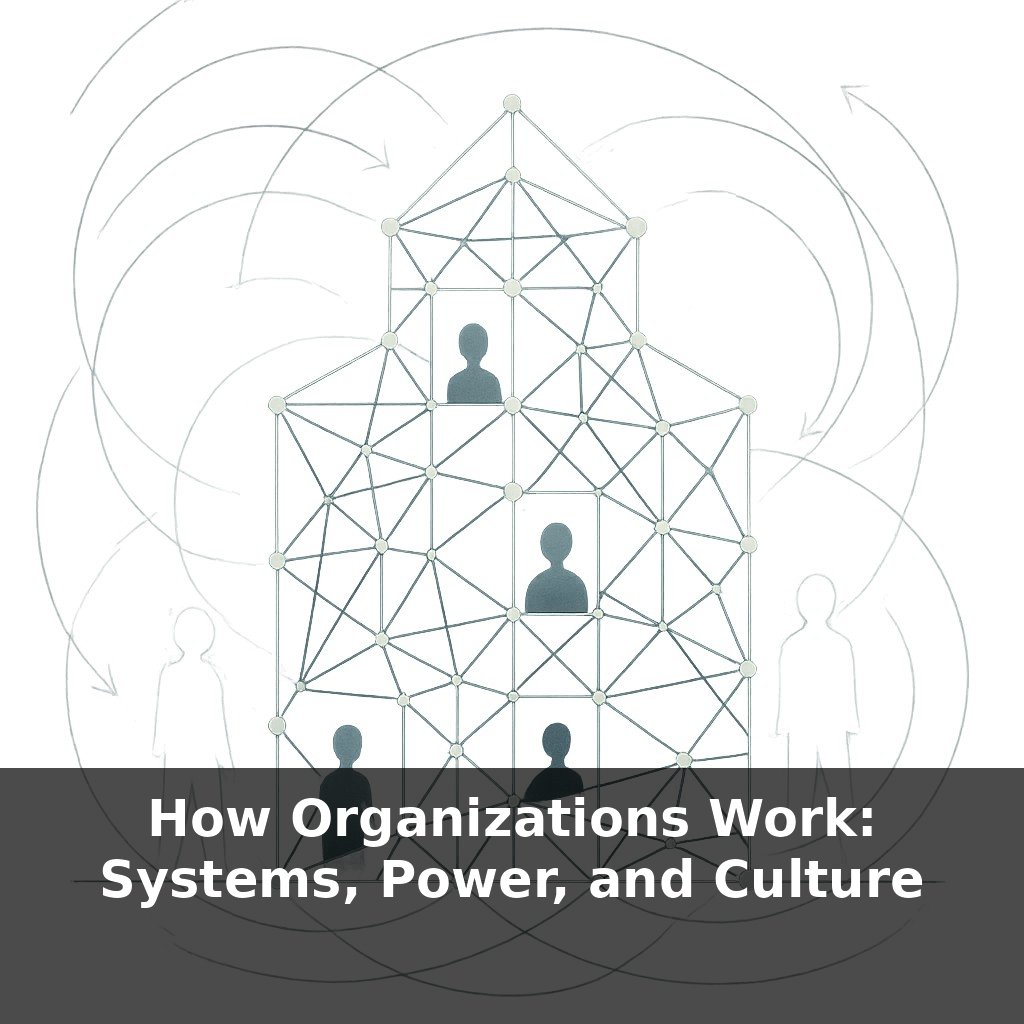
Then there’s environment: the screens, tools, and people around you that silently vote for your old or new self. A calendar crammed with legacy tasks will drag you backward, no matter how many times you tell yourself you’re now “strategic.” A Slack sidebar full of old channels keeps you emotionally anchored to a role you’ve technically left.
This is why affirmations alone stall out. Saying “I’m a founder now” and then spending your prime morning hours in your old IC ticket queue creates cognitive whiplash. Your actions are feeding your brain better data than your words.
Research on role identification helps here: when people strongly see themselves in a role, they’re not just more loyal; they make different tradeoffs. A manager who truly sees themselves as a coach will let a 30‑minute 1:1 run long to unblock someone, even if it means a later night. The identity quietly reshapes their sense of what’s “worth it.”
One useful framing: treat your new role like a medical prescription. It’s specific (dose), regular (frequency), and tied to context (with food, before bed). “Act like a head of product” is vague. “Twice a day, ask: what outcome are we optimizing for?” is a dose you can actually take.
Over time, these tiny, repeated “doses” of behavior stop feeling like trying and start feeling like truth.
Think of someone moving from “reliable team contributor” to “visible problem solver.” They don’t announce it in a meeting; they quietly start doing three specific things: they come to standups with one clear risk flagged, they post a short weekly summary in a public channel, and they book a 15‑minute slot each Friday to propose one improvement to their manager. No speech, just steady behavioral proof.
Or a new manager who still feels like “one of the team.” Instead of trying to “act managerial,” they change two routines: they stop being first to volunteer for extra tasks, and they start being first to ask, “Who wants to own this?” At the end of each day, they review their calendar and color‑code anything that was coaching versus doing. Over a few weeks, the colors start to shift.
Your version might be quieter: turning camera on for key calls, speaking first once a day, or sending a pre‑read when you used to “wing it.” The power isn’t in the drama; it’s in the repeated, observable trail you leave behind.
Future implications
As roles blur and tools evolve hourly, the people who advance won’t just “know more”; they’ll shift who they are at work, faster and more often. Companies may start treating role transitions like athletic seasons—short, intense cycles of practice, feedback, and recovery. VR could let you rehearse tough conversations safely, while wearables flag when your old patterns spike under stress. In the long run, the ability to inhabit new roles on demand may matter more than any single job title you hold.
You don’t have to wait to “feel ready” before you live this new chapter. Often, the feeling trails the evidence you’ve already started to create. Think less like declaring a destination and more like learning a local street: walk it enough times, in different weather and at different speeds, and one day you notice—you’re no longer checking the map.
To go deeper, here are 3 next steps: (1) Print or recreate the “Future Self Script” style practice from Dr. Joe Dispenza’s *Breaking the Habit of Being Yourself* and record yourself reading it as if your new identity is already real—then listen to it on a loop during a 10-minute walk today, matching your posture and pace to that version of you. (2) Use the free “Embodiment Toolkit” from The Embodiment Podcast (or similar somatic resources on YouTube like Philip Shepherd or Tara Brach’s “Coming Home to the Body” meditations) and spend 5 minutes trying one specific practice—like walking across your living room as your “old self,” then as your “new self,” exaggerating the difference in breath, gaze, and shoulder position. (3) Open your calendar app and block a recurring 3-minute “Identity Reboot” alarm twice a day; when it goes off, stand up, place your hand on your chest, and read one sentence from James Clear’s *Atomic Habits* “Identity-Based Habits” chapter, then immediately do one aligned micro-habit you’ve pre-decided (e.g., one email sent as the confident founder, one outreach as the loving partner, one rep as the athletic you).