About half of what you save in your notes app will never be seen again. A spark of insight on a walk, a screenshot at midnight, a voice memo in the car—each one vanishes into a digital attic. Yet the right tools can quietly turn that attic into a working studio.
Notion is worth over $10 billion, Obsidian’s fanbase defends plain-text Markdown like it’s a human right, and Roam users happily live inside a web of brackets and backlinks. The tools look wildly different, yet people use all of them to do the same thing: keep their future self from starting at zero.
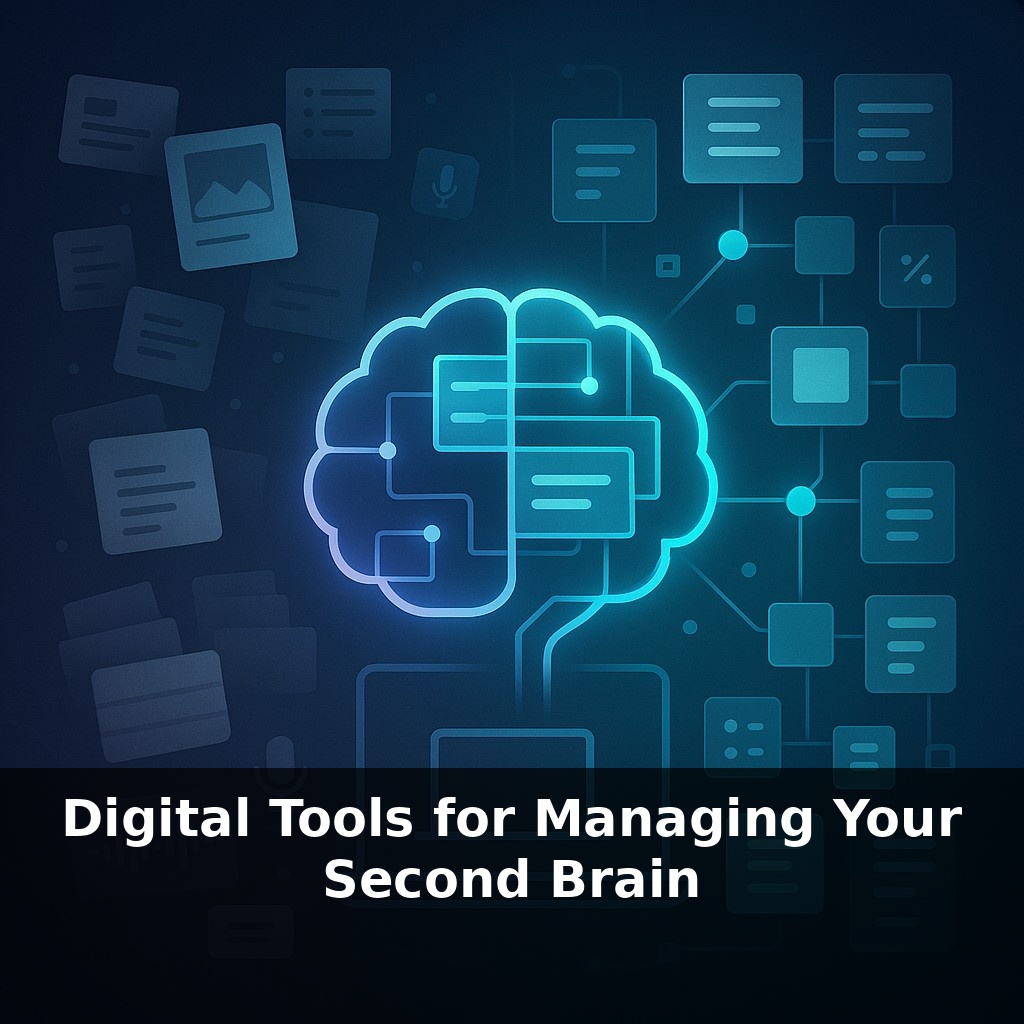
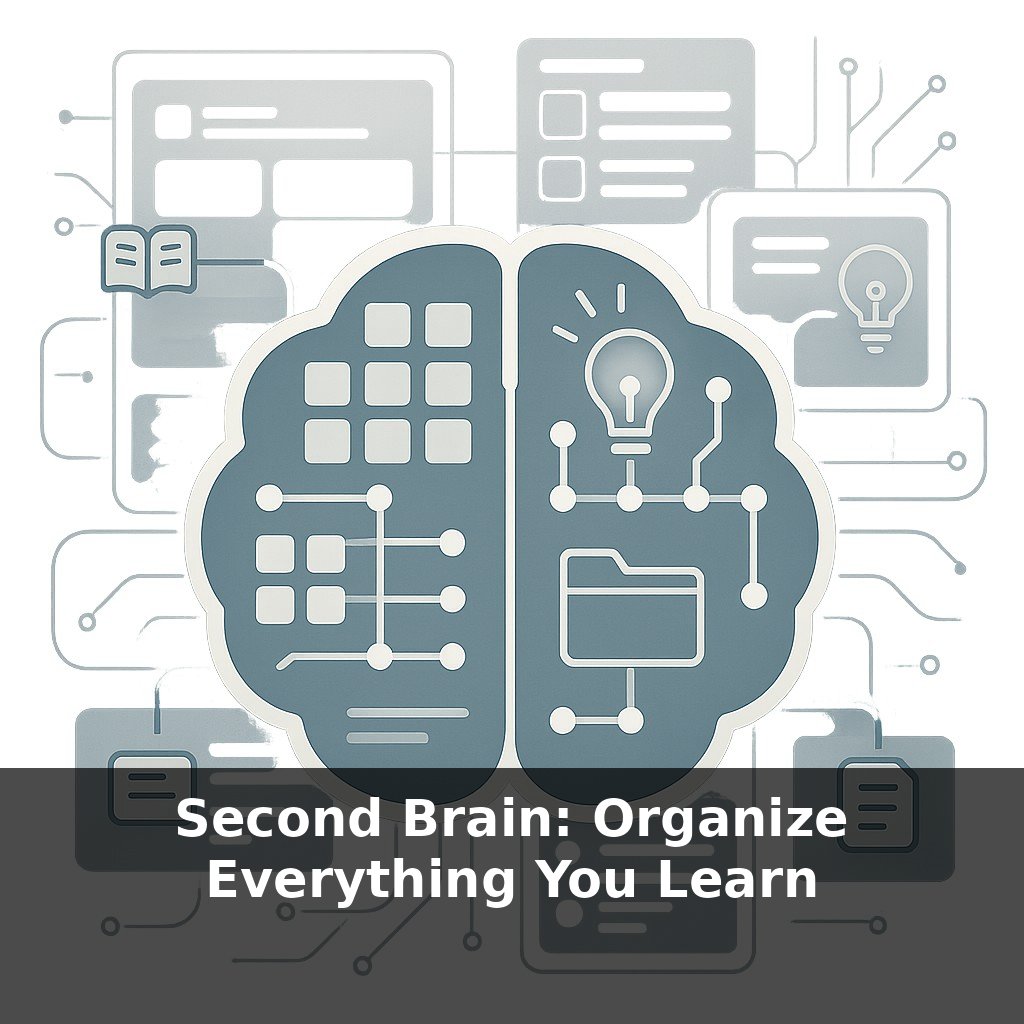
The mistake isn’t choosing the “wrong” app; it’s acting as if one tool can do everything well. A solid Second Brain quietly runs on three layers: fast capture for ideas in motion, a thinking space where those fragments connect, and a clear runway where they turn into tasks and projects you’ll actually finish.
The real magic comes from how these layers talk to each other—APIs, Markdown, backlinks, and AI that nudges related ideas together—so you’re building one system, not three separate silos. In this episode, we’ll design that stack to fit how you already think and work.
Most people pick tools the way they pick pens: whatever’s nearby, whatever “feels nice,” and then wonder why nothing fits together. But your stack isn’t just software; it’s the choreography of how ideas move from “huh, interesting” to “shipped.” The key question isn’t “Is Notion better than Obsidian?”—it’s “Where does this thought go next, and how hard is it to move?” Think less about features, more about handoffs: from your phone on the subway, to your laptop at work, to a team space or solo project plan. When those handoffs are smooth, even messy notes start behaving like drafts, prototypes, and decisions.
Notion has over 35 million registered users, yet the happiest power users quietly rely on *other* apps around it. That’s the real pattern: strong systems are built from a small stack of tools that each do one job extremely well, then hand off cleanly to the next.
Layer one is capture. Here, speed beats beauty every time. You want whatever lets you grab ideas with the least friction on every device: Apple Notes or Google Keep for quick jots, Drafts for text-first capture, Readwise or Matter for saving highlights, your task manager’s quick-add for “do this later.” The question to ask: “Can I capture something in under five seconds?” If not, it’s too heavy for this layer.
Layer two is your knowledge base—the place where fragments become understanding. Apps like Obsidian, Logseq, or Roam shine here because they turn isolated notes into living networks. Obsidian’s local Markdown vault means your files stay portable; Roam’s graph built on Datascript lets you refactor links across thousands of notes instantly. This is where linking, resurfacing, and synthesis happen, but it only works if capture flows in easily via imports, browser extensions, or highlighting tools.
Layer three is execution: tasks and projects. Todoist, Things, TickTick, or Asana aren’t note tools—and that’s the point. They excel at due dates, priorities, and commitments. Todoist’s Karma data show that a weekly review routine leads to 40% more completed tasks, which says more about rhythm than features. Asana’s templates cut planning time by 45% in their own study because repeatable structure beats heroic willpower.
Interoperability is the glue. Does your reading app export to your knowledge base in Markdown? Can your project manager link back to project briefs instead of duplicating them? When your tools talk, your system starts to feel less like juggling and more like running coordinated plays on a court: clear roles, clean passes, and far fewer dropped balls.
A designer prototyping in Figma might sketch three tool “personas” on a whiteboard: the sprinter, the strategist, and the foreman. Your capture app is the sprinter—short bursts, no baggage, drops the baton as quickly as possible into your knowledge layer. The strategist (Obsidian, Logseq, etc.) redraws the play: clusters related ideas, names patterns, and drafts outlines for future work. The foreman (Todoist, Asana, Things) doesn’t care how clever the idea is; it only asks, “Who’s doing what, by when?”
Watch how real teams work: a startup founder slacks herself a quick thought (sprinter), turns it into a product spec in her database (strategist), then spins off launch tasks in a project board (foreman). Or a student highlights a paper, syncs those highlights into a topic hub, then creates exam prep checklists from the key themes.
When these personas are distinct—but in constant conversation—you stop forcing one app to pretend it’s good at everything and start letting each tool play its natural position.
Todoist’s own numbers hint at what’s coming: once your tools can see your patterns, they’ll start quietly coaching you. Soon, vector search will notice you overcommitting on Tuesdays or abandoning a certain type of project and surface that like a fitness tracker flagging strain. Your personal graph may even negotiate with team tools—auto-updating project risks, suggesting handoffs, or re-scoping work—so your system becomes less a filing cabinet and more a collaborative editor.
Treat your stack like a living city plan, not a monument. Streets (workflows) will shift as new buildings (apps) appear and old ones close. The real skill isn’t loyalty to a platform; it’s noticing friction, then redesigning routes. Your challenge this week: swap one tiny habit—where you capture, connect, or execute—and watch what unexpectedly gets easier.