The Gladiator's Oath
📝 Transcript
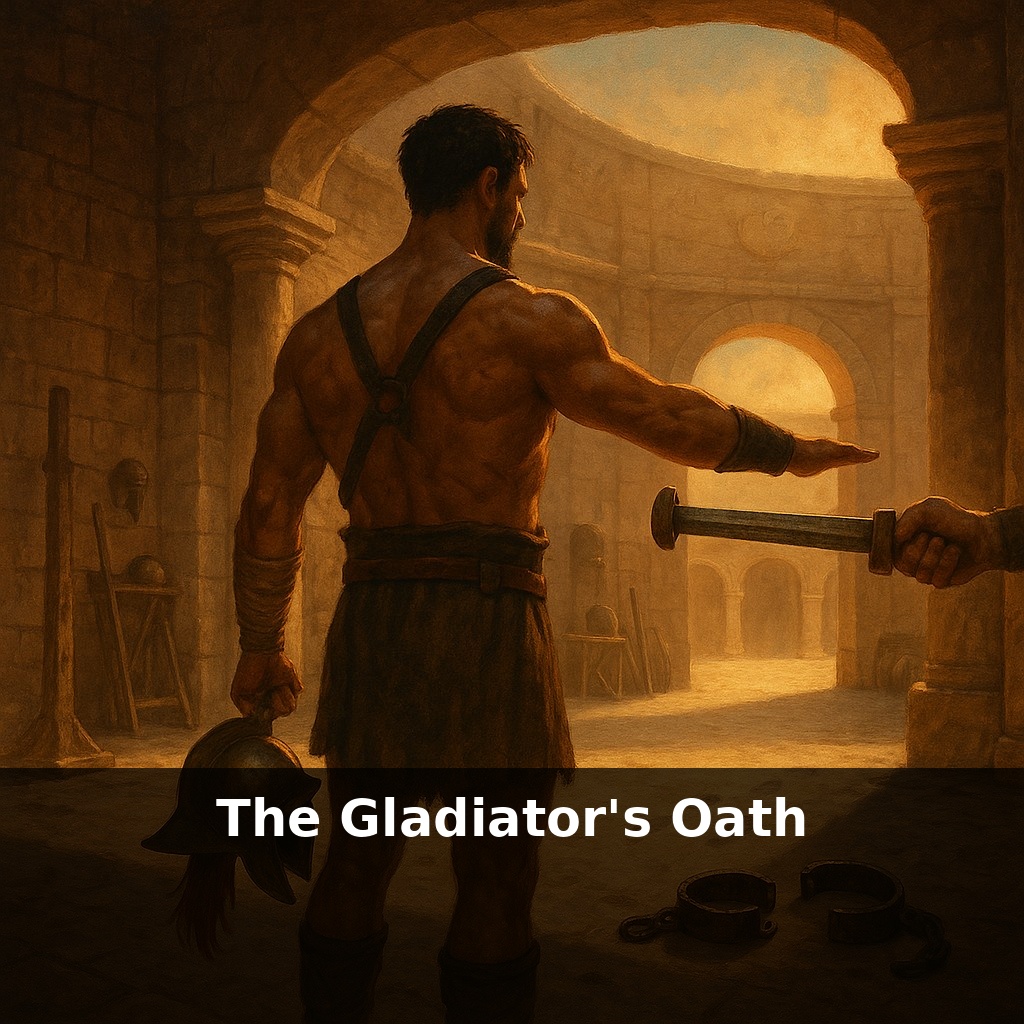
“Burned, bound, beaten, and killed by the sword.” That’s the promise Roman gladiators spoke aloud—*and* agreed to. Tonight, step inside a courtyard where free citizens line up to swear this oath, trading ordinary lives for a contract written on their own bodies.
Not everyone who spoke those brutal words did so with chains on their wrists. Some walked into the training yard willingly: debts piling up, reputations shattered, or hungry for a glory they could never touch in a quiet, anonymous life. In a world where status was everything, stepping into the arena could feel less like a fall and more like a radical reset—like wiping a corrupted hard drive to install a new operating system, knowing the process itself might destroy the machine.
The crowd saw only the spectacle, but behind the scenes recruiters weighed each candidate: age, scars, fighting experience, even how well they could project fearlessness. Senators might secretly stake money on a promising newcomer, treating human bodies as high-risk, high-return investments. And once accepted, these men crossed an invisible line: every choice, every bruise, would now be measured against the words they’d just spoken.
In that courtyard, the words weren’t just heard—they were recorded. Not on paper, but in ledgers, legal formulas, and the silent calculations of everyone watching. Roman law wrapped itself around the oath, turning a person into an entry on a balance sheet. A magistrate might see one thing: a line of assets whose injuries, training, and potential payouts could be tracked like the columns of a spreadsheet. The priests saw another layer: a vow that tied bloodshed to divine order, as if every dropped shield or raised sword had to answer to the gods as well as the editor paying the bills.
main_explanation:
Seneca gives us the most famous wording of the oath in a moral essay, almost as a throwaway example. That casual mention tells us something crucial: his readers already knew the formula. You didn’t have to explain “to be burned, bound, beaten, and killed by the sword” to a Roman any more than you’d have to gloss “terms and conditions apply” today; everyone recognized the script and the danger buried inside it.
The person speaking it might be a condemned criminal with no bargaining power—or a free citizen, the *auctoratus*, trying to squeeze value from his own skin. Those volunteers negotiated: length of service, advance pay, maybe a clause about lighter equipment or a particular fighting style. Somewhere in a back office of the *ludus*, a *lanista* and a clerk turned that spoken promise into numbers: how much this body was worth per year, how many appearances would repay the signing bonus, what kind of medical care was economical. The oath was the audible tip of a financial iceberg.
Once sworn, discipline in the training school enforced its seriousness. Fleeing practice, faking illness, or refusing to enter the arena all counted as violations, not just of house rules, but of sworn obligation. Punishments could escalate from extra drills and reduced rations to chains, the scourge, or being thrown into a lethal spectacle with no armor at all. In the worst cases—especially for those who’d entered freely—breaking faith could be treated as perjury, an offense that shaded into sacrilege.
Yet the oath did more than threaten; it framed risk as a path to reward. Surviving multiple combats, performing bravely, or pleasing an influential patron opened doors: better living quarters, shares in prize money, the right to wear distinctive gear, and, at the far horizon, the symbolic wooden sword that marked formal release. Modern estimates that a significant slice of fighters walked into the courtyard by choice force us to rethink the scene: not just a line of victims, but a line of gamblers, each staking years of life on the odds that skill, charisma, and luck would beat the mathematical expectation of an early grave.
At the same time, the crowd heard that same formula and drew a different lesson. If even a free man had vowed to accept fire, chains, blows and steel, then his suffering looked less like cruelty and more like a debt being paid. The oath didn’t only bind the fighter; it reassured spectators that what they were about to enjoy had been, somehow, consented to.
A Roman watching that courtyard might not think in terms of “rights” at all, but in terms of performance and reliability. A promising fighter was treated less like a person changing careers and more like a custom-built piece of tech: expensive to develop, constantly monitored, and expected to deliver under stress. Training notes, medical reports, and performance anecdotes functioned like diagnostic logs, shaping where a man would be placed on the program—from opening warm‑up bouts to climactic duels scheduled for festival days.
Behind the scenes, social calculations ran just as cold. An *auctoratus* from a respectable background risked the disgust of relatives, but could also tap into quiet patronage: a cousin in the city guard, a creditor willing to restructure debts if his “asset” stayed alive through three shows. A clever trainer might exploit this, pairing such men with crowd‑pleasers whose flair could rub off, the way a savvy coach builds a rookie’s confidence by placing him next to a seasoned star rather than throwing him alone into a hostile away game.
As archaeologists map more gladiator graves and epigraphers decode fragmentary tablets, we may find oaths adjusted like software patches: tweaked penalties, bonuses, or escape clauses that reveal local fears and priorities. Comparative ethicists already mine this material to probe how audiences accept violence when it’s routed through ritual. Their findings could ripple outward, shaping debates on concussion protocols, combat sports, and how far “consent” can legitimize risk in modern arenas.
The next puzzle sits in the gaps: scraps of graffiti praising a favorite fighter, a scratched‑in schedule on an amphitheater wall, a tombstone where a name is half‑erased. They’re like backstage notes on a theater blueprint, hinting at how real people bent a rigid script. Follow those marginal traces, and the oath stops being abstract and starts leaving fingerprints.
Try this experiment: For the next 24 hours, silently repeat a “Gladiator’s Oath” to yourself before any challenging task, using this exact line: “I choose this struggle, and I will meet it with courage, discipline, and honor.” Pick three moments today that feel hard (a tough work call, a workout, a difficult conversation) and, right before each one, pause for 10 seconds, stand tall, and say the oath in your head. After each moment, quickly rate from 1–10 how much courage and focus you felt compared to how you expected to feel. By tonight, look at your three sets of scores and notice whether invoking the oath actually shifted how you showed up under pressure.
From this course
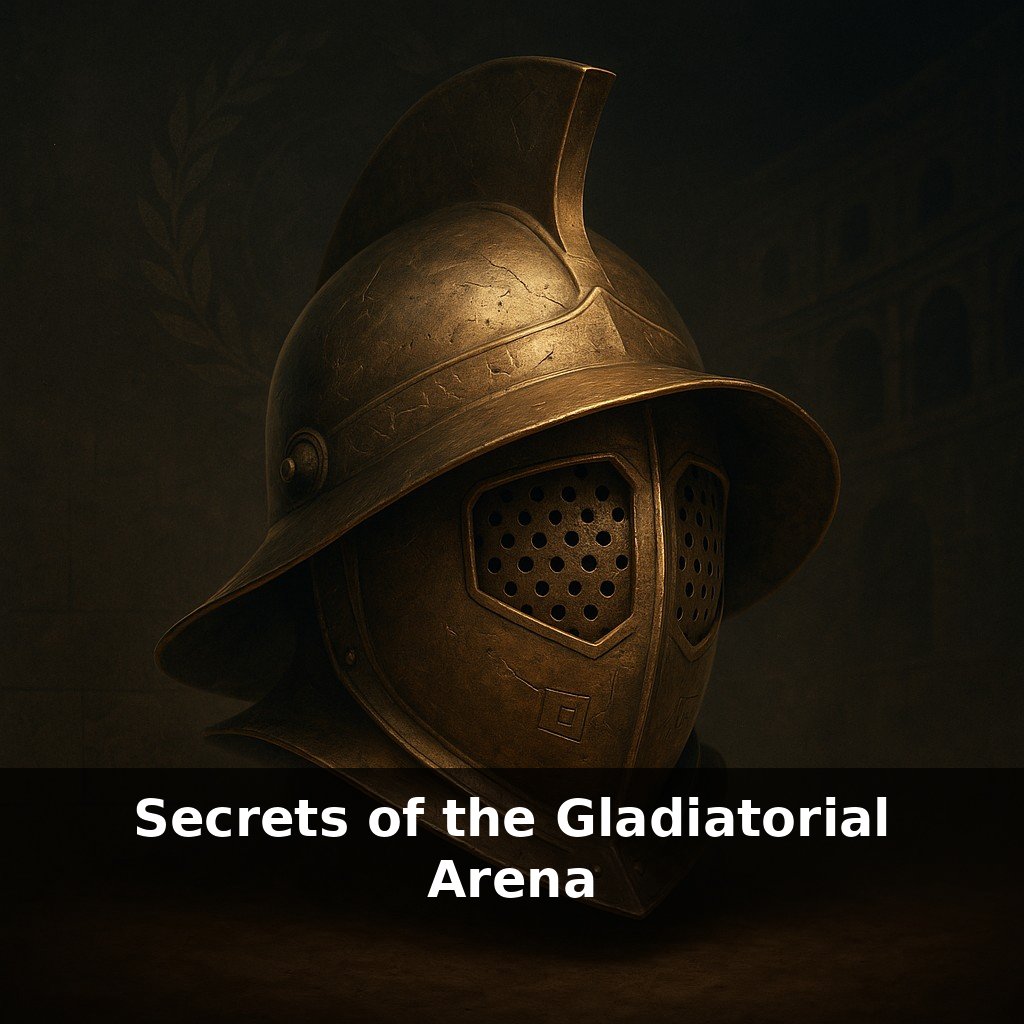
Secrets of the Gladiatorial Arena
5 episodesUnlock all episodes
Full access to 5 episodes and everything on OwlUp.
Subscribe — $1.99/monthLess than a coffee ☕ · Cancel anytime