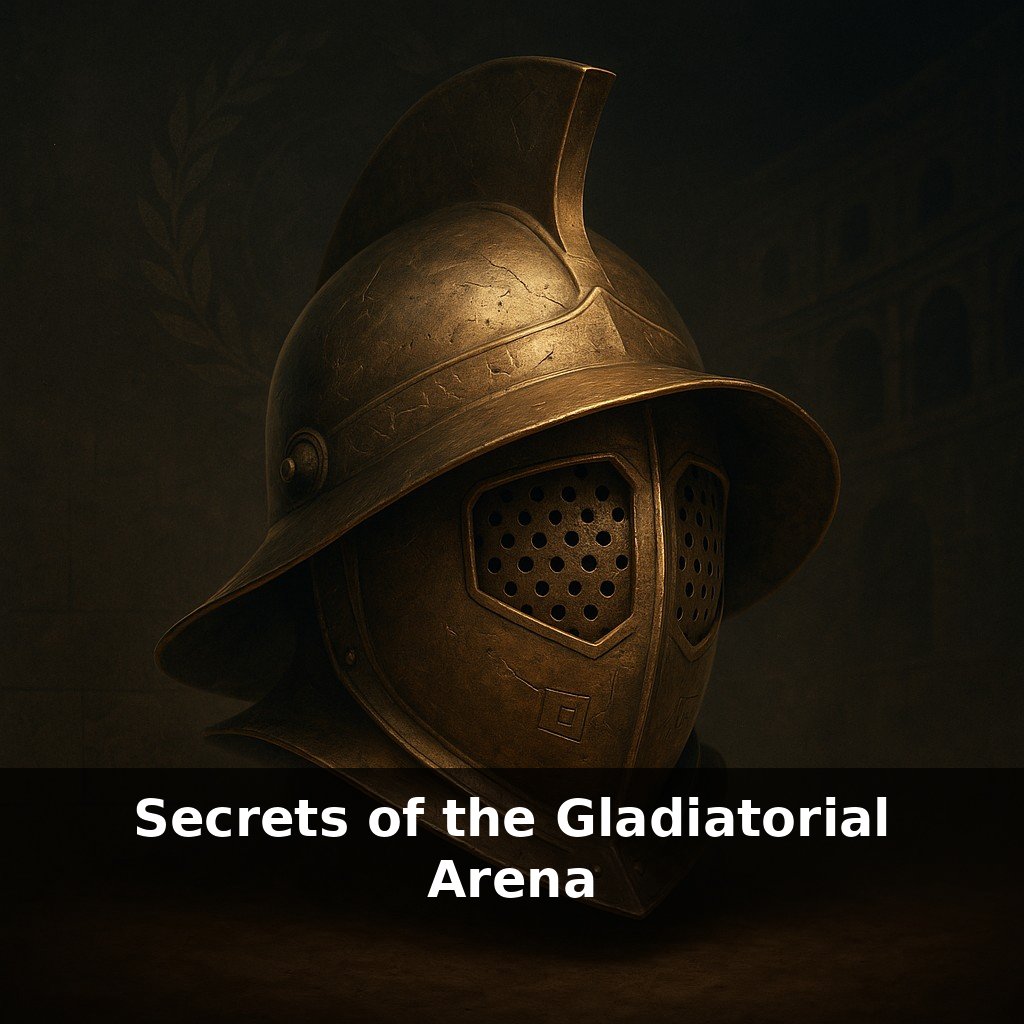
A Roman gladiator could become so famous that poets gossiped about his love life—and still, he had almost no control over his own career. In this episode, we step into that tension: brutal spectacle on one side, and the birth of modern celebrity on the other.
A paradox sits at the heart of gladiator history: a system built on expendable bodies ended up shaping how we design our most prized public spaces and treat our most protected stars. Gladiatorial combat didn’t just vanish; it dissolved and reappeared in new forms—etched into language, brick, and law. The very word “arena” we now use for concert tickets and playoff games once meant the sand that quietly drank in blood.
As we trace this legacy, physical ruins like the Colosseum become less like dead stone and more like blueprints: for crowd control, ticketing tiers, and premium sightlines. Storylines of doomed heroes and defiant rebels that once unfolded before senators and shopkeepers now replay through film franchises, tourism circuits, and university syllabi, shaping how we argue about violence, spectacle, and what we’re really paying to see.
Yet the legacy of these games isn’t just emotional or symbolic; it’s stubbornly practical. Roman amphitheaters seeded ideas that still shape how cities spend money, manage crowds, and sell experiences. Their oval footprints ripple into urban street grids; their masonry taught engineers how to stack thousands of bodies safely, with fast exits when panic struck. On the human side, gladiators helped prototype contracts, branding, and training regimes for risky entertainment careers, much like software “beta tests” that quietly decide what later becomes standard for everyone else.
Gladiators also pushed Rome to refine the business of risk. Their schools functioned as training labs where diet, sleep, and recovery were monitored because a dead fighter was a bad investment. Inscriptions show medical staff attached to major schools, and skeletal remains from burial grounds near arenas reveal careful treatment of fractures, healed cuts, and repeated surgery. The sharper the skill set, the longer a fighter could generate ticket sales, wagers, and prestige for backers.
Those backers weren’t always shadowy underworld figures. Wealthy politicians financed shows to buy popularity, and emperors used them to broadcast power. Contracts survive that detail how much a city owed a troop owner if a fighter died in the ring—essentially early appearance fees and insurance clauses. Some volunteers negotiated better housing, a share of prize money, or guaranteed manumission after a set number of matches. Risk was quantified, priced, and written down.
On the cultural front, the games minted recognizable “brands.” Fighters were classified into types—heavily armed secutores, nimble retiarii with nets and tridents, and more—each with their own gear, tactics, and fan base. Graffiti from cities like Pompeii cheer for specific fighters by name, rank their skills, and mock rivals. A favorite could inspire erotic poetry, sell cheap souvenirs, or be painted on tavern walls. Fame didn’t erase their vulnerability, but it did give them leverage: a crowd that adored a fighter might pressure an editor to spare him.
The buildings themselves refused to retire quietly when the games ended. Amphitheaters morphed into fortresses, markets, housing blocks, and quarries for later projects. Medieval families in Rome literally built their mansions into the skeleton of the Colosseum; in other towns, shopfronts and workshops hugged former arena walls, following their curve centuries after the last bout. Urban life kept orbiting those spaces, repurposing their infrastructure for new rituals—fairs, sermons, executions, even theater—long after anyone remembered the names shouted there.
When you walk into a modern stadium, you’re moving through layers of this afterlife without noticing. The oval footprint often nudges nearby streets into a curve; transit lines and parking decks quietly echo the need to move tens of thousands of bodies in and out on a tight schedule. Cities still debate whether public money for these venues is worth the promise of “economic revival,” just as Roman councils weighed the costs of building stone amphitheaters against the prestige and trade they might attract from regional festivals.
The words and gestures survive too. “Arena” long ago slipped its bloody etymology, but it still signals a space where fortunes can flip in an instant. Even the misunderstood thumb signal keeps resurfacing in memes, movie posters, and protest art, a shorthand for who gets to decide life chances—boss or worker, state or citizen, owner or performer. Female fighters, once a novelty in Roman programs, now reappear as leads in streaming series and video games, their presence sparking arguments over representation, exploitation, and who gets paid when their image sells.
Your challenge this week: treat every sports highlight, stadium skyline, and “underdog” movie trailer as an excavation site. As you scroll, walk, or watch, ask yourself three very specific questions: Who is paying for this structure or story? Who is physically taking the risk, and under what contract? And whose reaction—cheers, clicks, or ticket scans—actually decides what gets built or renewed next season? Spend a few days noticing, then pick one example and trace it back: follow the money, the labor, and the design choices as if you were mapping a ruin under a modern city.
Future implications stretch in unexpected directions. As 3‑D scans turn ruins into precise data, historians may “replay” lost events the way meteorologists rerun storm models, testing how crowds, sound, and staging shaped behavior. Lawmakers already mine antiquity when arguing over athlete safety; soon, AI tools comparing injury patterns across centuries could arm unions with hard numbers. Meanwhile, studios chasing the next bingeable saga will remix old amphitheater politics into interactive worlds, where your choices tilt the digital thumb.
In that sense, the “last fight” never really ended; it just changed costumes and scripts. Each rule tweak in a league, each camera angle in a streaming deal, tweaks how we rehearse power and mercy in public. Think of cities and studios as rival editors: programming contests, setting stakes, and quietly testing how far audiences are willing to go along.
To go deeper, here are 3 next steps: 1) Watch the full Ward vs. Gatti trilogy (HBO Boxing replays or YouTube compilations) and, while you watch, keep BoxRec.com open to trace how each fight shifted their careers and public legacy in real time. 2) Read *The Fight* by Norman Mailer or *King of the World* by David Remnick, then compare how Ali’s “last fights” are framed there versus how the episode described the modern fighter’s final bout shaping their myth. 3) Open a free account on CompuBoxOnline.com (or browse their published stats) and pull the punch data for one iconic “last fight” mentioned in the episode, then map how the numbers support—or contradict—the emotional narrative you heard.