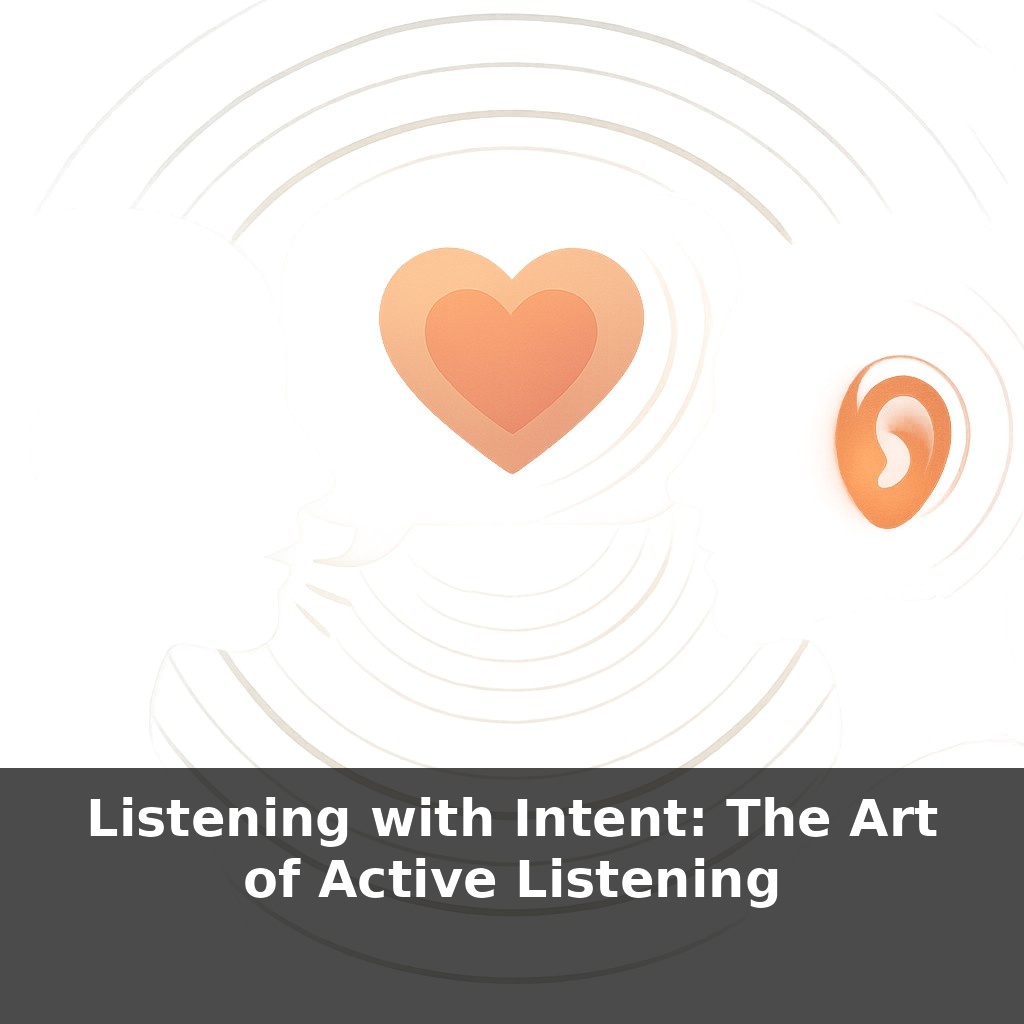
Most of us spend close to half our communication time listening—yet, a classic study found we remember only about a quarter of what we hear two days later. In this episode, we’ll step into real conversations and explore why truly hearing your partner is a rare, learnable super-skill.
We spend more of our waking hours hearing our partner than doing almost anything else together—yet in the moments that matter most, it’s often the part we rush. One person is talking about a hard day; the other is quietly drafting a response, a solution, or a defense. Words pass between you like cars on a highway, close but never touching. In this episode, we’re going to slow that traffic down and look under the hood of what happens when you listen with intent instead of on autopilot. You’ll hear how small shifts—like staying with one feeling for ten extra seconds, or asking a clarifying question before offering an opinion—can change the entire emotional climate of a conversation. We’ll draw on what brain science is revealing about connection, and we’ll turn those findings into simple, practical moves you can start using tonight.
So in this episode, we’ll zoom in on what’s actually happening between you in those small, ordinary moments: the pause before you answer, the way your eyes either stay on your partner or drift to your phone, the choice to ask one more question instead of slipping into debate. These tiny moves send signals, like green or red lights at an intersection, telling your partner “come closer” or “slow down, it’s not safe here.” We’ll look at what research says about those signals, and then practice turning them into a series of simple habits you can rely on when emotions run high.
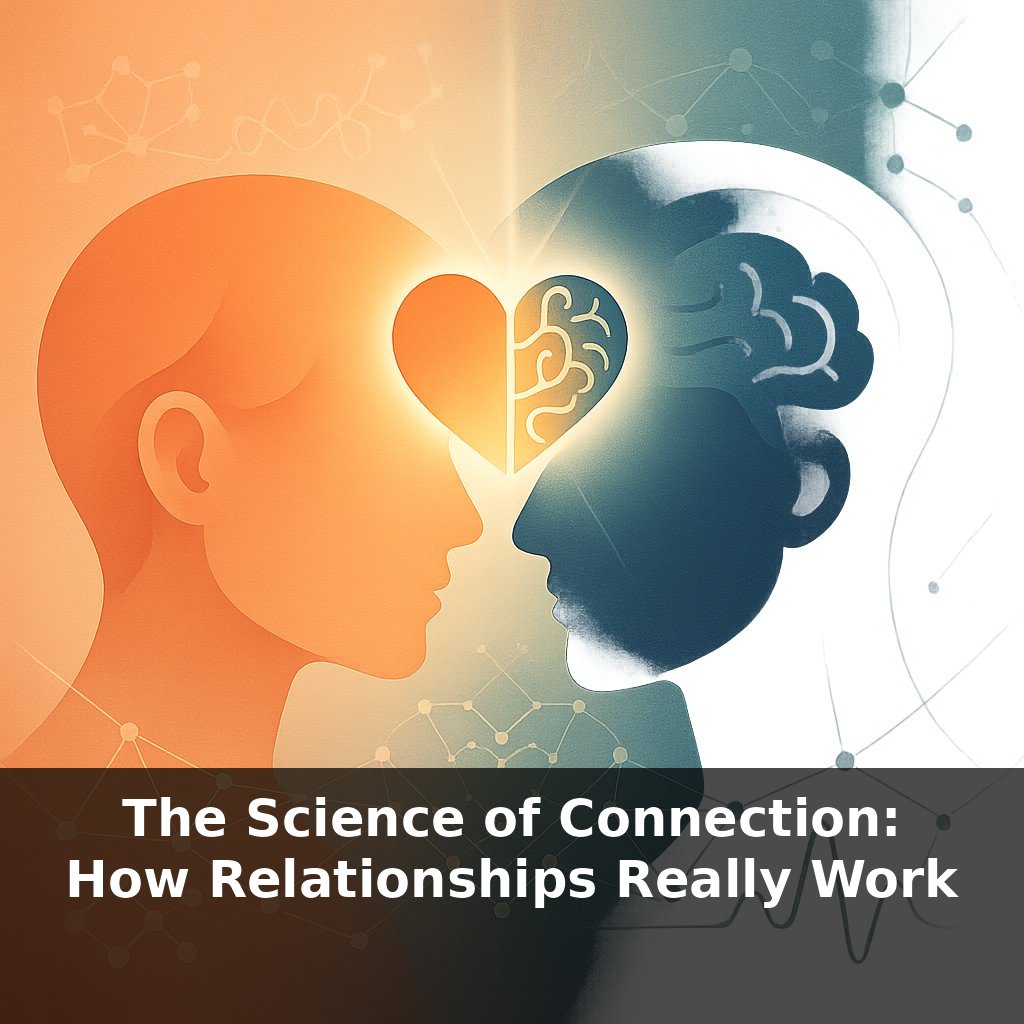
Most people think of “active listening” as what happens above the neck: ears open, mouth closed. But research shows that when you really tune in, your whole nervous system joins the conversation. EEG and fMRI studies find that as one person tells a story and the other tracks closely—especially when they paraphrase back—their brains literally start to sync. This “neural coupling” is strongest when the listener is effortfully trying to understand, not just waiting to talk. Your partner feels that effort as safety.
That safety changes their biology too. When someone senses they’re being understood, oxytocin—sometimes called the “bonding hormone”—ticks upward, while stress hormones like cortisol ease down. Over time, that hormonal pattern helps explain why couples who consistently practice skills like reflective paraphrasing and validation report more stability and lower breakup rates in longitudinal studies.
But the key is that active listening is not silent agreement. It’s structured curiosity. Therapists are trained to separate three internal “channels” while they listen:
1. **What they’re saying**: the facts, events, decisions. 2. **What they’re feeling**: the emotion underneath the facts. 3. **What this means to them**: the personal significance, fear, or hope attached.
In daily life, most of us camp on channel one and occasionally dip into two. Channel three—the meaning layer—is where people feel profoundly met. When your partner snaps, “You’re late again,” facts live in channel one. The feeling might be irritation. But the meaning could be, “I’m scared I don’t matter as much as other things in your life.”
Active listening aims for all three. You show you got the facts (“So the meeting ran over…”), you take a gentle guess at the feeling (“and you ended up stressed, maybe a bit embarrassed?”), and when it fits, you edge toward meaning (“Is part of this about wanting to feel like I’ve got your back when work is chaotic?”).
This is deliberate, learned work. A 2019 meta-analysis found that when people receive structured training in these micro-skills, their empathic accuracy jumps by a large margin. That’s hopeful: your current habits are not your destiny. With practice, you can train your attention the way you’d train a muscle at the gym—only here, the “strength” you’re building is the ability to stay with your partner’s experience a little longer before rushing back into your own.
Think of a moment when you asked your partner, “How was your day?” and got, “Fine.” Instead of moving on, you might zoom in on one detail—“You mentioned that new manager earlier; how did that meeting actually feel?” Now you’re not just hearing a headline; you’re inviting the full story.
In practice, this often means getting curious about the “edges” of what your partner says. If they toss out, “Today was a lot,” you can gently tug on that thread: “A lot…of stress? Of surprises? Of people needing you?” Your guesses don’t have to be perfect; what matters is showing you’re willing to refine them.
You can also listen for small contrasts. If your partner lights up briefly while talking about a tough day—“It was awful, but lunch with Maya was nice”—you might follow that spark: “What made lunch with Maya feel different from the rest of the day?” These micro-choices steer the conversation toward what nourishes or drains them, giving you a clearer map of their inner world and how to meet them there.
Active listening may soon be less about “trying harder” and more about designing your environment. Apps already nudge you to pause before replying, like a gentle speed bump in a busy neighborhood. Future tools could act like a shared calendar for your inner worlds—flagging when one of you seems overloaded, suggesting a listening break instead of another task. As hybrid love and work lives blur, couples who deliberately protect “deep-listen time” may gain the same edge as people who reliably protect their sleep.
Over time, patterns emerge: you start noticing where you rush, where you actually linger, and which questions open doors instead of closing them. Like tending a small garden together, you learn when to prune, when to water, when to simply sit beside what’s growing. There’s no finish line here—only a shared practice that slowly reshapes how safe it feels to be fully known.
Before next week, ask yourself:
1. “In my next real conversation (with a teammate, friend, or partner), how can I show I’m listening by reflecting back their exact words or feelings before I share my own opinion?” 2. “When I notice myself planning my response while the other person is still talking, what simple cue (like silently saying ‘pause and listen’) can I use in the moment to bring my attention back to their words and tone?” 3. “Who in my life do I tend to interrupt or ‘fix’ quickly, and what’s one question I can ask them this week—like ‘Can you tell me more about that?’—to help them feel fully heard instead?”