Right after the first COVID lockdown, divorce filings in the U.S. jumped by about a third. Now zoom in: one couple is arguing about bills, another about in‑laws—but both fights feel the same. The real question is: why do some pairs break, while others somehow grow closer?
In long‑term studies, John Gottman found a simple but demanding pattern: during conflict, stable couples maintain roughly five positive moments for every one negative. That could be a brief smile, a soft joke, “I get why you’re upset,” or “Thanks for talking this through.” It sounds small, but over months it creates a buffer against job loss, burnout, or illness.
Other research backs this up. In one study, couples who practiced a short gratitude dialogue for just 3 weeks reported a 23% jump in relationship satisfaction. Not from fixing every problem, but from changing *how* they talked while those problems stayed on the table.
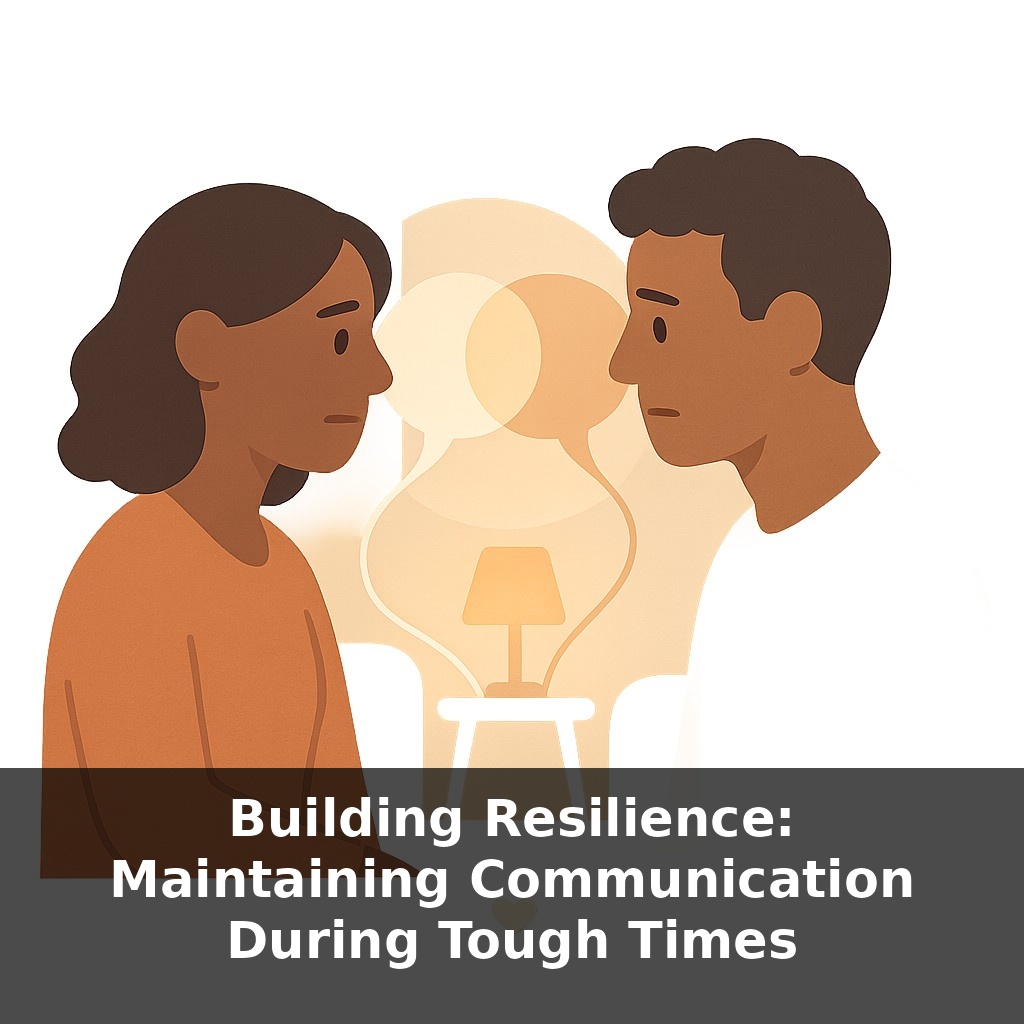
Resilient couples don’t avoid tough times; they build communication habits that let them *bend without breaking*. Three skills matter most: psychological safety, secure attachment, and deliberate positivity. Psychological safety means you can admit “I’m scared about money” without being mocked or shut down. Secure attachment looks like checking in regularly, not disappearing under stress. And deliberate positivity isn’t about pretending everything’s fine—it’s about intentionally adding small moments of warmth, especially when life is throwing curveballs.
When life gets rough, most couples focus on the *big* conversations: “How will we pay the bills?” “What about your health?” The research suggests something different: it’s the *micro‑moments* of communication that largely decide whether you pull together or drift apart.
Think in three layers:
**1. Daily “stress‑check” habits**
In one study of dual‑earner couples, partners who spent just 10–15 minutes debriefing their day had significantly lower spillover of work stress into their relationship. The key isn’t problem‑solving; it’s **signal‑boosting**:
- 1–2 openers you use every day under stress: - “What was the hardest part of today?” - “Where did you feel most alone today?” - 1 rule: the first **5 minutes** are for listening and validating only—no fixing, no “you should.”
Done 5 days a week, that’s 25 extra “I’m in your corner” deposits when you most need them.
**2. A plan for your “fight patterns”**
About **69%** of couple problems are long‑term differences. Under stress, those differences get louder. Resilient couples identify patterns *before* the next crisis:
- Name your top **3 recurring friction points** (e.g., money, chores, in‑laws). - For each, agree on: - A **code phrase** that means “Pause, not war” (e.g., “Time‑out” or “Same team”). - A **cool‑down window**: 20–30 minutes where you separate, then *must* return to the topic. - One “good‑faith gesture” each (e.g., sending a short reassuring text during the break).
Couples who reliably repair after conflict—rather than avoid or re‑fight—show markedly lower breakup rates over time.
**3. Built‑in positivity under pressure**
Under heavy stress, most pairs slip below that 5:1 ratio without noticing. You counteract this by **pre‑scheduling** positives:
- Choose **2 tiny rituals** that still happen even on bad days: - A 6‑second hug at reunions (research suggests 20 seconds of affectionate touch can measurably reduce cortisol). - One specific appreciation before bed (“One thing I admired about you today was…”).
Across a week, that’s at least **14** explicit appreciations and **7** intentional moments of touch—small, repeatable behaviors that make it safer to say, “I’m not okay,” when life hits hard.
A couple facing a sudden layoff decided to treat the next 30 days as a resilience “training block.” They agreed on 3 concrete moves. First, they set a 5‑minute “weather report” check‑in at 8:30 p.m. daily—strictly limited by a timer—to label emotions in one sentence each: “Today I feel 70% worried, 30% hopeful.” Second, they committed to spotting **3 small wins** per day related to coping: sending one résumé, taking a walk instead of doom‑scrolling, cooking at home once. They texted these to each other before dinner, which gave them **21 shared wins** per week to refer back to when tension rose. Third, once a week they ran a 15‑minute “appreciation drill”: 5 minutes each sharing **specific** things they valued in how the other handled stress, plus 5 minutes planning one tiny adjustment for the coming week. Within a month, they reported fewer circular arguments and felt more like collaborators than opponents, despite nothing changing yet in their external situation.
Within 5–10 years, resilience skills may be tracked as visibly as steps or sleep. A couple could receive an alert when their positive‑to‑negative ratio drops below a preset threshold, or when their heart‑rate patterns show repeated stress spikes during talks about money. Workplaces might offer 4‑week resilience labs, and insurers could cut premiums for couples who complete at least 2 evidence‑based programs per year and show a 20–30% reduction in stress‑related claims.
Your challenge this week: run a 7‑day “resilience drill.” On 3 tough days, schedule a 10‑minute check‑in and agree on **one** small change for tomorrow (e.g., clearer request, softer opener). Track how many changes you actually try—aim for at least 4 of 7. Couples who consistently tweak like this can cut hostile cycles by 20–40% over time.