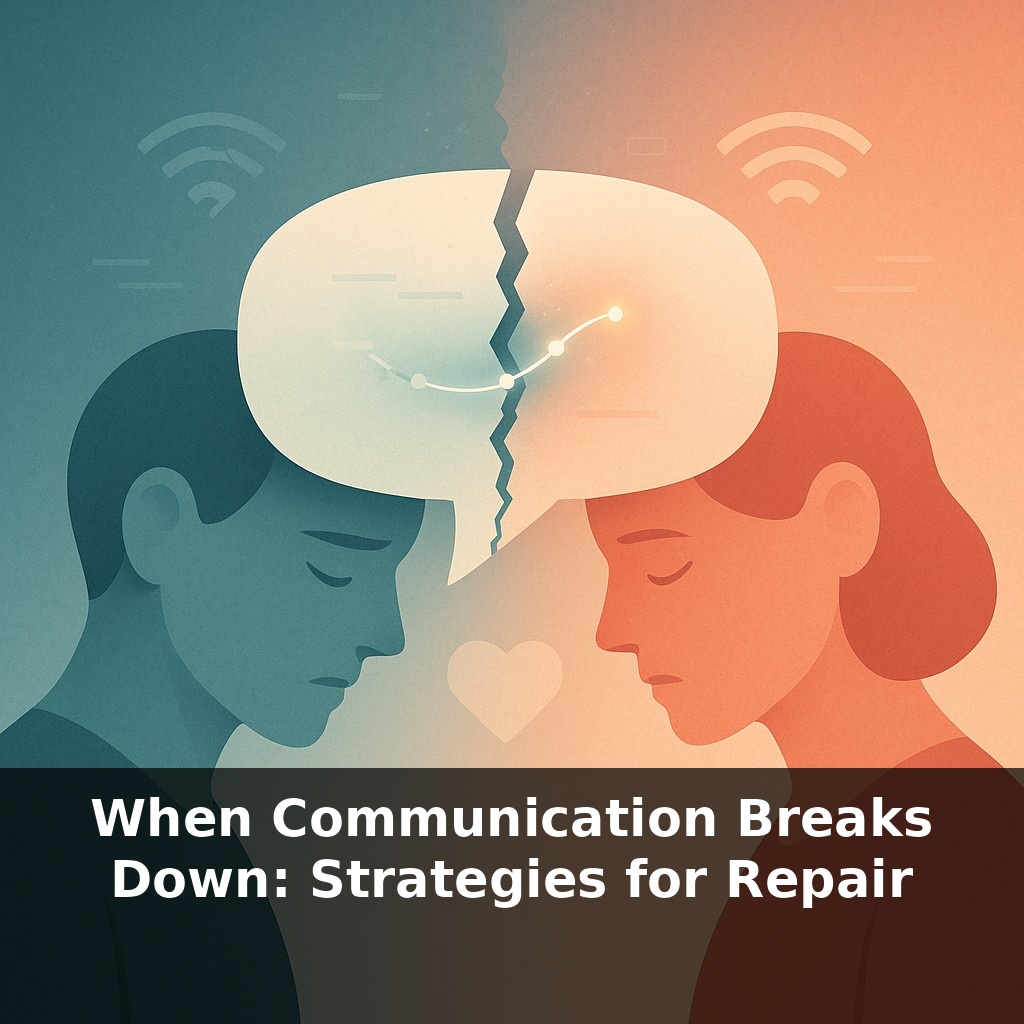
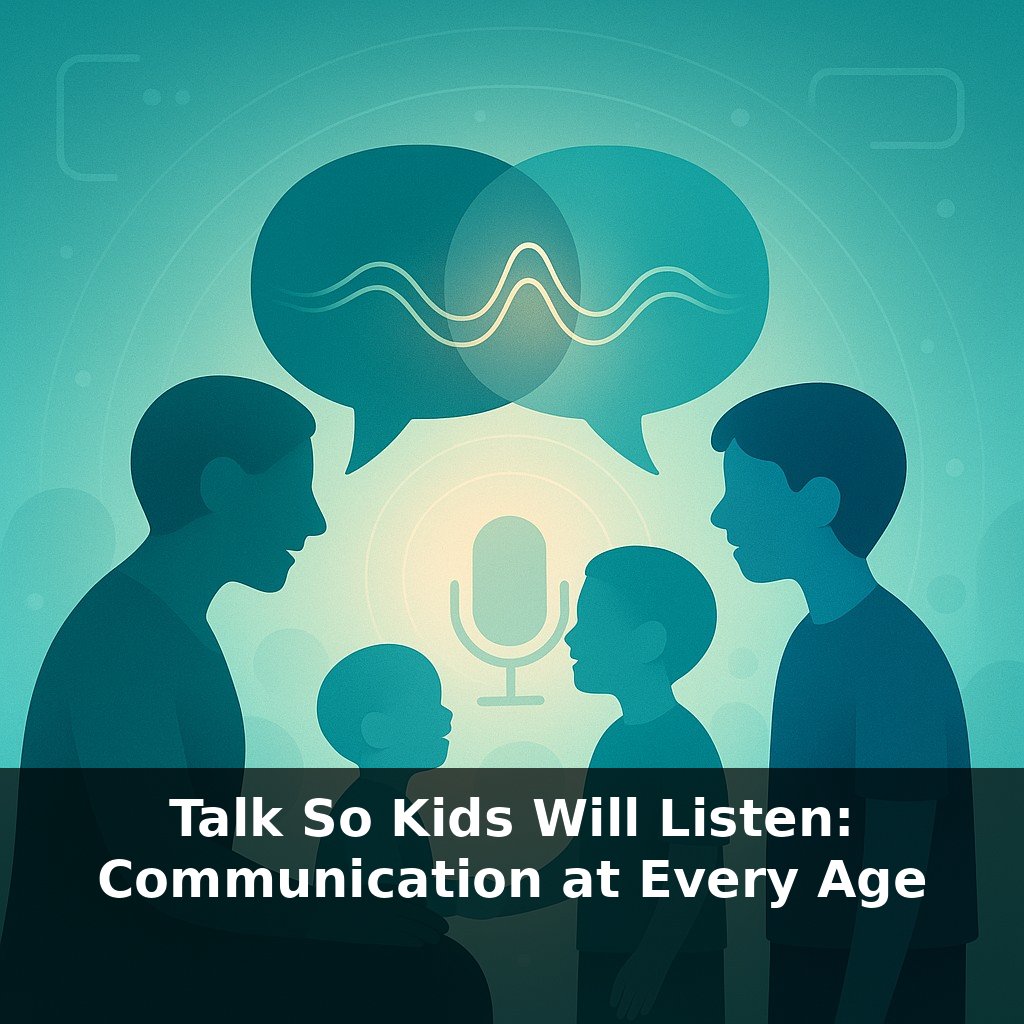
A single sentence, spoken the wrong way at the wrong moment, can predict whether a marriage will last. A slammed door, an eye roll, a muttered “forget it” from your teen—these tiny moments decide if your family bounces back from conflict…or slowly stops talking.
Research on families who do conflict well shows something surprising: it’s not that they fight less, it’s that they repair faster and more often. The difference is usually decided in the first few minutes of a hard conversation. That’s when criticism quietly replaces curiosity, or a sarcastic laugh covers a hurt feeling. Miss those early shifts and the whole house can feel like everyone’s walking on eggshells by bedtime.
In this episode, we’ll zoom in on those turning points—how to notice when the tone is sliding, and what to do in the next 30–60 seconds before anyone slams a door or shuts down. Think of it like catching a pot just as it starts to boil over: the earlier you reach for the knob, the less mess you have to clean up later. You’ll learn specific “repair moves” you can make in real time, even when you’re tired, triggered, or totally convinced your kid is being unreasonable.
When communication starts sliding, your nervous system often notices before your mind does. Your heart rate ticks up, your shoulders rise, your vision narrows. This “flooding” makes it harder to hear nuance or choose your words; your brain quietly switches from “connect” mode to “protect” mode. Kids have their own versions: a sudden silliness, going blank, changing the subject, reaching for a device. In this episode, we’ll treat those body cues and behavior shifts like road signs. Instead of powering through the yellow light, you’ll practice tapping the brakes early so repair can start before anyone hits full shutdown.
Here’s the tricky part: by the time voices are raised, you’re already late. The real work of repair happens a few steps earlier—often in moments that look too small to matter.
Start by mapping your family’s “early warning signals.” For you, it might be when you start re-explaining the same point a third time, or mentally rehearsing comebacks while your child is still talking. For your kid, it might be the first eye roll, suddenly going quiet, or shifting into joke-mode when something serious is on the table. Those are not “attitude problems” as much as transition points: the exact second you can still pivot.
Once you notice that moment, think in terms of three simple levers you can pull: slowing down, zooming in, and shifting stance.
Slowing down is anything that buys a few seconds of space without slamming the door: taking a sip of water, looking away to the side, saying, “Hang on, I want to say this better,” or, “Give me a second—I’m getting worked up.” You’re not abandoning the conversation; you’re lowering the speed limit so everyone has more control of the wheel.
Zooming in means getting curious about what just changed. You might say, “You went quiet just now—what happened?” or “I heard my voice get sharper; let me try that again.” Kids rarely volunteer this information, but they often relax when you name the shift gently and invite them to help you read it.
Shifting stance is moving from “proving” to “understanding.” Instead of another round of explanations, you swap in something like, “Okay, pause. Tell me what you think I’m missing,” or, “I still disagree, but I really want to understand why this matters so much to you.” That doesn’t give up your perspective; it adds theirs to the table.
Like a basketball team calling a quick huddle after a broken play, you’re not leaving the game—you’re briefly stepping back to reset the plan, then stepping in again with more coordination and less collision.
Your best “repair practice” happens in calm moments, not just mid-argument. Think of it like a musician running scales so the right notes are there when the spotlight hits. At breakfast, you might say, “Yesterday got tense. Next time I notice us both getting prickly, what would help you most—me taking a pause, or me asking you a question first?” Let your child choose; kids are more likely to tolerate repair moves they helped design.
Concrete scripts help. For instance, agree on a shared reset phrase that doesn’t sound like blame: “Can we start this over?” or “Pause for clarity.” You can even make it playful with younger kids: “Time-out for a brain reboot.” Practice using that phrase during low-stakes moments—like when a Lego tower collapses or a board game rule is unclear—so it doesn’t feel strange when emotions run higher.
Over time, you’re building a tiny family toolkit: one phrase to slow, one question to understand, one signal to break, all rehearsed before you actually need them.
When repair becomes normal at home, it quietly reshapes how kids move through the world. They start to assume that tension isn’t a dead end, just a bend in the road. Future tools will likely amplify this: wristbands that vibrate when arguing gets too fast, or home devices that nudge, “Try a do-over?” But the real shift is cultural. As schools, teams, and workplaces adopt similar “reset rituals,” kids will recognize the same moves everywhere, like seeing the same trail markers across different forests.
Repair doesn’t mean erasing conflict; it means writing a next chapter together. As tech starts tracking mood shifts like a fitness app tracks steps, kids may grow up seeing relational “micro-repairs” as normal as brushing teeth. Your home becomes their practice field: a place to test resets, miss shots, and still be welcomed back into the game.
Your challenge this week: The next three times a conversation with your child starts going sideways, experiment with a visible “rewind” move. First time: name your own shift out loud (“I’m getting sharp; let me pause”). Second: invite their view (“What just changed for you?”). Third: try a shared reset phrase. Notice which one softens the room fastest.