Understanding the Importance of Saving
📝 Transcript
Right now, in a country as wealthy as the United States, more than a third of adults would struggle to handle a surprise bill of just a few hundred dollars. You’re in your car, your phone buzzes with a bank alert—and in one second, your entire month’s plans are upside down.
That feeling isn’t just about money—it’s about control. When you’re one broken appliance away from chaos, every choice starts to feel smaller: the job you “have to” keep, the relationship you “can’t afford” to leave, the opportunity you “wish” you could take. Saving isn’t only for big future goals like retirement; it quietly rewires what’s possible in your daily life.
Across history, households that saved even modest amounts had more options when things shifted—new technologies, new industries, new cities. Today, with careers changing faster and prices moving like a staircase that only goes up, savings act less like a nice-to-have and more like essential infrastructure for your life.
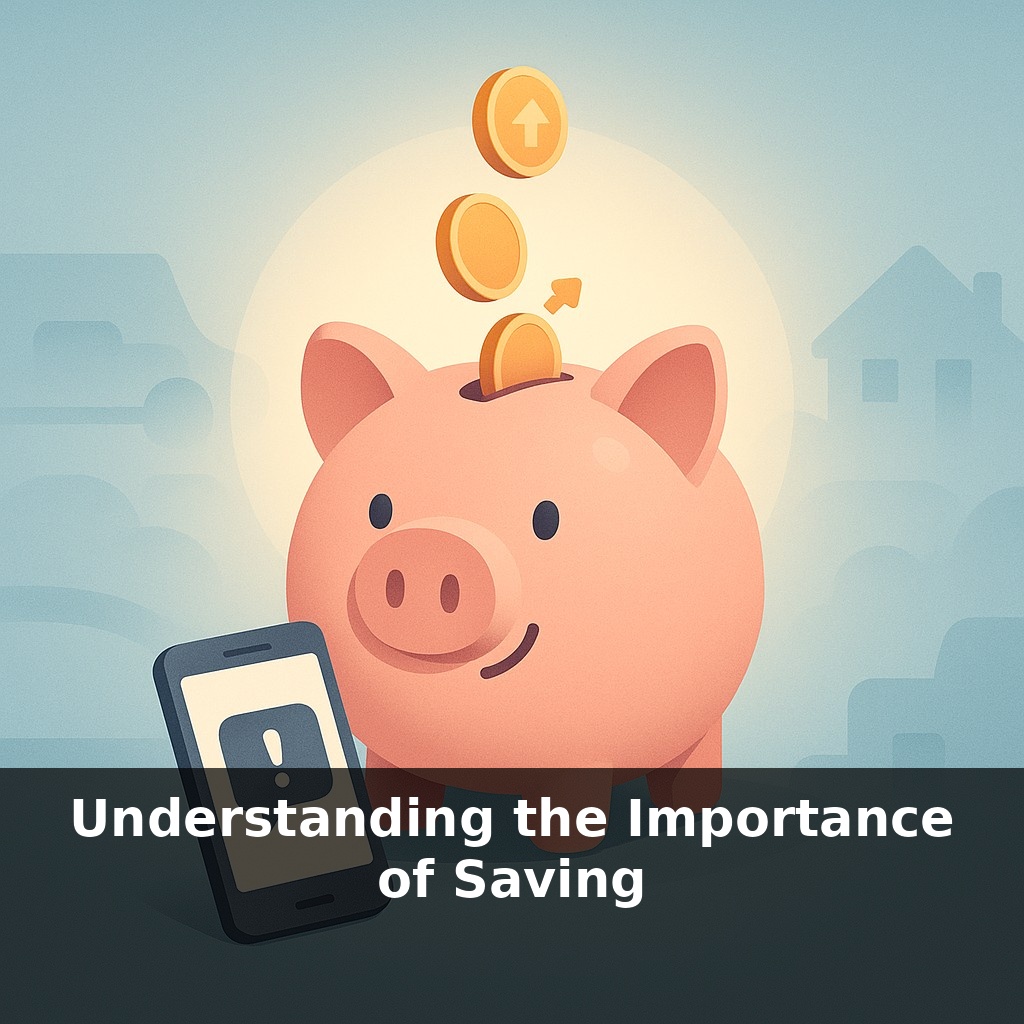
Saving is like installing a surge protector for your finances: it doesn’t stop storms from coming, but it decides how much damage they do.
Here’s the quiet twist most people miss: saving isn’t only about protection from bad news; it’s also your ticket to say “yes” when good news shows up. A friend invites you on a last-minute trip. A course opens that could double your income. A cheap used car appears right when your old one starts coughing. Without savings, opportunity feels like a tease. With even a small cushion, you can respond instead of just react. Historically, families who saved a little during stable times were the ones who could move for better jobs, start small businesses, or help their kids seize rare chances.
Most people think of saving as “leftovers”: if anything remains after bills, then maybe it can sit in a separate account. That mindset quietly makes your future optional—and your present permanently tight. A more powerful frame is this: saving is a bill you pay to your future self, on purpose, every month.
Three forces make that bill worth paying.
First, time. Not dramatic market timing or secret stocks—just boring, relentless years. A diversified portfolio that averages about 7% a year doesn’t look impressive in year one. But give it a decade or two and the math flips: growth starts happening on past growth. That’s why people who start with tiny amounts in their 20s so often pass people who started with much larger amounts in their 40s. The early saver used time as a multiplier, not a bandage.
Second, flexibility. When you’re not relying on credit cards or payday loans every time life wobbles, your choices become cheaper. That 70% lower chance of needing payday loans isn’t just a statistic; it’s a different script for your life. Instead of signing up for triple‑digit interest because your paycheck was late, you draw from a small reserve and then calmly refill it. The same setback, completely different long‑term cost.
Third, identity. Each automatic transfer—$10, $50, $200—reinforces a story: “I am someone who prepares.” Behavioral research shows how design tweaks can lock that story in. Programs like “Save More Tomorrow” don’t wait for willpower; they change the default. Workers are automatically enrolled, and their savings nudge up whenever they get a raise. No big heroic decision, just a quiet staircase of slightly better choices.
This is where common myths get in the way. “I don’t earn enough” turns saving into an amount problem, when it’s mostly a habit problem. “Saving and investing are the same” blurs the line between money you might need next month and money you won’t touch for decades. And “I’ll save after I kill all my debt” ignores that high‑interest balances can grow faster than any conservative account.
Over time, people who respect these differences—and automate around them—tend to climb, even in choppy economies. They aren’t luckier; they’ve just built a system that keeps working when motivation fades.
Think about three different people with the same paycheck. Alex keeps everything in checking. When the car needs $600 of work, the money was already mentally spent on nights out. The fix goes on a credit card at 24%, and next month starts in a hole.
Jordan keeps $1,000 in a separate “life happens” account at a different bank. No debit card, no app tile on the home screen. When the same $600 hit arrives, it’s annoying, but it’s just a transfer and a calendar reminder to rebuild the balance over the next few paychecks. No new debt, no panic.
Sam goes one step further: 5% of every paycheck is sliced off automatically to that buffer, and another % to long‑term investing. Sam doesn’t “decide” to save; it just happens in the background, like software updating overnight. A year later, all three faced similar bumps. Alex is juggling overdue notices, Jordan is stable, and Sam has options—like signing up for that course or taking a lower‑pay, higher‑growth job without immediate fear.
As more people treat saving as non‑negotiable, careers and communities can shift. A small emergency fund can turn a risky job change into a calculated move, like stepping onto a well‑built bridge instead of a tightrope. On a larger scale, households with reserves are less likely to slash spending in downturns, softening recessions. Tech tools that automate tiny transfers can spread this resilience, turning irregular gig income into a more predictable base instead of a constant scramble.
You don’t have to redesign your whole life overnight. Start with one small, regular transfer and treat it like brushing your teeth: unexciting, automatic, non‑negotiable. Over months, patterns shift—stress softens, choices widen. Your challenge this week: pick a tiny amount, move it on the same day, and watch how quickly “impossible” begins to feel normal.
From this course
The Art of Saving: From Zero to Savings Hero
7 episodesUnlock all episodes
Full access to 7 episodes and everything on OwlUp.
Subscribe — $1.99/monthLess than a coffee ☕ · Cancel anytime