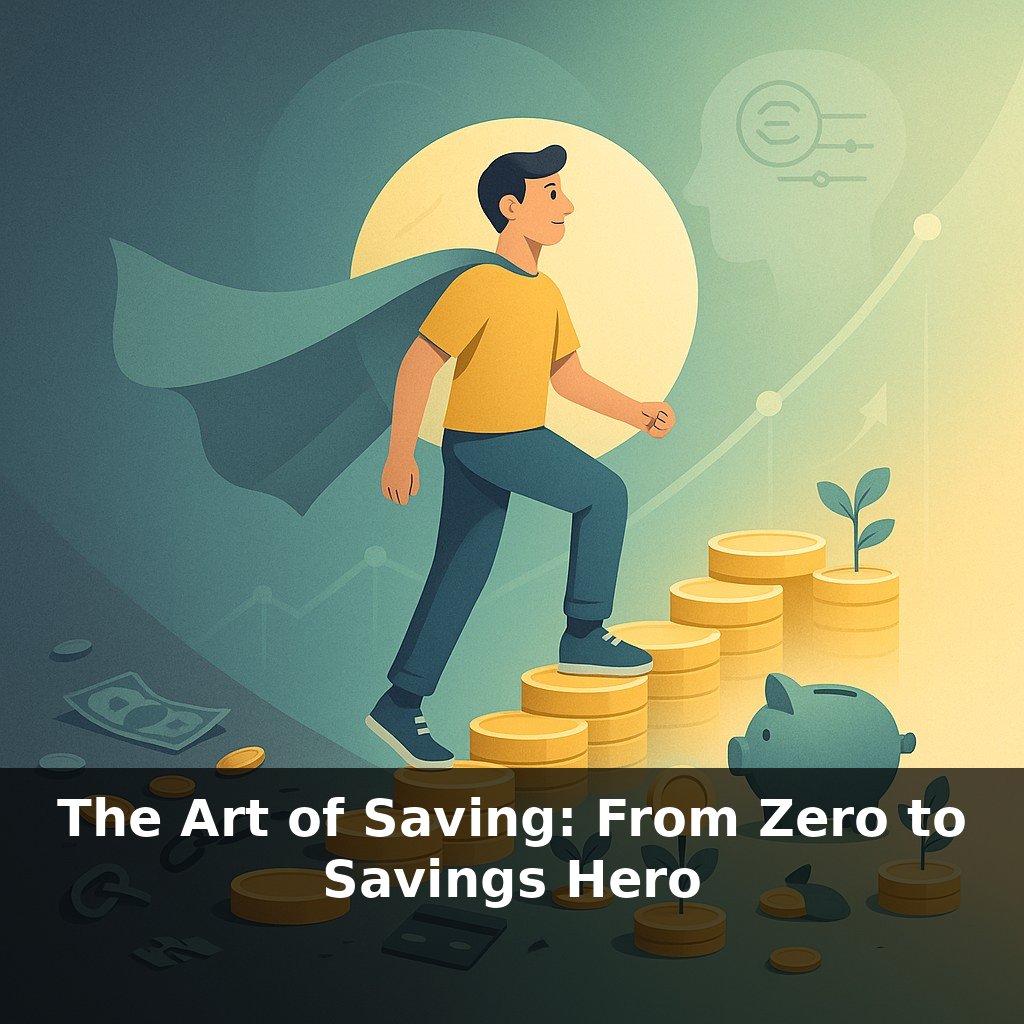
Most people say they want to save more, yet most also have less than a thousand dollars set aside. You’re at the grocery store, your car makes a strange noise, and suddenly your “future vacation” money is keeping your engine alive. Why does saving slip away so easily?
The real twist isn’t that people *can’t* save; it’s that their goals are often foggy. “Save more this year” sounds responsible, but your brain treats it like a browser tab you never click—always open, never used. Behavioral economists have found that vague goals get pushed aside by whatever feels urgent today: a sale, a night out, a small “I deserve this” splurge. Meanwhile, big hopes—like feeling secure if you lose your job, or finally not stressing over every bill—stay stuck in the future tense. The turning point comes when those hopes are translated into concrete, ranked targets with clear price tags and dates. That’s when your daily choices have something solid to line up against. In this episode, we’ll turn hazy intentions into specific, doable savings goals that actually compete with your impulse to spend right now.
Think of your money like a limited number of “slots” on your phone’s home screen—only a few goals can sit in the prime spots you tap every day. Research shows most households juggle competing priorities: student loans, rent or a mortgage, kids’ activities, travel, maybe a down payment someday. When everything is “important,” nothing gets traction. That’s where prioritizing and sequencing come in. Instead of trying to fund five things at once, you decide what gets front-row status *first*, what can wait, and what gets a smaller, background share of each paycheck. This turns scattered effort into visible progress.
Most households never actually write down what they’re saving *for* in a structured way, and that’s where we start to diverge from people who steadily build savings over time. Behavioral research backs this up: clear, time-stamped targets beat “I’ll just save when I can” almost every time.
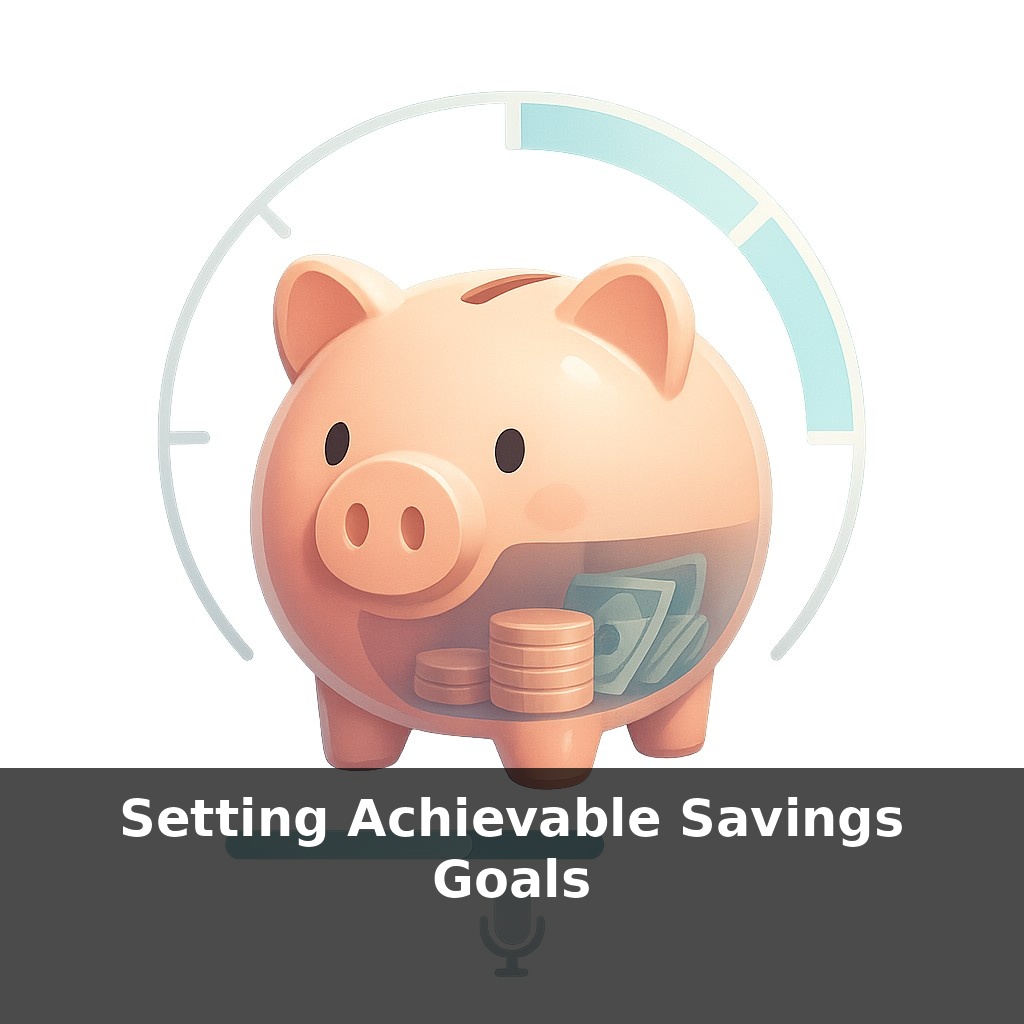
To make that concrete, you can use the SMART framework—*specific, measurable, achievable, relevant, time‑bound*. Not as a buzzword, but as a checklist that forces trade‑offs. Instead of “build an emergency cushion,” you write: “$900 in 3 months, $75 per paycheck.” Now your brain can compare that $75 to tonight’s takeout in a meaningful way.
Next, split your goals into **tiers**, each with a different job:
- **Tier 1: Stability goals.** These protect you from getting knocked backwards—emergency funds, essential car repairs, minimum debt payments. Research on “financial fragility” shows that even a few hundred dollars here dramatically reduces stress and reliance on high‑interest credit.
- **Tier 2: Momentum goals.** These move you forward—paying down high‑interest debt faster, building a basic retirement contribution, a small “opportunity fund” for courses or tools that raise your income.
- **Tier 3: Lifestyle goals.** Travel, home upgrades, big purchases. These aren’t “bad”; they’re just funded *after* the first two tiers have a consistent stream.
Tools matter here. Automatic transfers turn decisions into defaults. Evidence from retirement plans shows that when people are opted in by default, participation almost doubles. You can recreate that power with your own accounts: a separate emergency fund that pulls money from your checking the day you’re paid, before you notice it’s gone.
Fintech apps and online banks make this even more concrete with labeled sub‑accounts: “Emergency,” “New Laptop,” “Moving Fund.” Internal data from at least one app suggests users save more when each dollar has a visible label. Even without an app, you can mimic this with multiple savings accounts or simple spreadsheets.
From there, the **goal‑gradient** effect helps: as you get closer to a target, motivation spikes. So break big amounts into smaller checkpoints and celebrate each one—$250, $500, $1,000—so your brain gets frequent “wins” instead of a single, distant payoff.
Think of a construction site where only a few cranes can operate at once. A young designer earning $48,000 decides her “cranes” will lift three projects this year. Crane A: a three‑month rent buffer. She sets a target of $2,700 in nine months and schedules $150 to move every payday into a separate “Rent Buffer” account. Crane B: a $600 “Skill Fund” in six months to pay for a software course that could boost her income. Crane C: a modest $400 “Fun Fund” for a short trip with friends, funded at a slower pace.
Each project has its own “blueprint” and account, so when a bonus arrives, she doesn’t just “save some”—she assigns $200 to Speed Up Crane A, $100 to Crane B, and lets Crane C stay on its current timeline. When her car needs a $300 repair, the choice isn’t random sacrifice; she temporarily pauses contributions to Crane C for two months, keeping her stability and momentum projects on track.
Future tools may treat your goals like living objects that react to your life. Lose overtime hours and your app quietly shrinks monthly transfers so you don’t bounce payments; pick up a side gig and it proposes a faster path. Prize-linked accounts could turn small deposits into raffle tickets, tapping the same excitement as lotteries without the drain. As employers, banks, and apps sync data, the real risk is over‑automation—people zoning out instead of staying meaningfully in control.
Over time, your list of targets will change—new jobs, kids, moves, crises. Treat the system less like stone tablets and more like a whiteboard: erasable, adjustable, always in use. Review days become checkpoints, not report cards. You’re not chasing perfection; you’re building a habit of asking, “Given who I am *now*, what do I want my money to do next?”
Here’s your challenge this week: Choose one concrete savings goal from the episode (like “$500 emergency fund in 10 weeks” or “$1,200 for holiday travel in 6 months”) and divide it into a specific weekly dollar amount. Today, log into your banking app and set up an automatic transfer for that exact weekly amount to a separate “Savings Goal” account with a clear name (e.g., “Emergency Fund – 10 Weeks”). Before the end of the day, open your recent transactions, pick one recurring non-essential (like food delivery or streaming), and reduce or cancel it so the saved money directly matches or exceeds your new weekly transfer.