Right now, in many workplaces, almost everyone saves for retirement—but mostly because the company does it *for* them. Yet at home, with our own money, most of us still rely on willpower. Why do we trust automation with our future, but not with next month’s savings?
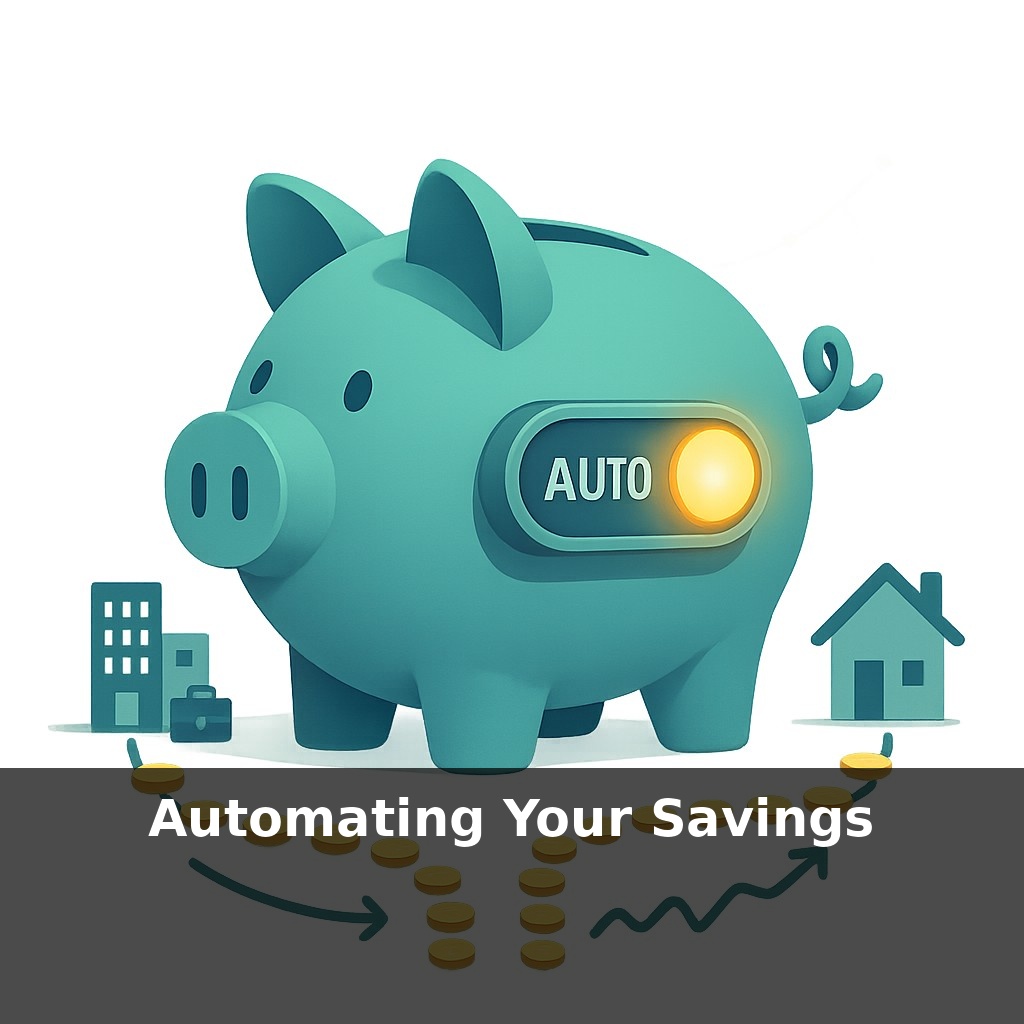
Here’s the strange part: when companies add automatic enrollment to workplace plans, participation doesn’t just rise a little—it practically explodes. Vanguard found that when employees are automatically enrolled, 93% stay in, compared with only 66% who sign up on their own. That’s not a small tweak; that’s a completely different reality. Yet outside of work, only about 4 in 10 U.S. households use *any* kind of automatic saving. The rest are still trying to “remember” to move money later. In other words, the tactic that clearly works best is the one we’re least likely to use on ourselves. This isn’t about discipline; it’s about design. The system around your money often matters more than your intentions. So in this episode, we’ll turn your personal finances into something closer to a well-run system—where saving happens quietly in the background, whether you’re “motivated” that month or not.
Here’s the twist: automation isn’t just about *saving more*—it’s about saving with less stress and fewer decisions. When transfers happen on their own, your bank balance becomes less of a constant negotiation and more of a scoreboard: “Here’s what’s left to enjoy, guilt‑free.” That shift matters. Data from tools like Acorns and Digit show that tiny, frequent automatic moves—often amounts you’d barely notice spending—can quietly add up to hundreds a month and thousands over time. In this episode, we’ll zoom in on those small, repeatable moves and turn them into a simple, personal savings system.
Let’s zoom in on what actually changes when you let systems do the heavy lifting.
First, automation quietly rewires the *timing* of your decisions. Most people decide whether to save at the end of the month, when the money is already mixed in with daily life. Automation forces the decision *upstream*—you choose a rule once (how much, how often, where), and then the rule runs before that money ever feels “spendable.” The choice moves from “Do I feel like saving today?” to “Do I want this rule shaping my life for the next few months?” That’s a very different kind of decision—more strategic, less emotional.
Second, automation changes what “enough” looks like in your checking account. Without any system, a higher balance feels like permission to spend more, even if some of that money was mentally “for savings.” With a rule that skims off the top on payday, the balance you *see* starts to align better with what’s truly available. People often report that after a few pay cycles, the new, lower number in checking simply becomes “normal”—and their spending adjusts around it without much conscious effort.
Third, automation lets you separate *types* of saving without juggling everything in your head. One rule can feed an emergency fund, another can build a vacation fund, and another can send money to an investment account. The power here isn’t complexity; it’s specificity. “$60 a month for car repairs” feels vague; “$30 every payday into a ‘Future Car Headaches’ sub‑account” becomes a concrete, pre-committed promise to your future self.
Notice how this shifts the emotional load. Instead of feeling guilty every time you *don’t* move money, you start getting small hits of satisfaction from rules quietly doing what you asked them to. The friction moves from “ugh, I have to remember to do this” to a simple check‑in: “Does this rule still fit my life right now?”
And crucially, automation isn’t all‑or‑nothing. You can automate a bare minimum—say, $25 per paycheck—then layer on occasional manual transfers when life is generous. The automation becomes your floor, not your ceiling.
Think about how streaming services handle your watchlist. You don’t decide from scratch every night; you set a few preferences, add a couple of shows, and the system keeps serving up episodes. You can still browse manually, but there’s always something “up next.” Automated saving can work the same way: a default lineup of money moves that quietly run unless you actively change the channel.
Take three quick examples. One person sets $15 every Friday into a “Houseplant Fund” for home upgrades; another routes $40 from each freelance payment into a high‑yield account for taxes; a third uses a bank that rounds up every debit card purchase to the next dollar and funnels the difference into a “Travel 2026” pot. None of them feel like they’re “on a strict budget,” yet each is building something specific.
The key is variety, not size. You might send tiny amounts to three or four different goals. Over a year, those quirky little rules can reshape your finances far more than one big, vague intention to “save more.”
Your future money life may feel less like juggling bills and more like running scenes in a movie editor. Payroll APIs will let you “slice” each paycheck into precise tracks—rent, goals, splurges—before it ever lands. AI will watch cash‑flow like a smart thermostat, nudging amounts up or down as your income and bills shift. And as more apps quietly add goal pockets, opting *out* of saving could start to feel stranger than opting in.
So the real question isn’t “can I save more?” but “what tiny rule could quietly reshape the next year?” Start small: a weekly transfer that feels like the price of a coffee, labeled for something oddly specific—“future concerts,” “winter tires,” “next semester.” Your challenge this week: set one rule so easy it’s almost boring, then let curiosity track what it becomes.