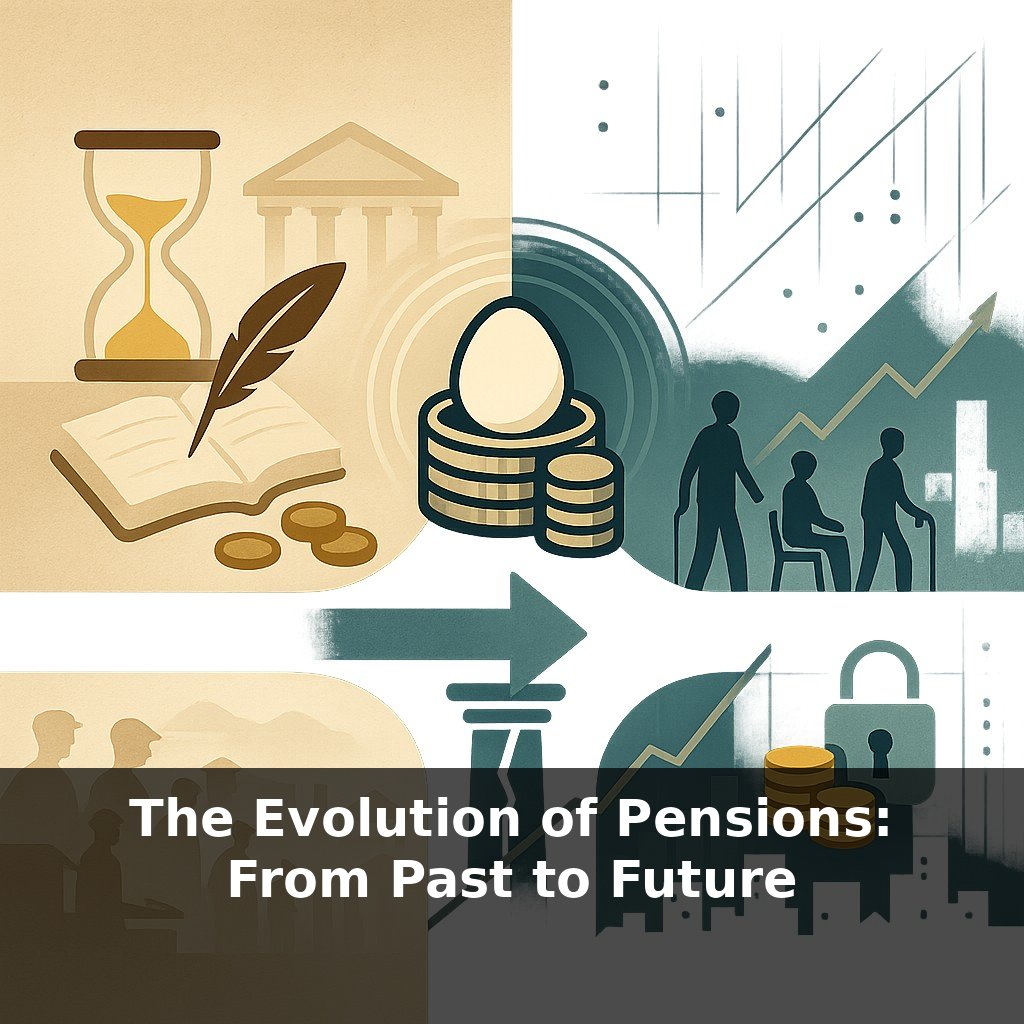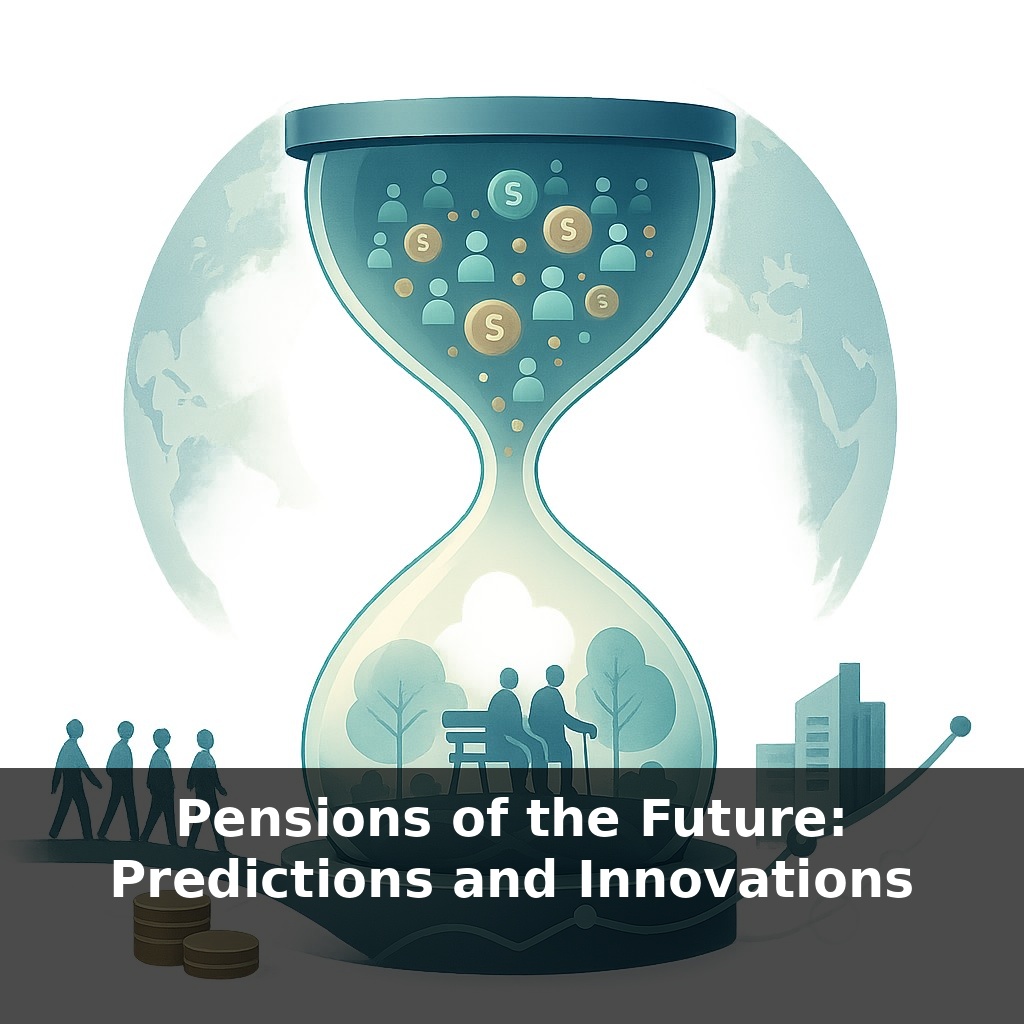
About half the world’s pension promises were built when most people only lived a short retirement. Now we’re heading for retirements that last almost as long as our careers. In this episode, we dive into how pensions must reinvent themselves so your future self still gets paid.
In most rich countries, there are now fewer than three workers for every retiree—and that ratio keeps shrinking. At the same time, over half of global pension wealth sits in just a handful of markets, leaving vast populations with little or no formal old‑age income. In this episode, we shift from “what’s broken” to “what’s being built” to cope with that squeeze. You’ll hear how schemes are quietly moving away from one‑size‑fits‑all promises toward systems that respond to your career path, your risk tolerance, even your health data. We’ll look at how auto‑enrolment, algorithmic advice, and new shared‑risk designs are spreading the burden more fairly between workers, employers and the state—and why the line between a “pension” and a long‑term investment account is starting to blur.
We’re now entering a world where your pension journey is less like signing a single contract at 30 and more like curating a playlist that updates as your life does. Global pension assets already exceed USD 56 trillion, but how those assets are managed is shifting fast. Longer lives mean drawdown strategies matter almost as much as how much you save. At the same time, digital tools are shrinking admin costs and letting small, irregular contributions from freelancers and gig workers be treated with the same care as corporate plans—turning fragmented career paths into coherent lifelong income streams.
Start with a strange pairing: the world is both “older than ever” and “more job‑flexible than ever”. Longer lives collide with careers made of side hustles, sabbaticals and cross‑border moves—and tomorrow’s pensions are being rebuilt around that tension.
The first big shift is risk migration. Classic defined‑benefit schemes concentrated risk with employers and, ultimately, taxpayers. The emerging architecture spreads it across three layers: a modest, tax‑funded floor from the state; workplace or sector‑wide “collective DC” schemes that pool investment and longevity risk; and personal pots you can top up or pause as life changes. The Netherlands’ 2023 reform is a template here: rights earned under old guarantees are being translated into individual accounts that still share shocks across generations, rather than isolating each saver.
The second shift is behavioural. Auto‑enrolment got millions in the door, but it didn’t solve undersaving. Regulators are now experimenting with “auto‑escalation” (contribution rates nudging up with pay rises) and “default decumulation” (automatically moving people into sensible income products at retirement unless they opt out). The goal is to design systems where doing nothing is usually good enough, even for the disengaged.
Third, pensions are becoming radically more portable. Instead of paper trails and lost pots, APIs and central dashboards let providers “see” your scattered entitlements. In the UK and several EU states, pension dashboards will soon show multiple plans on a single screen; in Australia, the ATO already helps people consolidate dormant “super” balances. For gig workers, app‑based schemes can skim tiny percentages from each platform payment—turning irregular micro‑earnings into regular saving.
Digital infrastructure is the quiet enabler. AI tools triage member queries, flag fraud patterns and detect when someone is drifting into obviously unsuitable choices. Blockchain pilots, from Denmark to Singapore, treat the ledger as a tamper‑resistant record of who owns what, simplifying cross‑border transfers and audits without exposing savers to crypto volatility.
Your challenge this week: look at your own work history—every job, contract, or country you’ve worked in—and try to map where pension rights might exist but be “sleeping”. That mental inventory is exactly what future pension platforms will automate.
A useful way to grasp what’s coming is to zoom in on specific experiments. In the UK, some master trusts now vary default contribution paths by sector: care‑home workers see earlier, steadier ramp‑ups than tech employees with spikier pay, because dropout patterns differ. Singapore’s CPF Life lets retirees pick from income “plans” that tilt toward higher early payouts or more inflation protection later, and authorities are testing how health data might refine those options. In Denmark, ATP is trialling “responsiveness bands”: if markets crash or soar beyond a set range, payouts adjust modestly rather than forcing abrupt policy changes. And in Ghana and Kenya, mobile‑money pensions skim tiny amounts from everyday phone transactions—airtime top‑ups, utility bills—capturing savings from people with no payslip. Think of it as turning the background “noise” of your financial life into a quiet, accumulating soundtrack of future income, without you having to conduct every note yourself.
Longevity and tech together could turn pensions into living systems that adapt as you change careers, countries or even health status. AI might nudge you to slow down withdrawals after a market shock, or increase them when your side business grows. Tokenised infrastructure could let you own a sliver of a solar farm that pays out like rent. Meanwhile, as biometric data feeds these models, the political fight will shift from “who pays?” to “who controls the dials and sees the readouts?”
Future schemes will feel less like locked vaults and more like evolving stories you co‑write over decades. As climate risk, care costs and late‑life careers reshape the script, rules may flex so topping up after 55, funding retraining, or supporting relatives all flow through one adaptive pot. The real frontier isn’t growth, but how freely we can redirect it as our lives twist.
Start with this tiny habit: When you open your banking or investment app, tap over to your pension section and say out loud one simple question: “What fees am I paying here?” Then, scroll just until you spot any word like “management fee,” “platform fee,” or “fund charge” and take a single screenshot of that screen. Next time you make a cup of coffee, glance at that screenshot and ask yourself, “Is there a lower-fee, sustainable or AI-managed option in this plan that was mentioned in the episode?” Over the week, repeat this once a day—same tiny check, same one screenshot—so the “pensions of the future” stop being abstract and start living in your everyday money routine.