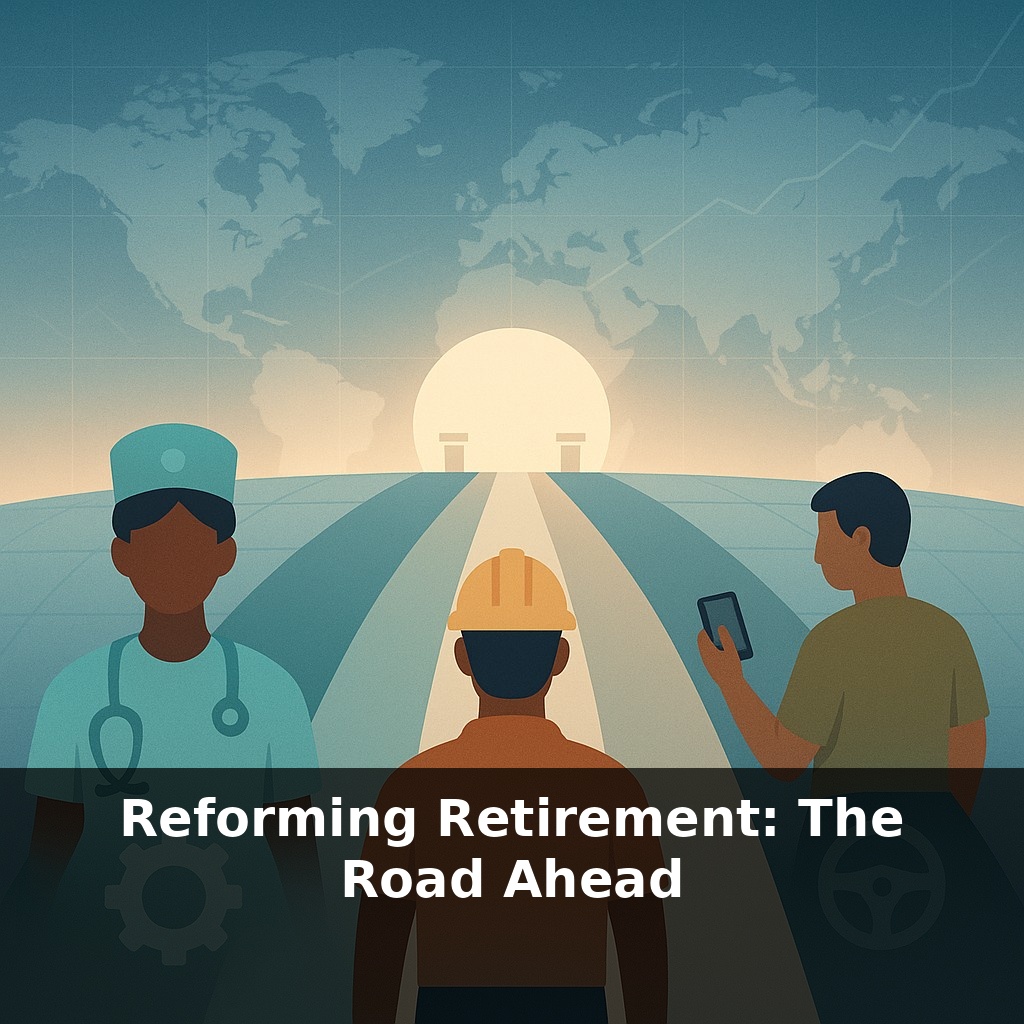
By the time today’s newborns retire, there may be barely two workers supporting each retiree. Now picture three people: a nurse in London, a factory worker in Mexico, a gig driver in Mumbai. Same goal—dignity in old age—totally different retirement roadmaps.
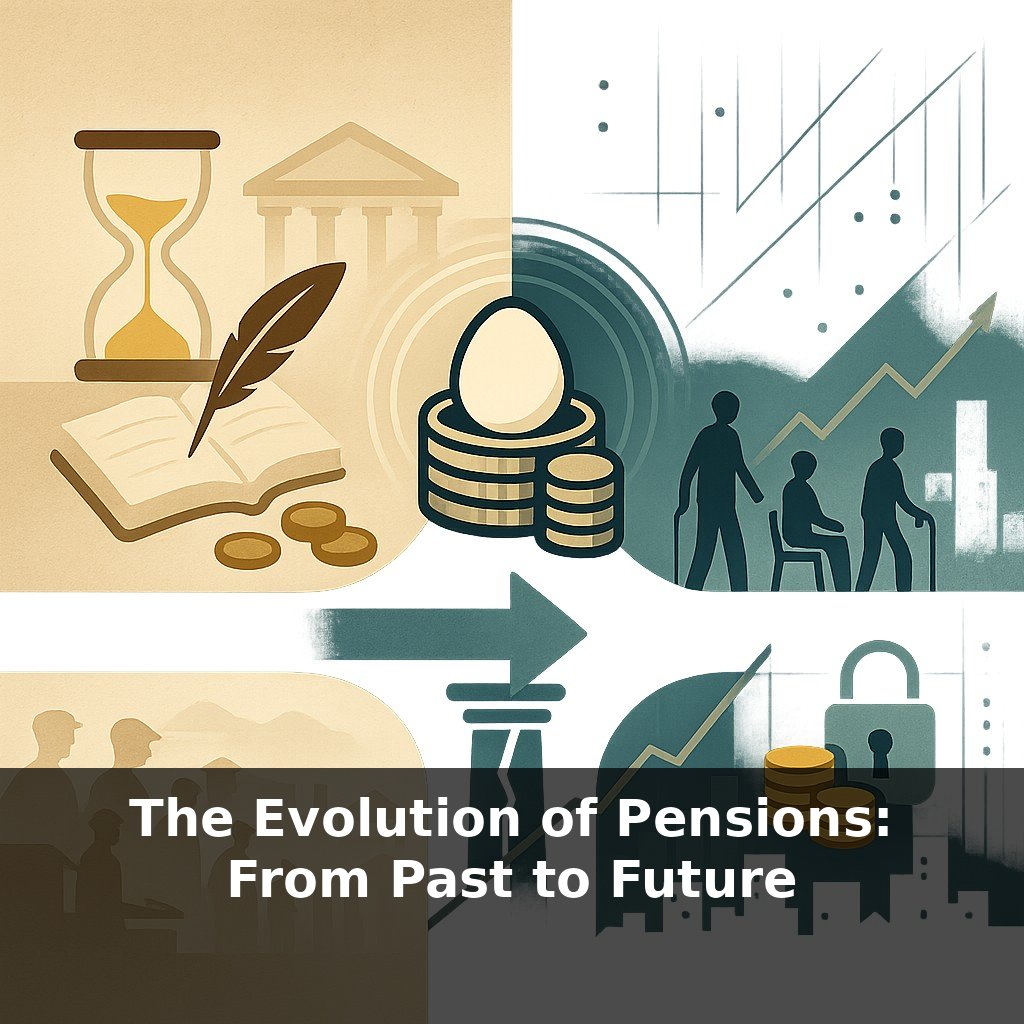
Governments are discovering that tiny tweaks are no longer enough; they’re being forced into a full redesign of how we finance life after work. Three big forces are colliding: people live longer, careers look less like ladders and more like zigzags, and public budgets are already stretched. Together, they’re pushing countries toward a new consensus about what “retirement” even means. In practice, reform debates keep circling back to four levers: when people can afford to stop working, who pays how much along the way, how to bring in those currently left out, and how to protect those who simply can’t save enough. The answers vary between, say, Lisbon and Lagos, but the direction of travel is surprisingly similar—and the trade-offs are getting harder to ignore.
A quiet revolution is underway: instead of asking “Can we tweak the rules?”, policymakers are asking “How should a life-long earnings journey be split between work, taxes and saving?” Longer study, mid‑career breaks, and gig work mean contributions now flow less like a steady river and more like irregular rainfall. Systems built for stable, full‑time careers are leaking: part‑timers miss out, carers fall behind, and low earners face hard choices between today’s bills and tomorrow’s income. Reformers are testing new mixes of later work, portable accounts and targeted top‑ups to plug those gaps.
“By 2050, in many rich countries there will be only about two workers for every retiree.” That blunt OECD projection is driving a very specific reform agenda: not whether to change pension systems, but how fast and how fairly.
The first lever is timing. Many countries are now hard‑wiring rising life expectancy into their rules, so the eligibility age creeps up automatically instead of jumping in political shocks. Denmark links its retirement age to longevity statistics; Italy and Portugal use “sustainability factors” that trim benefits as people live longer. The contentious part is not just *when* people can claim, but whether those with burnt‑out bodies or patchy careers get realistic early‑exit or disability routes.
The second lever is design. The classic promise—“work X years, get Y % of your wage for life”—is giving way to schemes where what you get depends on what you and your employer actually pay in and how investments perform. Sweden’s notional defined‑contribution model mimics an individual account while remaining pay‑as‑you‑go, spreading risk across generations. The Netherlands is shifting from collective guarantees toward flexible, individualised pots that still share some investment risk within a fund.
Coverage is the third front. Rather than begging people to sign up, governments are flipping the default. The UK’s auto‑enrolment, New Zealand’s KiwiSaver, and several US state programmes for small‑firm workers all use the same behavioural twist: you’re in unless you actively say no. Opt‑out rates are typically low, especially when default contribution rates are set at levels that feel painless short‑term but meaningful over decades.
Finally, reformers are thickening the safety‑net beneath all this experimentation. Australia’s age pension, the UK’s “new State Pension” plus means‑tested credits, and minimum‑pension guarantees in places like Chile aim to ensure that long lives don’t turn into long poverty spells for people with low wages, interrupted work or informal jobs.
Threaded through these changes are thorny questions: How much risk can individuals realistically bear? How transparent are fees and rules? And who helps people understand choices that may not pay off—or backfire—for 30 years or more?
In practice, reforms land very differently on individual lives. Think of a 63‑year‑old construction worker in Warsaw whose back is failing. As the pension age rises, his union negotiates “long‑career” rules so years on site count extra, letting him step out earlier without a huge income cliff. Meanwhile, a 45‑year‑old software engineer in Toronto sees her firm close its old defined‑benefit plan and move everyone into a group DC scheme; she now checks investment dashboards and fee levels as carefully as she once checked her salary band. In Nairobi, a ride‑hailing driver joins a mobile micro‑pension where every fare automatically skims a few shillings into an individual pot, matched by a modest state bonus if he contributes steadily for five years. Across these stories, the system is shifting from a one‑size promise to a patchwork of pathways that try to match messy careers, unequal health and very different appetites for risk.
Tomorrow’s systems may feel less like a single promise and more like a set of dials you can adjust across your life: working a bit longer after a career break, front‑loading savings in high‑earning years, or easing into part‑time roles instead of a hard stop. As jobs splinter into gigs and projects, pensions will need to follow people like a digital shadow, portable across borders and platforms rather than locked to one employer or country. The real test: can design keep up with lives that no longer fit neat, linear careers?
The next wave of reform won’t be designed only in parliaments; it will emerge from payroll apps, portable benefits for freelancers, and cross‑border rules that follow people like an international rail pass. Your future income may depend as much on default settings in software as on laws—so the real frontier is who controls those settings, and how visible they are.
Try this experiment: Log into your 401(k) or retirement account today and change just one thing—shift 5% of your current balance from a target-date fund into a low-cost index fund (or vice versa, if you’re already heavily in index funds). For the next 30 days, track how often you check your balance, how anxious or calm you feel (on a 1–5 scale), and whether the simpler setup makes you more likely to increase your savings rate. At the end of the month, compare your feelings and behavior to last month and decide which setup (more “hands-off” vs more “hands-on”) actually helps you stick to your long-term retirement plan.