What is FIRE? An Introduction
📝 Transcript
You could retire decades earlier than your parents, not by winning the lottery, but by changing how you handle an ordinary paycheck. On your commute, at your desk, or folding laundry, your money is quietly choosing a future for you. The real question is: who’s doing the choosing—you or default settings?
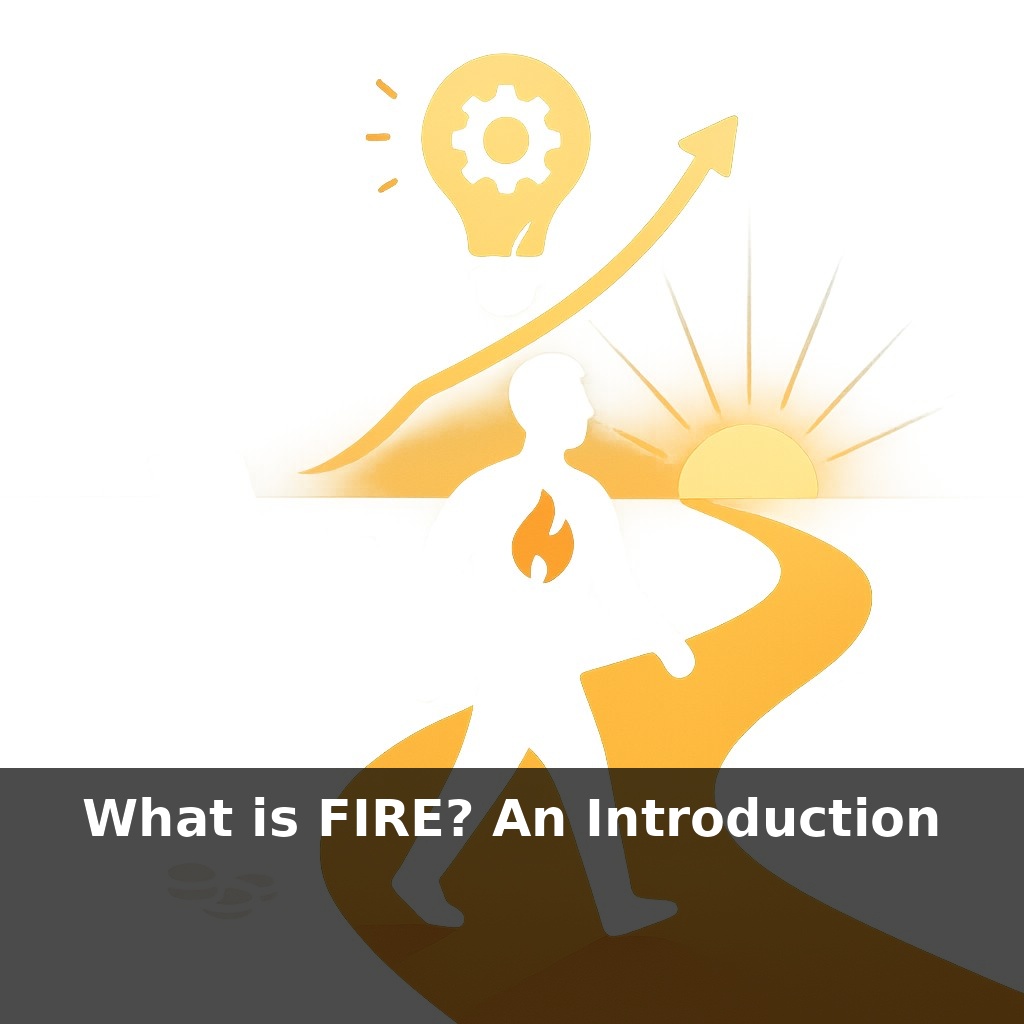
FIRE is the idea that work becomes optional not at 67, but whenever your invested money can reliably pay your bills. Instead of asking “How much can I spend from this paycheck?” FIRE flips it to “How much freedom can this paycheck buy me?” At its core, it’s a numbers-backed strategy to reach financial independence by stacking three levers: how much you save, how you invest, and how intentionally you spend.
This isn’t about extreme deprivation or flaunting spreadsheets. Many people pursuing FIRE still enjoy dinners out, travel, and hobbies—they’re just ruthless about paying for what they truly value and cutting the rest. Think of it less as a life of saying “no” and more as carefully choosing the “yeses” that matter. In this series, we’ll unpack how people actually do this in the real world: from savings rates and index funds to housing choices, career design, and the emotional side of leaving a conventional path.
FIRE lives at the intersection of math and meaning. On one side, there’s a clear numerical target—often 25–30 times your annual spending invested in low-cost, diversified assets. On the other, there’s the messy reality of how you actually want to live: where you’ll be, who you’ll be with, what a good day looks like. Before talking tactics, it helps to see FIRE less as a finish line and more as a design problem. You’re not just shrinking expenses; you’re reshaping your life so that your money, time, and values point in the same direction. That bigger picture will guide every decision we explore next.
FIRE starts getting real when you move from “interesting idea” to “this is a timeline I can actually influence.” To do that, you need to see what’s really driving the speed of the journey: your spending, your savings rate, and the return you earn on invested money.
A useful starting point is to separate identity from lifestyle. Many people bundle them together: “I’m a person who loves travel, so I must spend X per year on flights and hotels.” FIRE encourages you to un-bundle that. What do you really enjoy about travel—novelty, food, time with friends? How many cheaper ways exist to get the same feeling? The smaller your ongoing lifestyle cost, the fewer invested dollars you need to support it.
That’s why people in the movement obsess less about income bragging rights and more about “years to freedom.” Two households on the same salary can be on completely different paths: one saving 10 %, one saving 50 %. Even without exact math here, the pattern is clear: as the saved share of your income rises, your dependence on that income falls, and the finish line moves toward you much faster.
The second driver is how you treat your investments. The research you sometimes hear about—like the Trinity Study that inspired the 4 % rule—didn’t assume magical stock-picking skills. It assumed sticking to a simple mix of assets over decades. High-fee products quietly skim off potential progress, which is why low-cost options have become such a pillar of this approach. The gap between a 0.09 % fee and a 0.68 % fee doesn’t sound dramatic in a single year, but stretched over 20 or 30 years, it compounds into a meaningful difference in how soon work can become optional.
The third driver is flexibility. People often picture a rigid, once-and-done plan, but most successful FIRE stories evolve. Some choose “Coast FI,” building enough early that later they can take lower-paying but more enjoyable work while the previous savings grow. Others aim for a version where they reach a solid base and then layer on part-time projects, small businesses, or consulting.
Pursuing this path is less about copying someone else’s numbers and more about discovering your minimum enjoyable lifestyle—what feels good and sustainable, not bare-bones. From there, every deliberate choice you make about spending, earning, and investing becomes a lever that reshapes how many more years you’re trading for money.
Think of FIRE more like rewiring a house than flipping a single switch. One person might start with the “kitchen”: they keep the same job but overhaul food habits—bulk cooking on Sundays, trading takeout for shared dinners with friends, redirecting the difference into a brokerage account. Another starts with “lighting”: they negotiate remote work, move to a cheaper city, and suddenly every dollar of existing savings stretches further.
You’ll see very different blueprints. A software engineer earning a high salary might hit lean FI in her 30s by renting a small apartment, biking everywhere, and funnelling bonuses into low-fee funds. A teacher, with a modest income but strong pension, might blend partial FI with summers spent on paid tutoring or passion projects, reducing how much investment income he actually needs.
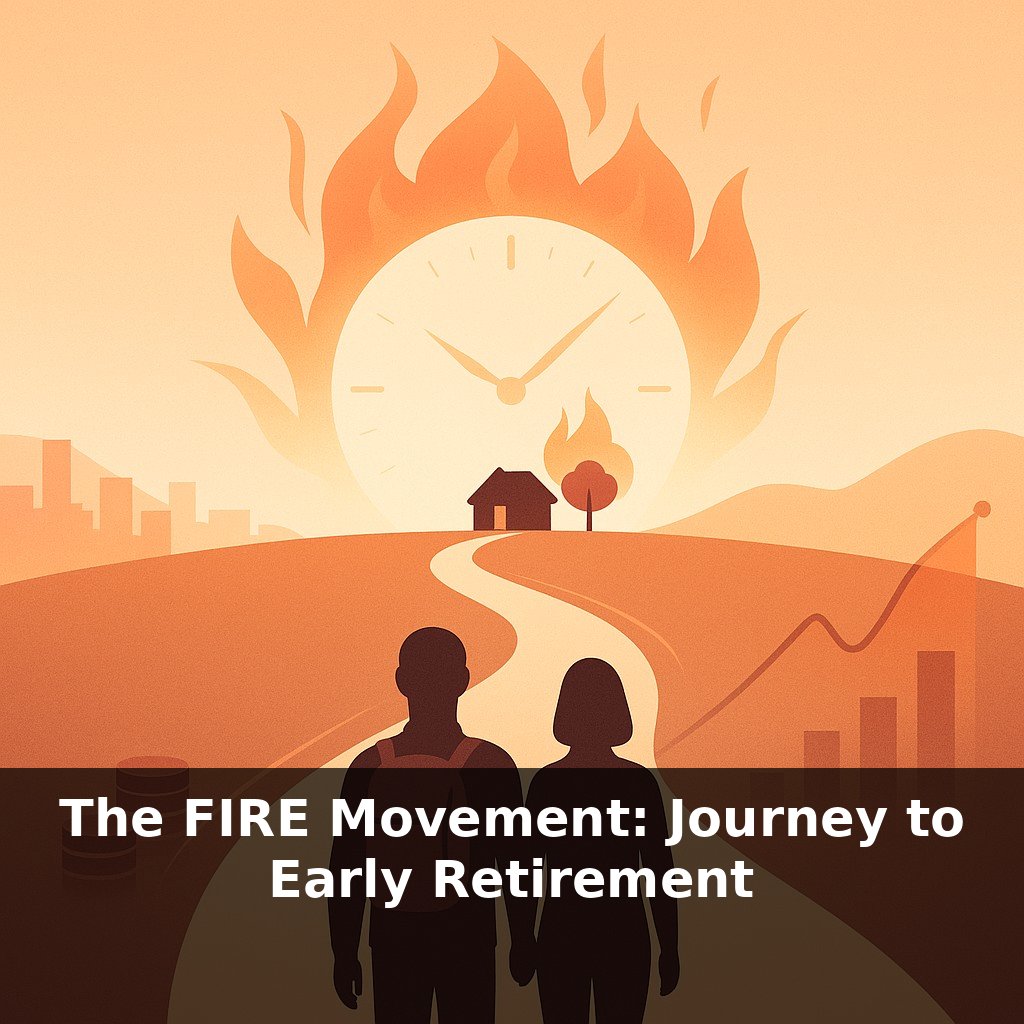
Some people treat FIRE as a sprint to exit, others as a series of checkpoints: pay off debt, fund a one-year sabbatical, shift to four-day weeks. The common thread isn’t identical numbers—it’s treating each life choice as a design decision that can tilt the odds toward more freedom.
FIRE’s next chapter may feel less like “early retirement” and more like custom-built lives. As tools improve—tax-aware apps, robo-advisors, even AI “co-pilots”—the barrier to sophisticated planning drops. Expect more people to treat work like adjustable sliders instead of an on/off switch, dialing hours or projects up and down as markets, policies, and family needs shift. The real frontier isn’t bigger portfolios; it’s finer control over how you trade time, energy, and attention.
You don’t have to commit to a full FIRE blueprint today. Treat this like testing a new recipe: adjust one ingredient at a time—maybe a small shift in spending, a trial investment account, or a micro‑sabbatical—and watch how it feels. Over the series, we’ll explore tools, tradeoffs, and real stories so you can sketch a version that fits your life, not someone else’s.
Start with this tiny habit: When you open your banking app to quickly check your balance (like you already do), tap into the “transactions” tab and mark just **one** purchase from yesterday as either “Need” or “Want” by adding N or W in the notes. Do this once a day for a week so you start seeing, with almost no effort, how much of your spending is optional—this is your real FIRE fuel. After a few days, glance at the “W” items and ask yourself, “Would I rather have this or be one day closer to work-optional?” and leave it at that—no budget spreadsheets, no big changes yet.
From this course
The FIRE Movement: Journey to Early Retirement
7 episodesUnlock all episodes
Full access to 7 episodes and everything on OwlUp.
Subscribe — $1.99/monthLess than a coffee ☕ · Cancel anytime