A typical American saves about a nickel of every dollar they earn. Some people quietly save more than half. No lottery win, no seven-figure salary—just ruthless choices about rent, cars, and groceries. Today, we’re stepping inside one of their ordinary, yet radical, days.
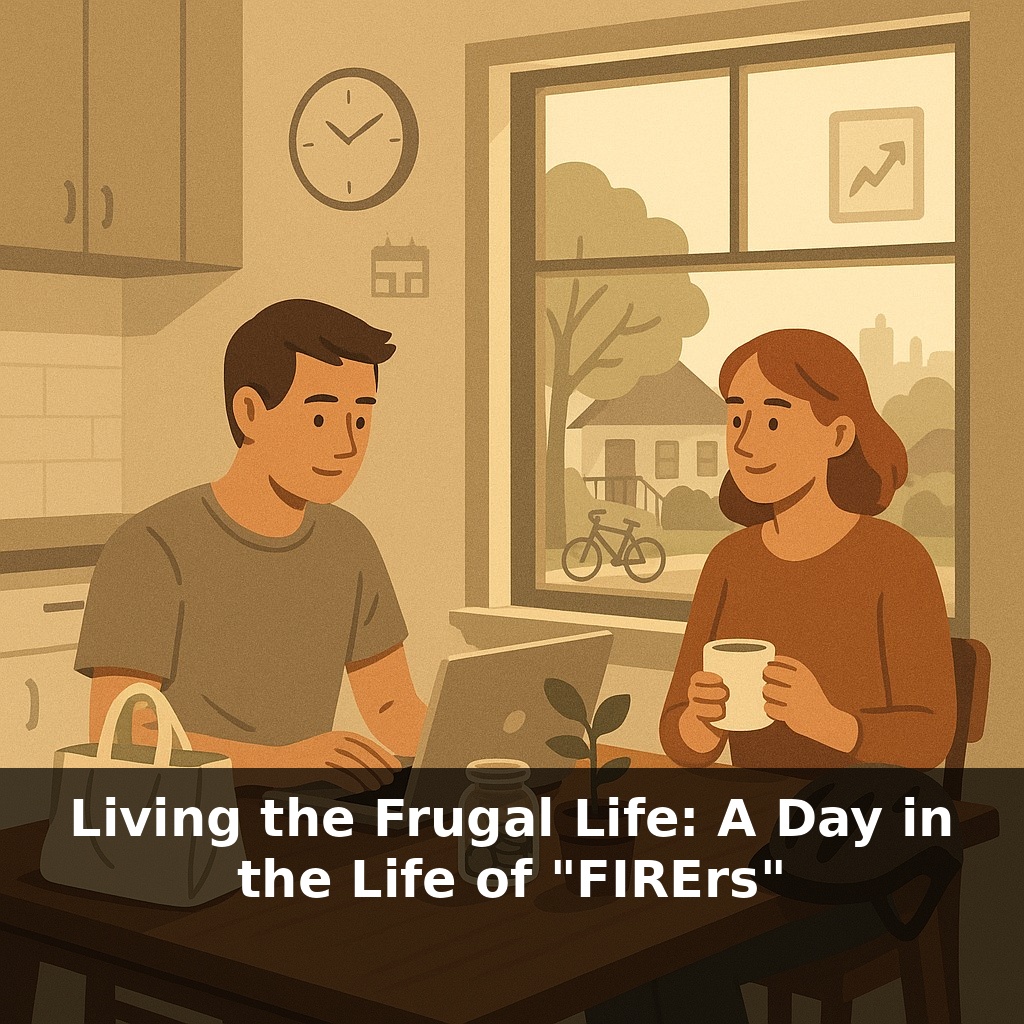
The alarm goes off, but there’s no mad rush for a commute across town. Our FIRE household still works—but the day isn’t built around their boss’s calendar. It’s built around three quiet, compounding choices: where they live, how they move, and what they put on their plate. The car in the driveway is paid off and a little boring. The apartment is smaller than friends expect, but walkable to nearly everything. Breakfast is as unflashy as it gets—oats, coffee at home—not because they’re “cheap,” but because every avoided swipe of the card is already spoken for. In the background, an invisible conveyor belt moves money from each paycheck into low-fee index funds. No stock-picking, no charts at midnight—just a system humming along while they decide whether today’s “splurge” is an extra avocado or an extra hour of reading before work.
By mid-morning, the shape of their life looks different in small, almost boring ways. Lunch isn’t a grab-and-go mystery; it was portioned out on Sunday, next to a spreadsheet that quietly decides where each dollar will live next month. Their calendar blocks “library run” instead of “mall trip.” Subscriptions get a quarterly review the way some people check fantasy football stats. When friends pitch pricey plans, they’ll often counter with a cheaper twist—board games instead of bars, potluck instead of prix-fixe. None of this feels like punishment; it feels like trading impulse upgrades for permanent flexibility later.
By late afternoon, the “ordinary but radical” nature of their day becomes clearest in the decisions most people don’t even notice themselves making.
The workday wraps, but there’s no stress-fueled Amazon scroll or “I deserve this” stop at a trendy shop. Instead, they run through a simple script they’ve used so often it’s almost muscle memory: “Do I already own something that does 80 % of this job? Can I borrow it? Can I wait a week?” Most wants die quietly at that third question. The ones that survive usually turn out to be worth it.
Where others default to upgrades, they default to “good enough.” The phone isn’t replaced until it breaks. Furniture is a mix of Craigslist finds and hand-me-downs. Vacations lean toward off-peak flights, travel hacking with points, and staying with friends or in small rentals instead of splashy resorts. They still travel; they just strip out the parts that only exist to impress strangers.
Their evenings often have a second “shift,” but not of paid work. This is where they build what will eventually replace their paycheck: skills and assets. One night it might be learning bookkeeping to help with a tiny side business. Another, deep diving into tax rules so they can keep more of what they already earn. They’ll batch life admin—price-shopping insurance, renegotiating internet, optimizing credit card rewards—into a single block, then ignore it for months. These aren’t hobbies, exactly; they’re levers.
Socially, they curate their circle as carefully as their budget. They’re not avoiding big-spending friends, but they are seeking out people who think it’s normal to talk about effective tax brackets or cost-per-use of a purchase. In that crowd, it’s easier to say “I’m skipping this $200 weekend, but I’m in for hiking and homemade tacos next week.”
Underneath it all is a numbers habit. Once a week, they glance at a simple dashboard: monthly expenses, investing contributions, progress toward “25× annual spending.” They’re not checking stock tickers; they’re checking how many years of freedom they’ve quietly bought since last month. Progress is slow at first, then disorientingly fast. A small raise doesn’t become a nicer car; it becomes several months shaved off the timeline.
Your challenge this week: For seven days, live like a FIRE anthropologist. Don’t copy; observe. Each evening, write down three “default” money decisions you made without much thought—where you clicked “buy,” when you chose convenience, when you upgraded automatically. For just one of those per day, pause and script an alternate version the way a FIRE household might handle it—delay, downgrade, or delete. You don’t have to follow the script yet. The goal is to train your eye to see the quiet forks in the road they’re using to leave the traditional 40-year path.
Think of their day as a series of “tiny design decisions” that quietly favor future freedom over present friction. When a work trip pops up, they’ll often volunteer to share a room or pick a hotel with free breakfast—not for the free toast, but because reimbursements can offset other travel later. At home, they might route all “non-essential but fun” spending through a single card chosen for its travel rewards, then mentally treat those points as a future airplane ticket already half-earned.
Their hobbies are chosen with an eye on a second payoff. Someone who loves photography doesn’t just buy a nicer lens; they learn basic editing, post a small portfolio, and take on a couple of paid shoots each quarter. A love of cooking quietly morphs into mastering a few “dinner party” dishes that make hosting the default social plan. Even their tech use is deliberate: a shared family calendar notes “big annual expenses” months ahead, so nothing feels like an emergency. Over time, their life starts to feel less like reacting to bills and more like running a well‑tuned, freedom‑focused project.
As more people live this way, whole systems start to bend. Employers may quietly favor those who treat money like stamina, not a high score—taking roles for learning or flexibility, not titles. Communities of “enough”‑seekers could normalize gear swaps, shared tools, and lending libraries the way gyms normalized shared equipment. Money apps might evolve from expense trackers into “freedom planners,” surfacing trades like, “Lose one streaming service, gain two weeks off at 55.”
Freedom in this life doesn’t arrive with a drumroll; it sneaks in through smaller stakes: saying yes to a slower afternoon, testing a one‑car household, experimenting with a month of library-first entertainment. Over time, those experiments stack like bricks, and one day the wall is high enough that quitting, coasting, or changing lanes feels boringly possible.
Try this experiment: For the next 7 days, live on your “FIRE future budget” as if you’d already reached financial independence—use the exact grocery list, cooking at home routines, no-commute transportation choices (bike, walk, or public transit), and screen-time limits the episode’s FIRErs described. Track every time you’re about to spend in your “old life” way (takeout, rideshare, impulse Amazon buy) and force yourself to choose the FIRE-style alternative instead. At the end of each day, quickly rate (1–5) how content you felt living this way and how hard it was; after a week, see which habits felt surprisingly easy to keep and which ones felt miserable or unrealistic.