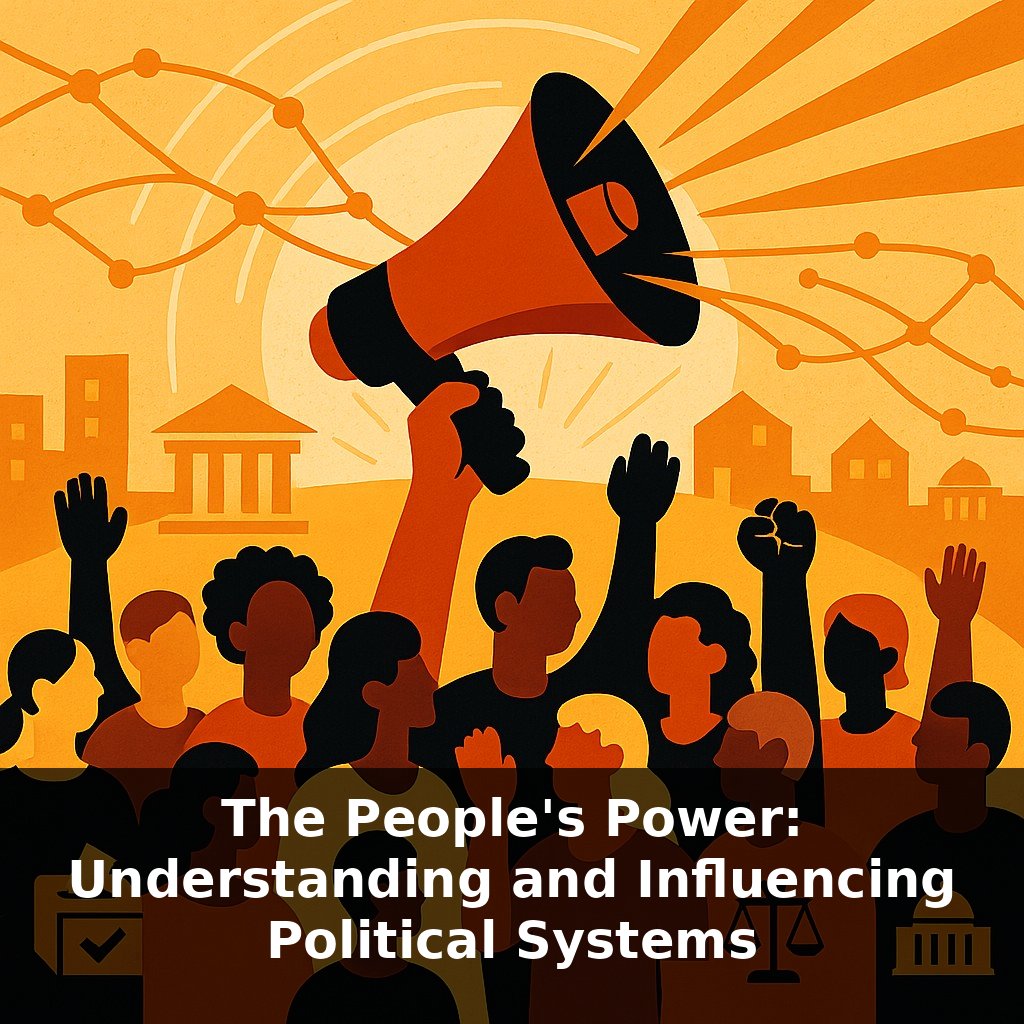
A single tweet with three words—Black Lives Matter—explodes into tens of millions of echoes across the world. A teenager sits alone with a protest sign; months later, students strike on every continent. How do tiny, local sparks swell into forces that bend the arc of history?
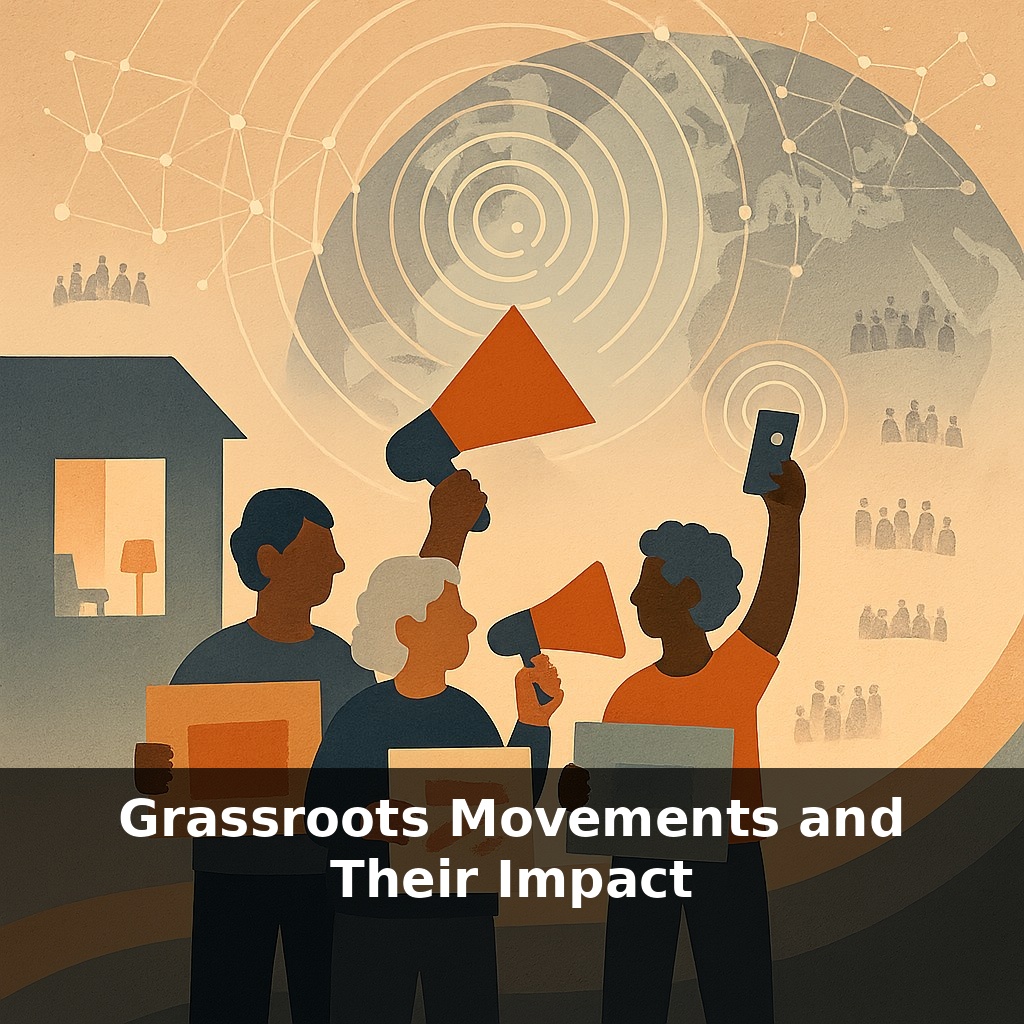
Movements like these rarely begin with a headline or a hero; they usually start with something much smaller and messier: a neighbor’s living room filling up with folding chairs, a group chat that won’t stay quiet, a petition drafted on someone’s lunch break. At first, they can feel fragile and improvised, more like a jam session than a polished concert. But inside that roughness are three powerful ingredients: people who feel a shared “enough is enough,” simple stories that clarify what’s wrong and what should change, and loose networks that stitch scattered efforts into something coherent. Sometimes they stay local, winning a policy change at a city council meeting. Sometimes, because the story speaks to a deeper, widespread frustration, they leap borders and languages, turning local grievances into a common cause that many different communities can own in their own way.
Sometimes these efforts stay invisible to outsiders for years, like a band rehearsing in a basement before anyone hears a single track. Organizers test tactics, fail quietly, and learn the unwritten rules of their city—who shows up, who hesitates, which doors are always closed. Then an event hits a raw nerve, and those half-formed practices suddenly matter: someone already knows how to run a meeting, another can speak to local media, another has trust in a key neighborhood. Digital tools accelerate this shift, turning local skill and memory into coordination that can jump scale in days.
When those early, clumsy meetings start to gain momentum, three questions quietly decide whether they’ll matter beyond the room: Who feels ownership? How is the story framed? And can the effort grow without snapping?
Ownership sounds abstract, but you can see it in tiny details: who sets the agenda, who speaks, who does the unglamorous work. Movements that last rarely feel like someone else’s project being “brought in.” They grow out of existing relationships—church groups, campus circles, tenants’ associations—so that people see their own fingerprints on every decision. That’s why outside NGOs parachuting in with ready‑made campaigns often struggle; they bring resources, but not roots.
Framing is about choosing which parts of reality to spotlight. The same housing protest can be told as a story about “law and order,” “corruption,” “human dignity,” or “economic fairness,” and each frame attracts a different mix of supporters and opponents. Effective organizers experiment: they test slogans at doors, in comment sections, at family gatherings, listening for which words unlock uncomfortable nods instead of polite silence. They also simplify without oversimplifying—clear enough for a chant, honest enough to survive scrutiny.
Scaling is the hardest part. Growth brings new energy and new headaches: internal disagreements, burnout, attention from hostile media or governments. Research by Erica Chenoweth and others shows that movements relying on mass, visible, non‑violent participation tend to win more often, partly because they can welcome a broader range of people: parents with kids, elders, those who can’t risk arrest or violence. But inclusiveness must be organized, not assumed—childcare at meetings, translation, accessible spaces, shared decision tools.
Digital tools can act like a sudden highway system between neighborhoods, but highways alone don’t guarantee safe travel. Movements that use them well pair fast online amplification with slow, patient offline organizing—door‑knocking, phone trees, mutual aid—so that viral moments plug into real-world capacity instead of evaporating as outrage without infrastructure.
Think of Tunisia’s 2011 uprising or the youth-led climate strikes as case studies in how small circles can redraw big maps. Before anyone marched, there were years of quiet conversations in cafés, student clubs, and professional associations, where people compared notes on what felt intolerable and what might be possible. When protesters finally filled streets in Tunis, they weren’t just reacting; they were drawing on invisible scaffolding: lawyers ready to contest arrests, journalists willing to publish risky stories, neighborhood elders able to calm panicked families. Something similar happened when Fridays for Future spread: local groups translated a broad demand into concrete targets—a coal plant here, a city transport plan there—so each action had a specific lever to pull, not just a slogan to repeat. This is where movements become more than protests: they start drafting policy proposals, training new leaders, and building alliances with unions, faith communities, or small businesses that can turn moral claims into institutional pressure.
New tools will reshape who gets heard. AI translation might let a village petition speak to a global audience overnight, while deepfakes and bots blur what’s trustworthy. Crowdfunded legal defense funds can turn small donations into real protection, much like many small streams feeding a river strong enough to move stone. Your city council, school board, or workplace may feel distant now, but they’re likely to become the frontlines where these pressures collide—and where new forms of consent are negotiated.
You don’t need a megaphone to matter; you need a place to start. Movements often begin with quiet experiments: a neighbor mapping unsafe crossings, coworkers comparing pay, students logging school heat levels during heatwaves. Your challenge this week: notice one recurring local problem, ask three people how it affects them, and sketch one small change you’d actually try.