A sneaker drop disappears in under a minute. A hotel website flashes “only a few rooms left.” Your heart rate jumps a little. You weren’t sure you even wanted it—until it was almost gone. Why does “running out” instantly make something feel more valuable than it did a moment before?
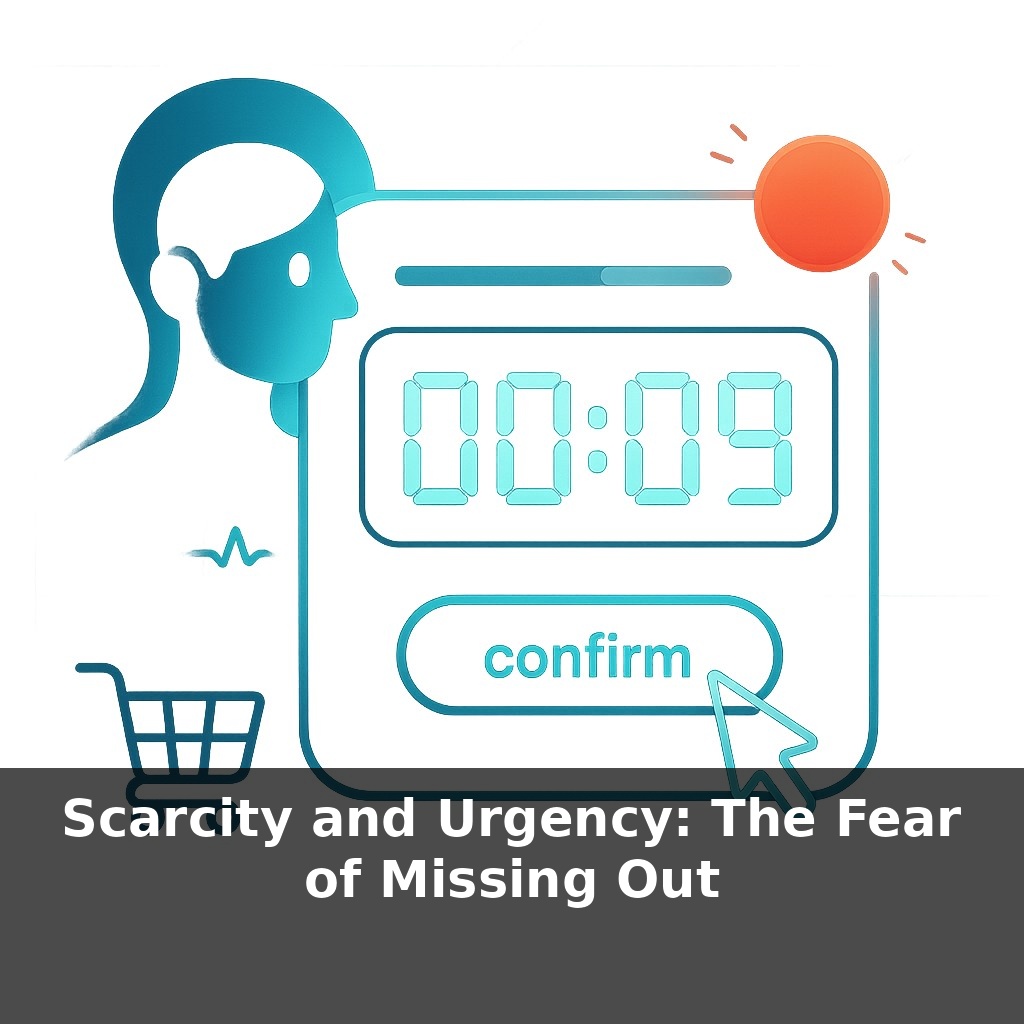
A countdown hits 00:09 on a checkout page. A tiny red label says “Last chance.” You feel a subtle jolt—*decide now*—even if you were just browsing. This isn’t just clever design; it’s your brain switching from “consider” to “secure.” In earlier episodes, we looked at how prices can be shaped by comparison and charm endings. Now we zoom in on something more primal: the moment time and quantity start to vanish.
Marketers stack cues—ticking timers, low-stock flags, “limited drop” tags—not just to inform you, but to compress your decision window. Add a dash of social proof (“127 people are viewing this”) and the internal pressure spikes. You’re no longer weighing options; you’re defending against loss. And in that narrow gap—between calmly wanting and urgently needing—is where a huge share of modern revenue is made.
Retailers don’t rely on a single nudge; they layer them, the way a DJ builds tension before a drop. A flash sale banner sets the tempo, then an email says “ends tonight,” and a push notification lands just as you’re scrolling on your commute. Each touchpoint is timed to catch you when your willpower is thinnest—late at night, between tasks, or when you’re already in “treat yourself” mode. Behind the scenes, teams watch dashboards in real time, tweaking deadlines, stock thresholds, and wording based on live response, constantly testing how close they can bring you to the edge of clicking “buy now.”
FOMO kicks in from two angles at once: your survival brain and your social brain. The survival side is ancient—wired for “grab berries now before the other tribe does.” The social side is newer and more fragile: it scans for signals about what “people like me” are doing and dreads being the one who missed the memo.
That’s why limited-time and limited-quantity offers don’t just feel urgent; they feel *personally risky* to ignore. You’re not calmly weighing pros and cons; you’re gambling on whether you’ll regret this later. Loss aversion—our tendency to hate missing out more than we enjoy saving money—tilts the table. The product hasn’t changed. The *story in your head* about the future has.
Marketers quietly shape that story. They decide how specific to be (“Only 2 left”), how visible competition should feel (“32 people have this in their cart”), and how close the deadline appears. Push it too far—fake counters, endlessly extended “last day” sales—and people eventually notice the pattern. The moment customers sense the game is rigged, trust drops faster than conversions ever rose.
The data side is surprisingly sober. Teams run controlled tests to see, for example, whether “Sale ends in 3 hours” outperforms “Sale ends Sunday,” or whether showing exact stock numbers outperforms a vague “going fast.” Across platforms, those tweaks routinely lift conversions 10–35%. Yet the most sustainable wins tend to come when the constraint is *real*—limited capacity in a workshop, a genuine production run, a fixed number of event seats.
Think of it like managing a scarce investment fund: if every “exclusive opportunity” is actually limitless, the whole category devalues. But when access is truly constrained, people pay attention, allocate budget, and feel satisfied when they get in—because they know not everyone could.
The paradox: the same tools that can manipulate also clarify. Transparent limits help people prioritize. The art in pricing is using FOMO to focus decisions, not to bulldoze them.
A small indie cosmetics brand quietly tests two email campaigns. Version A: “New shade now available.” Version B: “First 500 orders ship with a signed artist card.” Same price, same product, but the second creates a concrete ceiling: if you wait, you might still buy the lipstick, yet you’ll lose the *experience* attached to being early. That subtle shift—from “buy this thing” to “join this moment”—often moves the needle more than louder discounts.
A travel SaaS startup tries something similar with beta access. Instead of “Sign up for early access,” they cap onboarding to 50 accounts per week and publish a simple queue number. Users don’t see a vague rush; they see their place in line, which feels more like an airline upgrade list than a carnival trick. Some even brag about “getting in on wave one,” turning a scheduling constraint into a status story.
Used this way, limits don’t just accelerate decisions; they create small stories people like retelling.
As AI tunes offers to your habits, FOMO stops being a blunt countdown and starts behaving like a mirror: showing up when you’re tired, bored, or most likely to say “oh, why not.” In mixed‑reality shopping, you may watch avatars “snap up” the last sizes, like seeing other investors rush into a stock you’ve been eyeing. Expect regulators to ask, not “Is this urgent?” but “Is this *true*?” Brands that win will treat limits more like promises than tricks.
FOMO won’t vanish; it will just get quieter and smarter. The real choice is how you relate to it. Do you let passing deals steer your wallet like sudden weather, or do you treat them like waves against a pier—noticed, measured, rarely in charge? Your challenge this week: notice one moment you *don’t* click, and ask what story you chose instead.