 2min preview
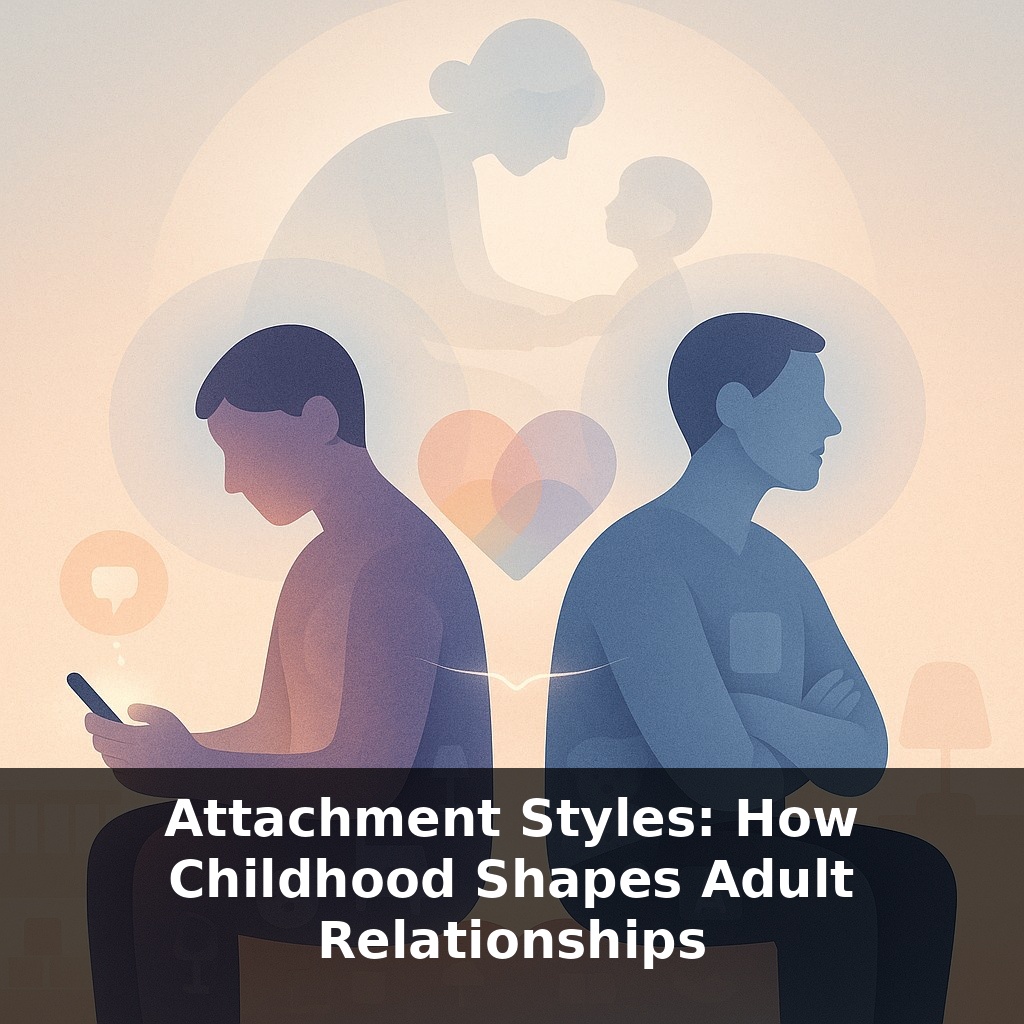
Attachment Styles: How Childhood Shapes Adult Relationships
📝 Transcript
About half of adults feel basically secure in love… and the rest are quietly bracing for impact. One person panics if a text goes unanswered. Another feels smothered by “I love you.” Same relationship, totally different inner worlds. Why do our hearts play by such different rules?
Some of this starts long before first crushes or dating apps—back when your “relationship experience” was snack time, bedtime, and scraped knees. Those early thousands of tiny moments with caregivers quietly taught your nervous system what love tends to feel like: Do people come when I call? Do they stay kind when I’m a mess? Is closeness usually safe, or does it come with a cost? Over time, your brain turns those answers into a kind of predictions engine, auto-filling what you expect from friends, partners, even bosses. That’s why the same neutral “we need to talk” text can register as comfort, threat, or pressure, depending on your history. This isn’t about blame or being “broken”; it’s about patterns your body learned to survive. The real twist: those settings are powerful, but they’re not permanent. In this episode, we’ll unpack how they form—and how they can change.
Think of childhood like the “training season” for connection: not one big dramatic game, but a long series of tiny drills. Who picked you up from school, how adults argued (or never did it in front of you), whether anyone noticed when you went quiet—your attachment style is shaped less by one-off events and more by the emotional *average* over years. Two kids in the same house can even walk away with different blueprints, depending on birth order, temperament, or which adult they relied on most. That’s why siblings can tell wildly different stories about what “love in our family” felt like—and carry those differences into adult relationships.
Subscribe to read the full transcript and listen to this episode
Subscribe to unlockSubscribe for $1.99/month to unlock the full episode.
Unlock all episodes
Full access to 7 episodes and everything on OwlUp.
Subscribe — $1.99/monthLess than a coffee ☕ · Cancel anytime