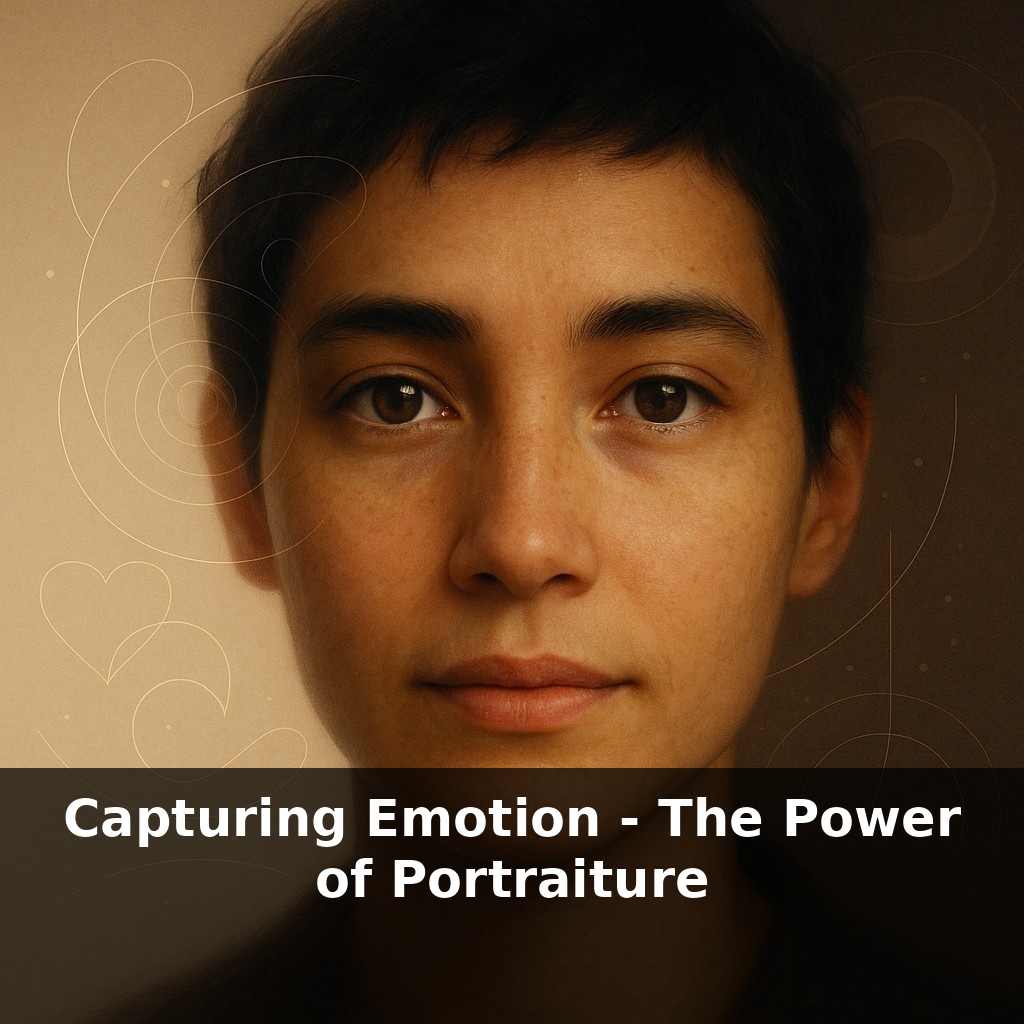
A single photograph of a stranger’s face can raise millions for charity, sway an election, or shift how we see an entire community. Yet on the surface, it’s just a person looking at a camera. So here’s the puzzle: what invisible ingredients turn that simple moment into real emotional power?
Some clues come from science, others from street-level instinct. Eye‑tracking studies suggest we’re hard‑wired to search a portrait for the eyes first, like opening a book at the most underlined page. Psychologists talk about “micro‑expressions” that flash across a face in fractions of a second—tiny giveaways of what someone really feels—and great portrait photographers learn to notice and time their shutter to those flickers. But the camera isn’t doing this alone. Conversation choices, silence, even the photographer’s posture all shape whether a subject’s guard drops. Think of the way a good barista can draw out a customer’s real mood in 30 seconds of small talk. In the next sections, we’ll dig into how light, lens choice, and timing quietly steer what viewers feel before they’ve even processed why.
Beyond those split-second expressions, an emotive portrait grows from everything that happens before and after the click. The room you choose, the music (or quiet) in the background, whether you’re shooting in a cramped hallway or an open field—all of it leaks into the subject’s body language. Clothing and props matter too, not as costumes, but as extensions of a story: a battered notebook, paint‑stained hands, a favorite jacket that only comes out on meaningful days. Think of these choices less as decoration and more as context, like the paragraphs surrounding a single charged sentence in a novel.
In practice, the emotional weight of a portrait often comes down to what happens in the “in‑between” moments—after the pose breaks, before the next one is set. Many photographers quietly watch those seconds like a musician listening for the pause between notes. That’s when people exhale, adjust their collar, roll their eyes, or laugh at themselves. Those tiny self‑corrections can reveal more honesty than anything you could direct.
Direction, then, works best as a conversation rather than a script. Instead of, “Tilt your head. Look serious,” you might say, “Tell me about the last time you felt completely out of your depth,” and stay ready. You’re not trying to mine trauma; you’re giving the person something real to respond to. Their face will often shift three or four times as they search for an answer. Any one of those transitions might be the portrait.
Psychological safety is the real “expensive gear” in this genre. People sense whether they’re being seen or inspected. Simple habits help: sharing a bit of your own vulnerability, showing them the back of the camera and asking what feels like “them,” letting them veto anything they hate. When subjects feel some control, they’re more willing to step into emotionally exposed territory.
Space also shapes expression. A crowded street corner invites a different self than a quiet doorway two blocks away. Some photographers walk with their subject before shooting, using the movement as a pressure valve. By the time they stop and raise the camera, the first‑date awkwardness has softened into something closer to how the person stands when nobody is watching.
Even technically “perfect” frames can fall flat if they contradict who the person is. A shy client forced into a bold, confrontational stare will usually look like they’re wearing someone else’s face. You’re aiming for alignment: the story they tell you, the way they hold themselves, and the way you choose to frame and light them should all be pulling in roughly the same emotional direction.
Your own state seeps into the work too. Rushed, tense photographers tend to make rushed, tense portraits. Some quietly build a pre‑shoot ritual—checking settings, choosing music, a few breaths—to arrive calm enough that the person in front of them can relax into that atmosphere.
Think about three very different sessions. First, a CEO in a glass office, phone buzzing every thirty seconds. The portraits that work don’t fight that energy; they lean in. You might have her stand at the window between calls, city reflected in the glass, catching the split-second when her “public face” drops and she’s just a tired strategist plotting the next move.
Next, a teenager in their bedroom—posters, plants, half-finished art everywhere. Here, you don’t tidy the chaos; you edit it. Shift a lamp, open the curtains, and frame them on the floor among sketchbooks so their world feels like it’s quietly rising around them.
Finally, someone on the street for a personal project. Maybe you’ve spoken for three minutes. Instead of a quick snap, walk with them to where they were headed. Ask where they feel most “themselves” on this block. Stairwell? Corner shop doorway? Let them choose. That small decision often changes their posture more than any pose you could direct.
Deep fakes and AI “portraits” will only amplify a long‑standing question: how much does a portrait owe the truth? Soon, cameras may auto‑tune faces to match a detected mood, while algorithms flag which frames will trigger the most clicks or donations. That raises awkward choices—do you share the image that feels truest to the person, or the one most likely to move a crowd? Like editing a diary for publication, portraiture will demand clearer lines between private honesty, public narrative, and outright fiction.
In the end, the most resonant portraits feel less like trophies and more like postcards from an encounter. They hint at who stood behind the camera as much as who stood in front of it. As you keep shooting, treat each session as unfinished research: a chance to test how small shifts in trust, place, and story might reveal a slightly truer version of a face.
Before next week, ask yourself: 1) The next time you photograph someone, what’s one emotion you genuinely want to reveal about them (curiosity, pride, vulnerability, quiet joy), and how will you guide your questions or conversation before shooting to bring that specific feeling to the surface? 2) When you look at your recent portraits, which images actually make you *feel* something, and what was different about how you connected with that person—location, lighting, timing, or the kind of story you asked them to share? 3) If you scheduled a 15-minute “emotion-first” mini-portrait session this week with a friend or family member, how would you set it up—from where you place them, to what you ask them to remember or talk about—to let their real, unpolished expression show up in front of your lens?