 2min preview
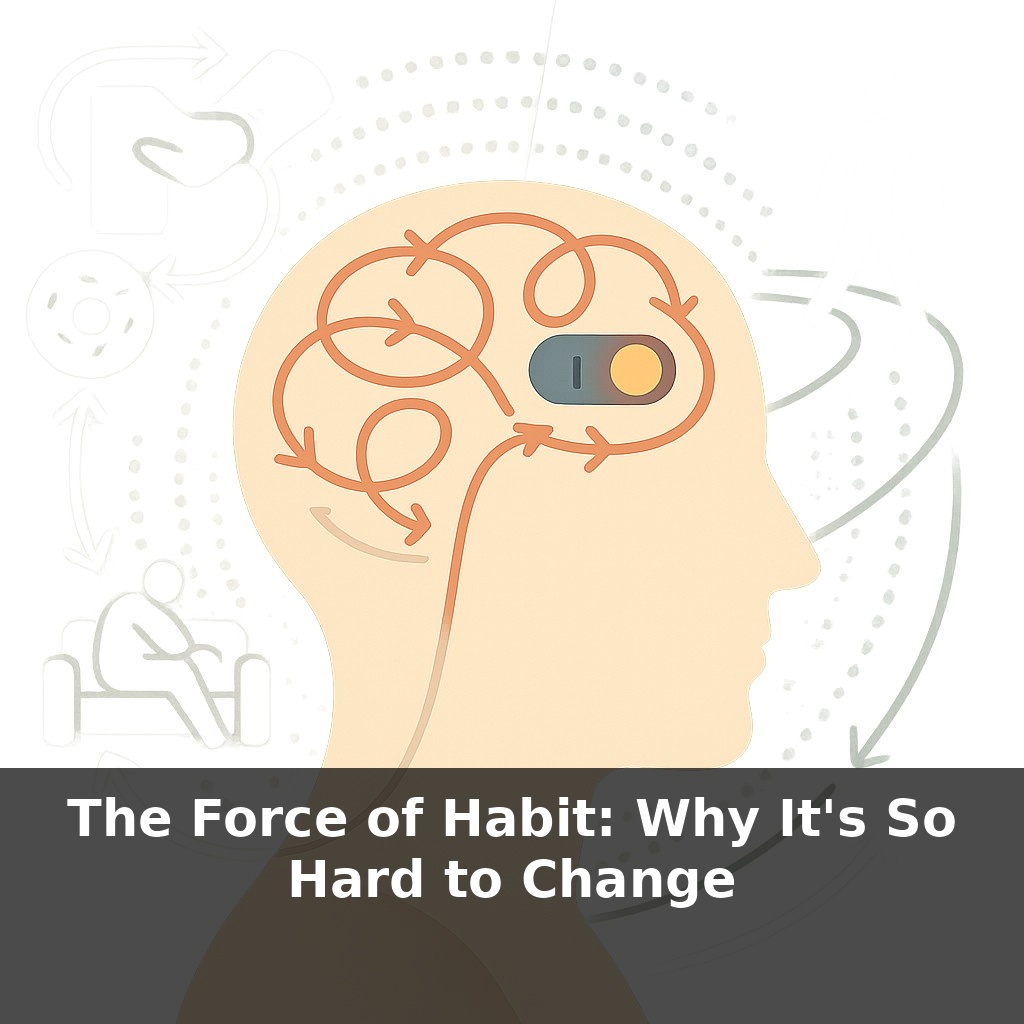
The Force of Habit: Why It's So Hard to Change
📝 Transcript
About half of what you did today, your brain doesn’t consider a “decision” at all. You reached for your phone, your snack, your default reply—without really choosing. So here’s the puzzle: if habits are running the show, who’s actually in charge of your life?
So if so much of your day runs on automatic, why do those “I’ll start tomorrow” plans collapse by Wednesday? It’s tempting to blame weak willpower or bad character, but the real story is less moral—and more mechanical. Your brain quietly prioritizes whatever is fast, familiar, and easy to access in the moment, even when your long-term goals are louder on paper. Think of that moment you swear you’ll cook more, then end up in the drive‑thru with your gym bag still in the car. It’s not that your goals vanished; they just lost the speed contest. The environments, timings, and emotional states that surround your routines act like backstage crew, silently setting the stage for what you’ll do next. To change the script, you have to tinker with that backstage—where you are, what you see, and how you feel—rather than just giving the lead actor a more inspiring speech.
Here’s where it gets tricky: the same brain systems that quietly automate your day are also optimized to **save energy**, not to make you “better.” They’ll favor what’s familiar over what’s meaningful, especially when you’re tired, stressed, or overloaded. That’s why big life overhauls so often snap back to old patterns once the initial motivation fades. You weren’t just fighting an urge; you were bumping into an efficient, well‑worn neural shortcut. To change it, you don’t need louder promises—you need smaller, repeatable moves that are easier for your brain to run than the old script. In practice, that means reshaping situations, not just intentions.
Subscribe to read the full transcript and listen to this episode
Subscribe to unlockSubscribe for $1.99/month to unlock the full episode.
From this course
Why We Do What We Do
7 episodesUnlock all episodes
Full access to 7 episodes and everything on OwlUp.
Subscribe — $1.99/monthLess than a coffee ☕ · Cancel anytime