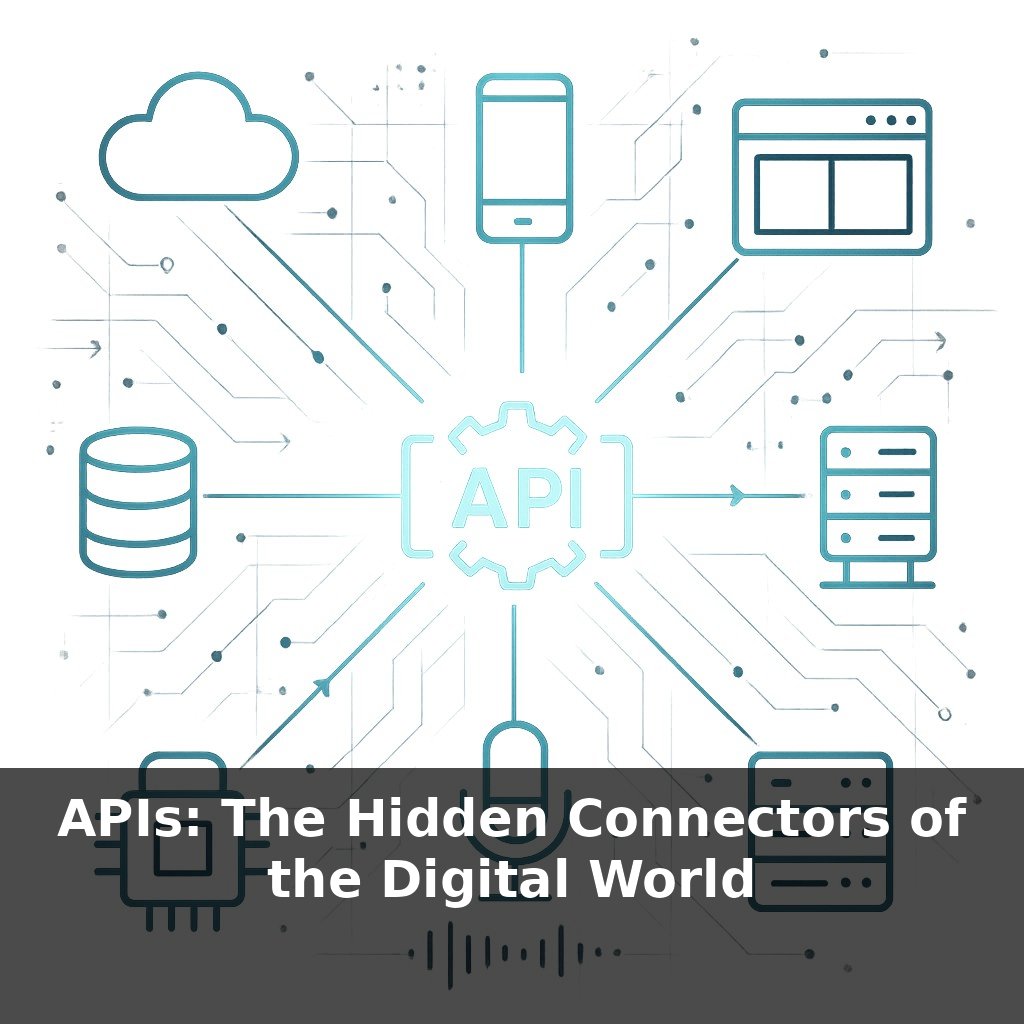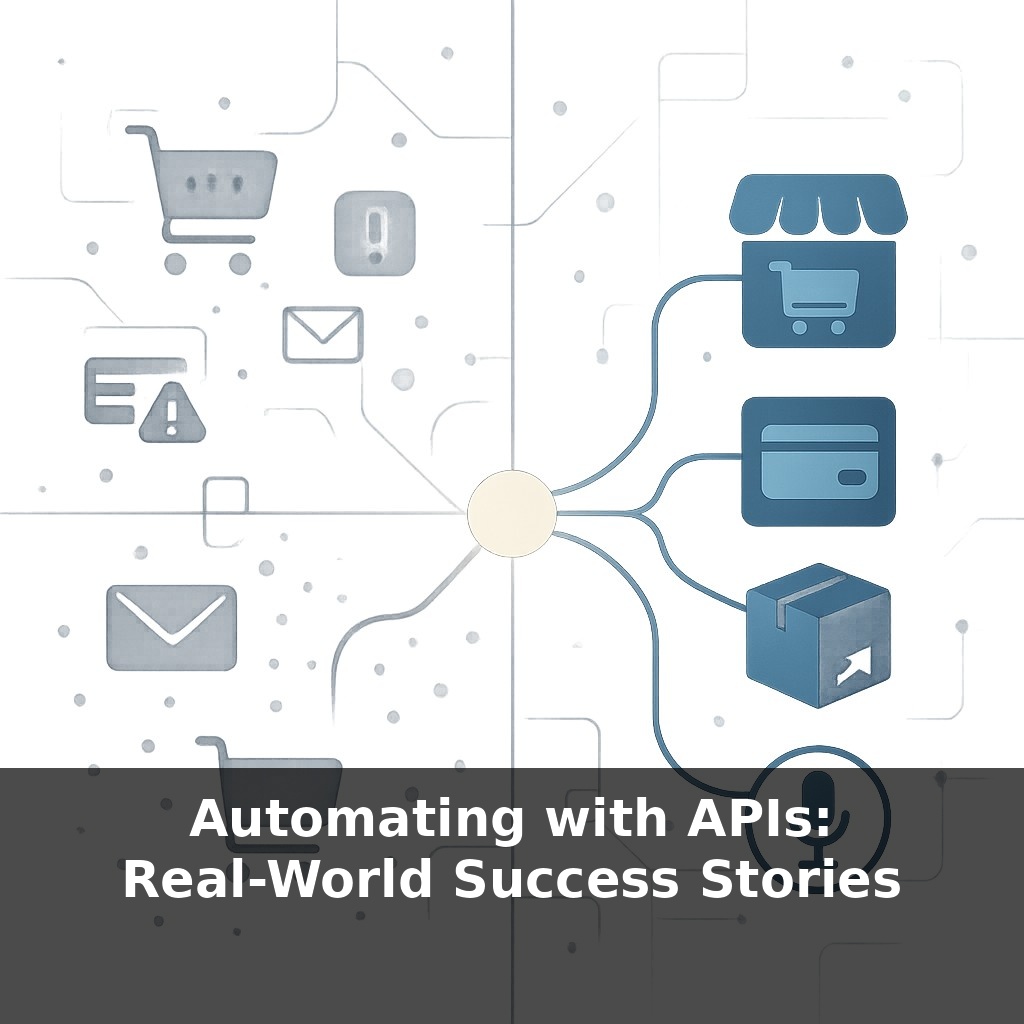
Right now, a software company you’ve never heard of is quietly moving more money in a day than many banks did a generation ago. In one store, a single click orders, pays, ships, and updates inventory—four teams’ work—without a single email or spreadsheet.
Cart abandonment, failed payments, “lost” orders in email inboxes—these aren’t just minor annoyances; they’re where profit quietly leaks out of a business. APIs are where that leakage gets plugged and, in many cases, turned into brand-new revenue. When Domino’s rolled out its API-powered “AnyWare” system, it didn’t just make ordering cuter; over a few years it helped push digital sales up by 28%, turning couches, cars, and smart TVs into storefronts.
Across industries, the same pattern keeps showing up: companies expose clear, reliable interfaces to their capabilities, then let other teams, partners, or even strangers build on top. Stripe quietly handles more than 250 million payment API calls every day; Twilio’s customers collectively fire off 138 billion messages a year. These aren’t side projects—they’re the backbone of entirely new business models built on automation, not headcount.
Walk into almost any modern business and you’ll see the same thing: teams drowning in copy‑paste work while their tools quietly expose powerful, unused connectors in the background. The gap between “how things are” and “how things could run themselves” is often just a missing link between systems that already exist. When those links are put in place, front‑end experiments no longer wait for back‑end rewrites, and routine events—like a shipment created or a payment cleared—can instantly fan out into updates, alerts, and actions across dozens of tools without anyone lifting a finger.
UPS once calculated that a small merchant printing labels by hand was spending so much time on it that shipping had become a hidden full‑time job. After wiring in their Shipping API, that work dropped by about 88%—same parcels, same carriers, but now the browser click quietly does what a human used to: create the label, price it, and sync tracking.
That’s the pattern behind most real‑world automation wins: you stop treating “do X in system Y” as a task for a person and start treating it as a call to a service. The front‑end that people touch—cashiers, webshops, driver apps, internal dashboards—stays focused on the experience. The heavy lifting becomes a set of callable capabilities behind the scenes.
Retailers do this when a product page, a point‑of‑sale, and a warehouse screen all pull from the same stock source, yet each can change independently. A design team can overhaul the checkout flow without begging for database changes; the operations team can swap in a new warehouse tool without breaking the mobile app. Finance teams see it when a cleared payment doesn’t mean someone updates a spreadsheet; it means an event fires, and accounting, CRM, and analytics all adjust themselves.
Those events often travel via webhooks: “an order shipped,” “a user upgraded,” “a payment failed.” Instead of someone checking three systems every afternoon, each event lands where it’s needed—Slack alerts, refund automations, loyalty updates—like a well‑rehearsed orchestra responding to a single cue.
Then there’s the choice to rent, not build. Stripe for payments, Twilio for messaging, identity providers for login—these give smaller teams the kind of reliability, compliance, and scale that used to require entire departments. The differentiation isn’t in reinventing those basics; it’s in combining them in ways competitors haven’t.
In that sense, stitching together these capabilities with APIs is closer to composing music than wiring plumbing: the notes are familiar, but the sequence you design can be uniquely yours, and that composition is where the business value quietly multiplies.
A small online course creator might wire a “student enrolled” event to fan out through several services: one API call unlocks course content, another schedules a welcome email series, a third drops a task into a support queue for a personal check‑in. No one touches a spreadsheet, yet the experience feels handcrafted. A regional retailer can layer in geolocation and weather data from external APIs so that a rainy‑day forecast quietly adjusts promos and homepage layouts in specific cities, while the marketing team just thinks in terms of campaigns, not data pipelines. In logistics, a mid‑sized distributor can expose a delivery‑time quote endpoint to partners; suddenly, those partners can show live ETA and pricing inside their own tools, driving more volume without a single new salesperson. Like a landscape painter reusing the same pigments to capture entirely different scenes, teams remix these building blocks into flows that fit their own terrain.
As more firms plug into each other’s services, advantage shifts from owning every tool to orchestrating them well. Think less factory, more jazz ensemble: teams improvise with data, swapping in a new provider or feature without stopping the music. That agility will matter as regulators demand real‑time reporting and partners expect live status everywhere. The catch: once workflows span dozens of providers, visibility, testing, and clear ownership become as strategic as picking the right vendors.
Your challenge this week: pick one recurring task your team does—chasing tracking numbers, reconciling payouts, copying updates between tools—and trace it step by step. Then ask, for each step: “Could this be triggered by an event instead of a person?” That single question often exposes the first, smallest place an API can quietly earn its keep.