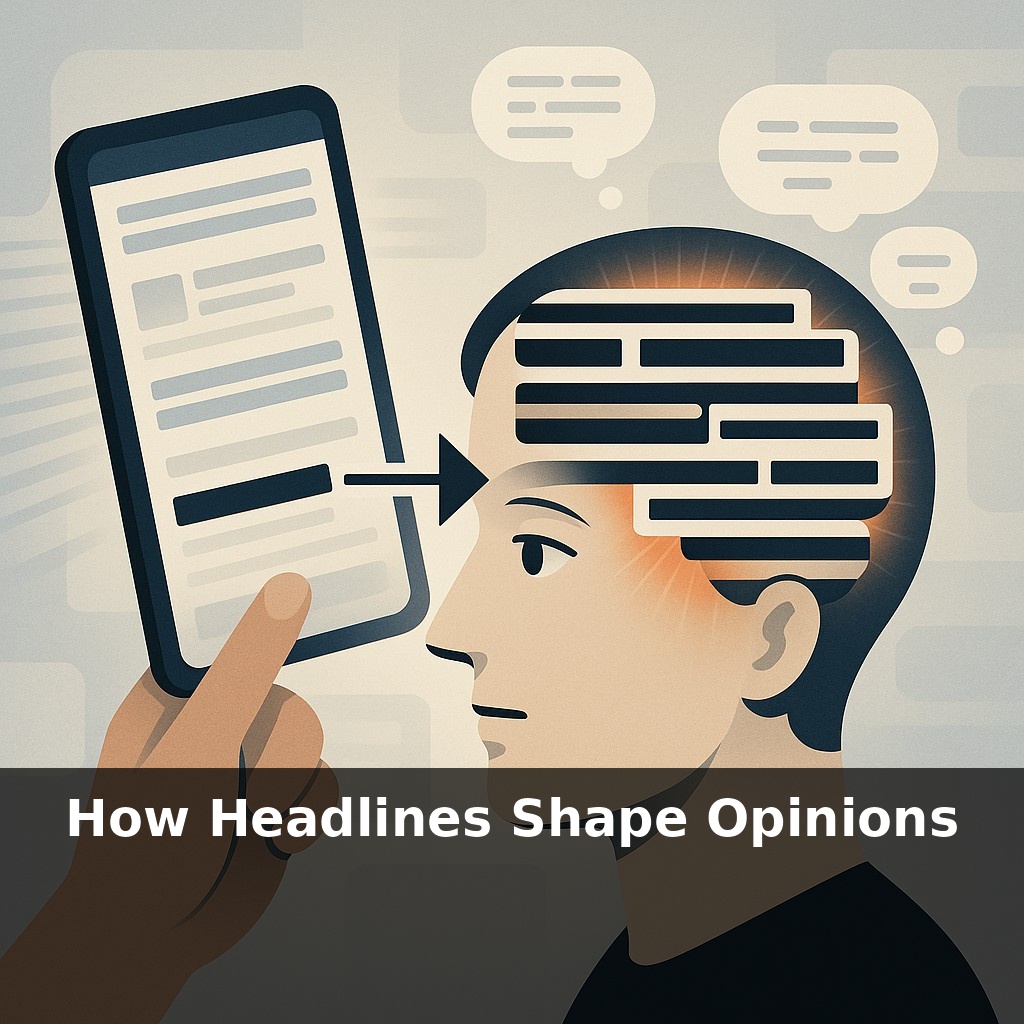
About half the news links people share online are never actually opened. Now, here’s the strange part: the headline alone still shapes their opinion. You’re forming judgments from a sentence someone else wrote, about a story you never read. Curious what that’s doing to you?
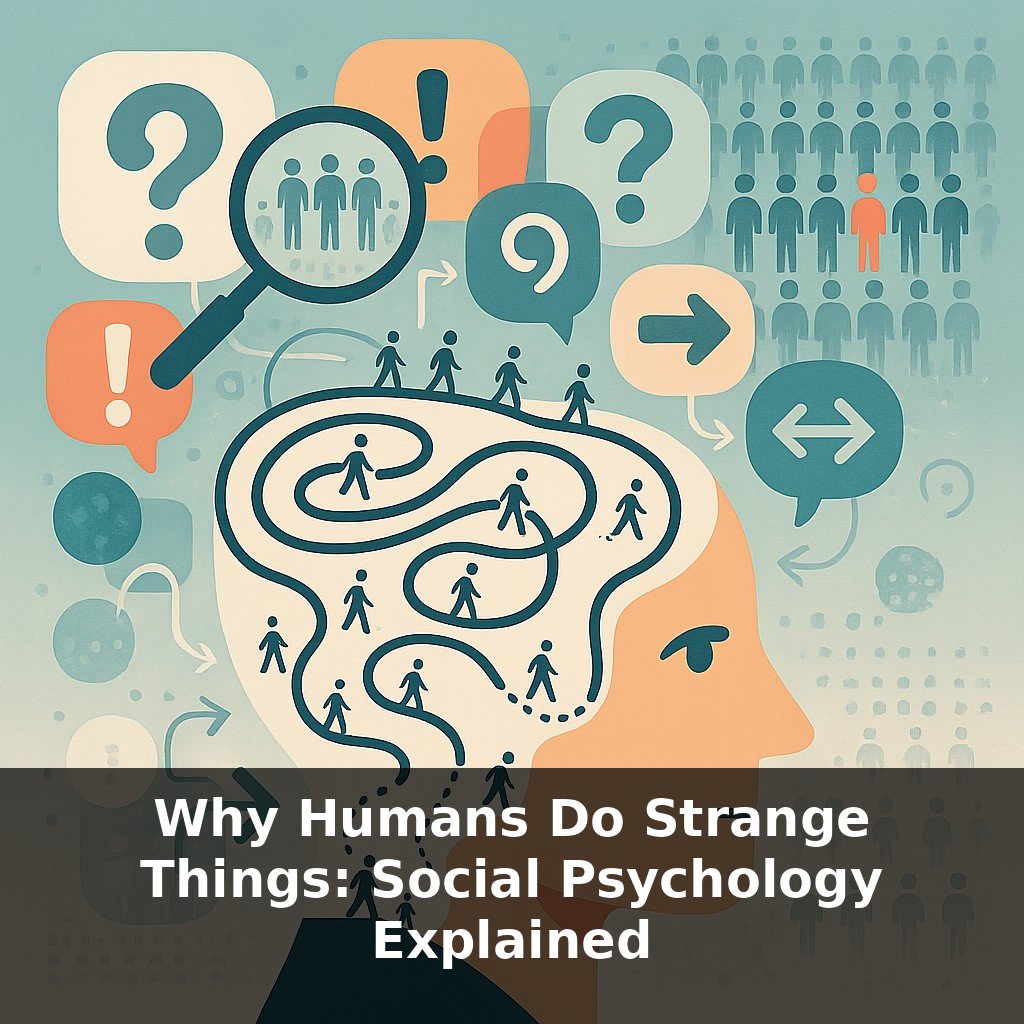
So let’s zoom in on what actually happens in your brain in those few seconds with a headline. You’re scrolling, tired, half‑distracted, and your mind is hunting for shortcuts. That short line of text doesn’t just “inform” you; it quietly answers three questions before you even notice: “Is this important? Who’s the good or bad guy? How should I feel?” Neurologically, your attention system lights up first, then your emotion circuits, and only last—if at all—your slower, analytical thinking. That order matters. Once a feeling is tagged to a topic, later facts have to fight uphill against it. This is why a single dramatic headline about a protest, a policy, or a public figure can stick with you longer than a detailed follow‑up. Over time, those split‑second reactions don’t stay isolated; they start to stitch together into what you believe is your “common sense” about the world.
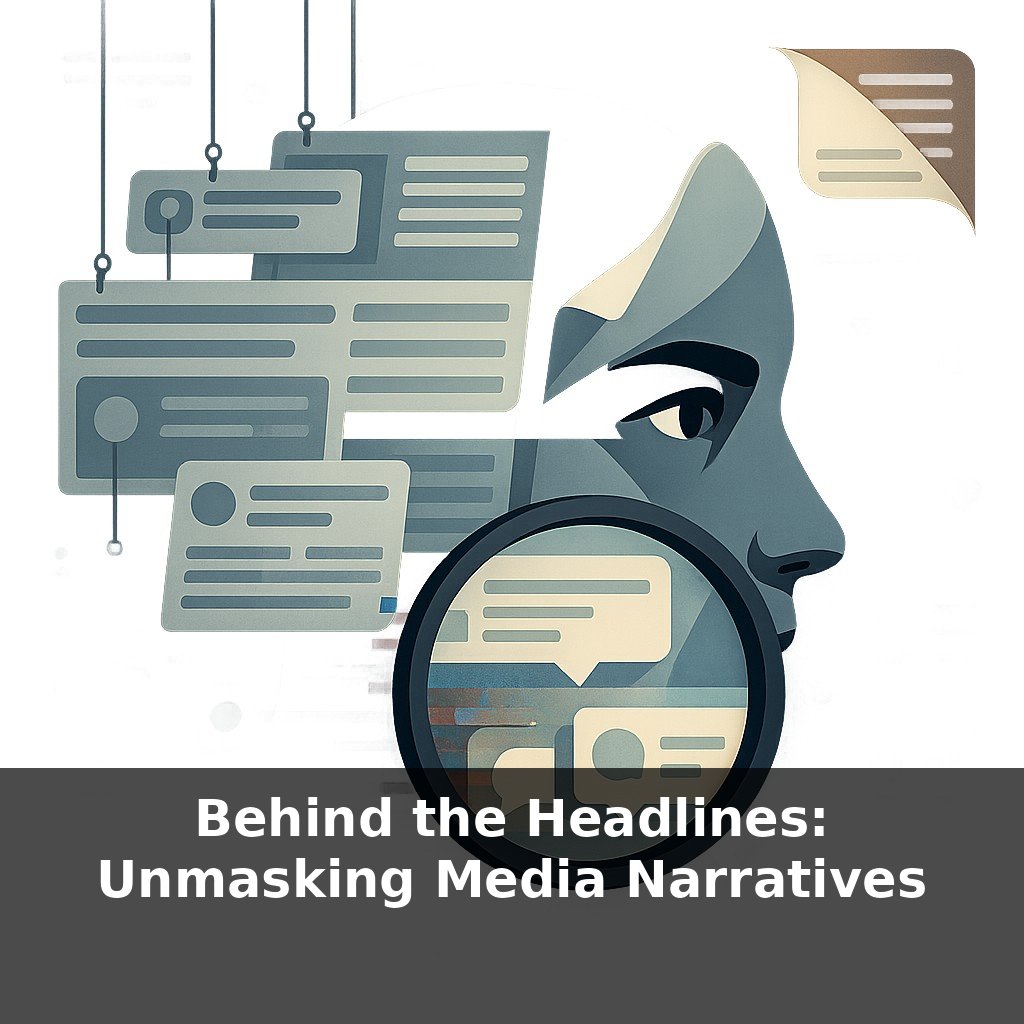
Now add how little we actually see behind that first line. Most people will never reach the second paragraph, and analytics show they often don’t even pass the first sentence. In practice, the headline becomes the whole “story” they carry away. That’s why editors choose each word like a spotlight on a dark stage: what’s named feels central, what’s omitted almost doesn’t exist. Whether it’s “clash” versus “rally,” “crisis” versus “slowdown,” those micro‑choices tilt your sense of scale, urgency, and blame long before you’d say you have an opinion at all.
Here’s where it gets uncomfortable: the headline that grabs you is rarely designed just to “tell you what happened.” It’s designed to make the story *shareable*, *searchable*, and *strategic* for the outlet.
Editors juggle multiple pressures at once. There’s the algorithm—will this phrasing surface on Google or vanish on page three? There’s social media—will this line be “thumb‑stopping” enough in a crowded feed? And there’s the brand—does this fit the outlet’s identity, its typical heroes and villains, its usual tone of outrage, urgency, or optimism? Those forces converge in a few words at the top.
Commercial incentives creep in quietly. Straightforward options like “New Study Released on Climate Patterns” compete with “New Climate Report Warns of Dire Future.” The second one doesn’t just highlight danger; it’s more likely to be clicked, argued about, and recirculated. Over time, those choices nudge coverage toward stories—and angles—that promise stronger emotional reactions, because reactions look like “engagement” in analytics dashboards.
Political and cultural biases layer on top. Two outlets can cover the same protest and end up with “Police Clash With Violent Demonstrators” versus “Police Crack Down on Peaceful Protesters.” The factual overlap might be large, but the narrative you walk away with is entirely different: one suggests threat from below, the other, abuse from above. You don’t see the branching paths of headlines that could have been written; you only see the one that survived the internal debate.
And because many readers never move past that first line, editors know those few words may be the *only* interaction most people have with the topic. That raises the stakes: lean into drama and risk distortion, or stay bland and risk invisibility. It’s not just a stylistic decision; it’s a structural tension built into modern media economics.
Understanding this doesn’t require cynicism, but it does require curiosity: when you feel your reaction spike at a headline, it’s worth pausing to ask whose goals that reaction serves—and what quieter, less clickable version of this story you’re not being shown.
Watch how this plays out in everyday stories. A health site might title one piece “Common Painkiller Linked to Higher Risk” and another “Popular Painkiller Still Safe for Most People”—both drawn from the *same* cautious study. One primes anxiety, the other reassurance; each attracts a different crowd, who then feel “confirmed” by what they skim. Crime coverage often does something similar: “Teen Charged in Robbery” versus “Local High‑Schooler Arrested After Incident.” One locks in an identity, the other leaves room for context. Even science news isn’t immune—terms like “breakthrough,” “mystery,” or “puzzle” cue you to expect either certainty or drama from research that may actually be modest and uncertain. Over time, your mental map of which neighborhoods, medicines, or technologies feel “risky” is less about the data and more about which phrases were consistently attached to them.
Soon, your “front page” may be different from your neighbor’s, each tuned to your fears, hopes, and blind spots. AI systems can already A/B test thousands of title variants, then quietly serve you the one most likely to sway you—not just to click, but to *agree*. Think of policy debates where every group sees a custom doorway into the same article, each version tugging their feelings a few degrees. The risk isn’t just bad facts; it’s millions of slightly nudged realities, drifting further apart.
The next step isn’t to distrust everything—it’s to notice your own snap reactions the way a hiker watches shifting trail markers. When a title tugs you toward outrage or certainty, that’s your cue to slow down, peek at the map, and seek one extra source. Over time, those tiny pauses can quietly rebalance who’s steering your beliefs: you or the banner.
Try this experiment: For the next three days, whenever you see a news story you care about (politics, health, tech—anything), **read only the headline first and quickly write your gut reaction in 1–2 sentences**, then click through and fully read the article and note how much your opinion changes (0–10 scale). Each evening, **pick two of the most emotionally-charged headlines** you saw and deliberately rewrite them twice: once to make them more neutral and once to make them more sensational, then notice how each version makes you feel differently about the same facts. By the end of day three, scan your notes and see which outlets’ headlines most consistently pushed you toward outrage, fear, or certainty before you had the full story.