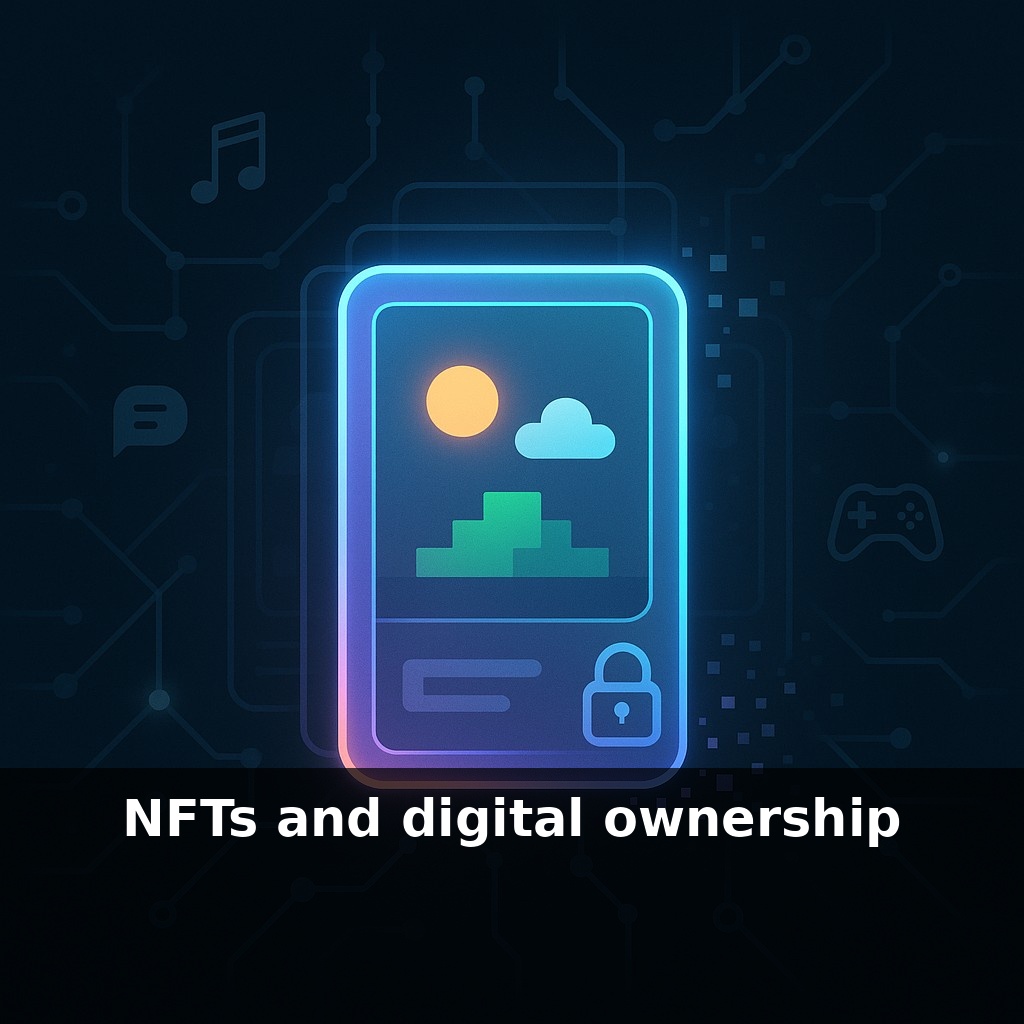
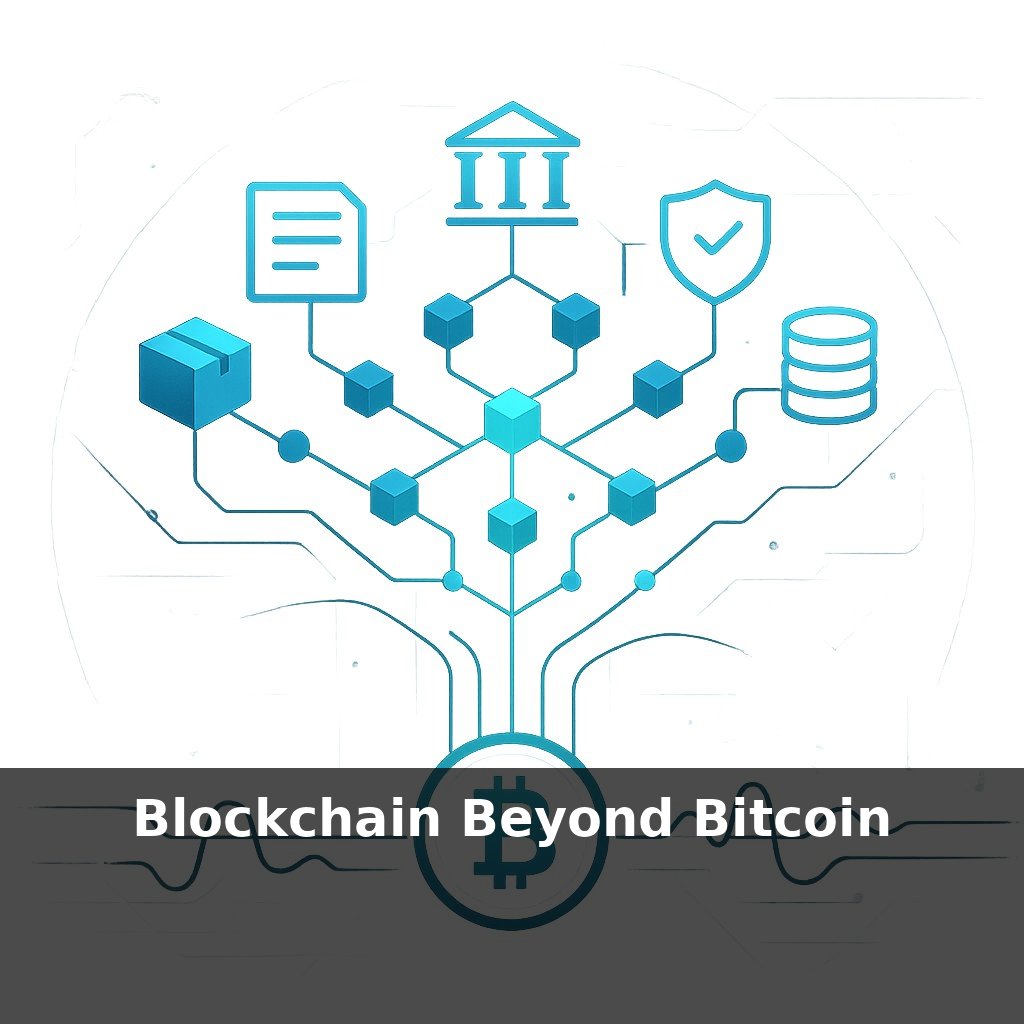
Last year, more people bought and sold NFTs than live in many major cities—yet most of us still aren’t sure what, if anything, those buyers actually own. A tweet, a song, a game skin: on paper it’s “yours,” but online everyone can copy it. So what does ownership even mean in that world?
In 2021, NFT sales briefly rivaled the global music recording industry—then the market crashed, critics yelled “scam,” and headlines moved on. Yet beneath the hype cycle, something quieter kept evolving: people using NFTs not just to sell pictures, but to rewire how value and access work online.
Think of a band that usually relies on streaming pennies. With NFTs, that same band can sell a limited batch of “digital back-row passes” that unlock a private Discord, early demo drops, or even voting rights on which city they tour next. The image or song file might be easy to copy, but the access and status attached to the token are not.
This shift is subtle but profound: NFTs aren’t just about owning a file, they’re about owning a tiny programmable slot in a shared, tamper-resistant database. And that slot can be wired to money flows, perks, and governance in ways we’re only beginning to test.
Now extend that idea beyond bands and fan clubs. Some games already treat these tokens as tradable characters or items that players can sell or lend out, even outside the original game. Visual artists link them to physical prints, studio visits, or future drops. Startups experiment with using them as “keys” that unlock premium research, newsletters, or software features without traditional logins. Even brands test limited-edition passes that carry discounts or event access across multiple partners, hinting at loyalty systems that travel with you instead of living inside one company’s app.
In practice, most of these experiments run into a blunt question: what, exactly, do you get when you “own” one of these things?
Legally, buying a token usually doesn’t mean you automatically get copyright. You’re typically getting a bundle of promises written in three different places at once: the smart contract, the marketplace’s terms of service, and sometimes a separate license (like Creative Commons or custom “NFT licenses” some projects now publish). That mismatch is why two tokens that look similar on the surface can carry very different powers—one might let you remix and sell derivatives, another might only allow personal display.
Teams are starting to design around this. Some collections give holders commercial rights up to a revenue cap; others let holders collectively decide how the brand is used. A few link tokens to real-world contracts, so transferring the token also triggers things like revenue shares or physical asset claims, though enforcement still depends on traditional courts.
Value is also shifting away from one-time drops toward ongoing interaction. Instead of selling a picture once, creators can treat tokens as long-term relationship anchors: they can airdrop new content, update benefits, or respond to community behavior. Games experiment with “soulbound” items that can’t be traded, focusing on reputation rather than speculation. Researchers test NFT-based credentials for courses or events, where the token quietly proves that you were there or passed a certain exam.
On the infrastructure side, the industry has had to confront both scale and fragility. Most media still lives off-chain on services like IPFS or Arweave, or even standard web servers. That means durability depends on someone continuing to pin or pay for storage. Newer approaches try to bundle storage guarantees into the token’s economics, or spread responsibility across many participants so artifacts don’t disappear when a startup dies.
And culturally, the speculative bubble forced a reckoning. Some buyers now treat tokens less like lottery tickets and more like season passes, identity markers, or interoperable membership cards that might retain usefulness even if floor prices never spike again.
A photographer might mint a small batch of passes that quietly evolve over time: early buyers only see high-res downloads, but months later those same passes start unlocking AI-edited variants, behind-the-scenes lighting diagrams, or invitations to co-create future shoots. A writer could issue season “keys” that give holders voting power over which character gets a spin-off, and then route a slice of book sales back to those keys, turning readers into a persistent editorial board with upside. Museums test tokens that track who has supported which exhibitions, then use that history to prioritize loan requests, research access, or early viewing windows. In education, course completions can live as non-transferable records in your wallet, letting you prove skills to employers without revealing your entire identity. Even city pilots experiment with passes that bundle transit, cultural events, and local discounts—one artifact signaling you’re part of a living, evolving civic membership instead of a single app’s user base.
NFTs could quietly rewire how we treat value online. If game items, degrees, and even fan status live as portable records, switching platforms starts to feel less like moving house and more like changing hotels with the same suitcase. That also raises thorny questions: who can “repo” a token if a court steps in, what happens when wallets become inheritance puzzles, and how do we design for forgetting in a system that remembers everything by default?
As blockchains fade into the background, you might care less about “NFTs” and more about what they quietly enable: resellable subscriptions, fan clubs that outlive a single app, even city IDs that bundle transit and culture. Your playlist, library, and memberships could travel with you like a carry‑on bag—not everywhere accepted yet, but slowly gaining new gates.
Before next week, ask yourself: How would owning an NFT that grants real utility (like early access to a community, recurring content, or in-game assets) actually change the way you engage with that creator or platform today? If you picked one creator, game, or brand you already love, what kind of digital collectible or on-chain membership from them would feel genuinely valuable enough that you’d be excited to hold it for a year, not flip it next week? Looking at your current digital life (subscriptions, in-game items, music, or art you already “own”), which one would make the most sense to turn into provable, resellable digital property—and what would you personally gain or risk if it did?