Banks, supermarkets, and even city governments are quietly running blockchain pilots right now—most have nothing to do with buying crypto. In one project, tracing food from farm to shelf dropped from days to seconds. So if blockchains aren’t just for coins…what are they becoming?
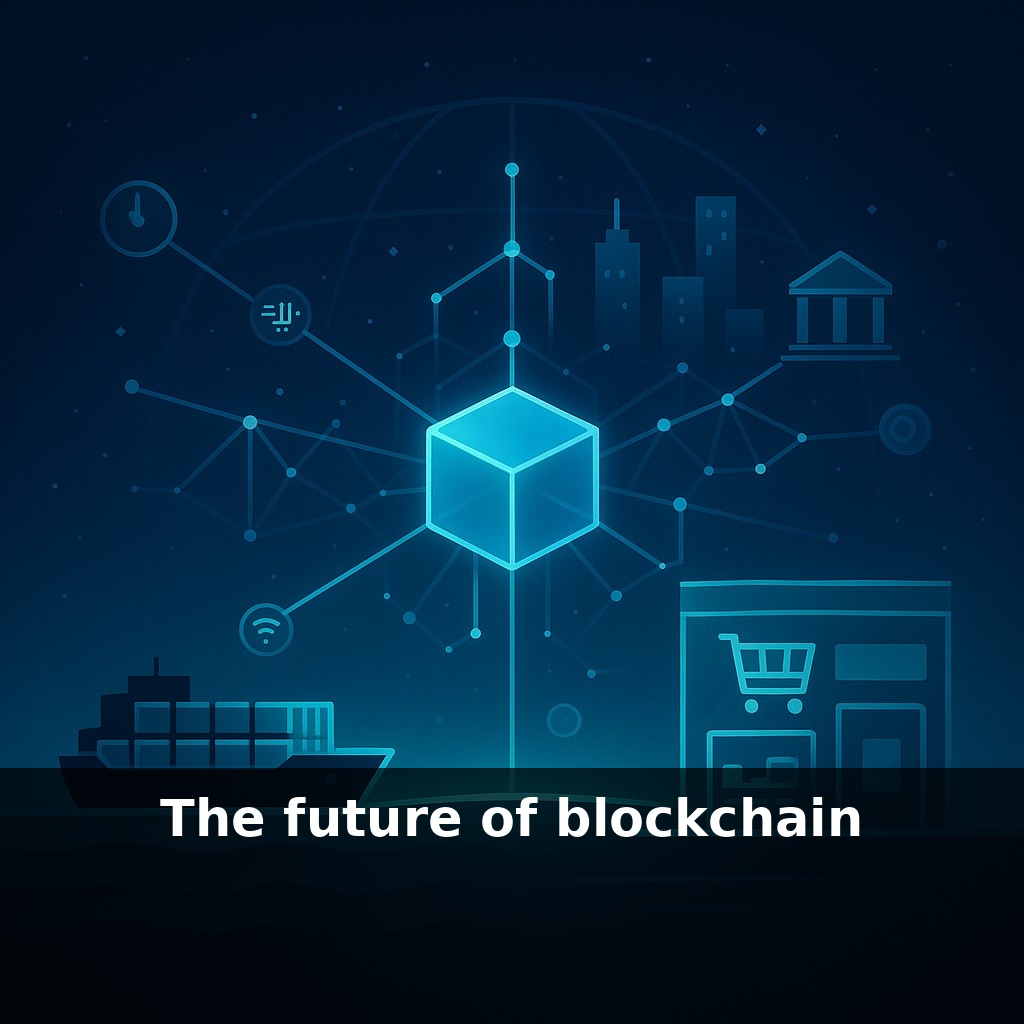
A cargo ship leaves Asia, a payment is triggered mid‑ocean when sensors confirm its temperature logs, and by the time it docks, insurance, customs, and financing have already settled—without a single fax, stamp, or “please hold” phone call. That’s the kind of plumbing blockchains are quietly being wired into: not flashy trading apps, but the background processes that move money, goods, and data.
This evolution is about turning today’s fragile, paperwork-heavy agreements into code that executes itself when conditions are met. Instead of trusting that every intermediary behaves correctly, parties share a common, tamper‑resistant record and programmable rules. From carbon credits to concert tickets, we’re watching “things that can be disputed” slowly become “things that are transparent by default,” and that shift is where the next wave of innovation—and conflict—will happen.
Today’s twist is that this infrastructure is mutating fast. Blockchains are learning to talk to each other, scale to millions of users, and hide sensitive details while still proving they’re honest. That’s where zero‑knowledge tools, Layer‑2 networks, and bridges between chains come in. At the same time, they’re reaching beyond finance: securing voting records, coordinating solar micro‑grids, and tracking carbon offsets. Think less “new casino,” more “new rail system” that AI, IoT devices, and traditional databases can all ride on—if regulators and users decide they trust the tracks.
Walmart cutting mango tracing from a week to 2.2 seconds was an early hint: the “spreadsheet for money” is turning into a coordination engine for entire industries.
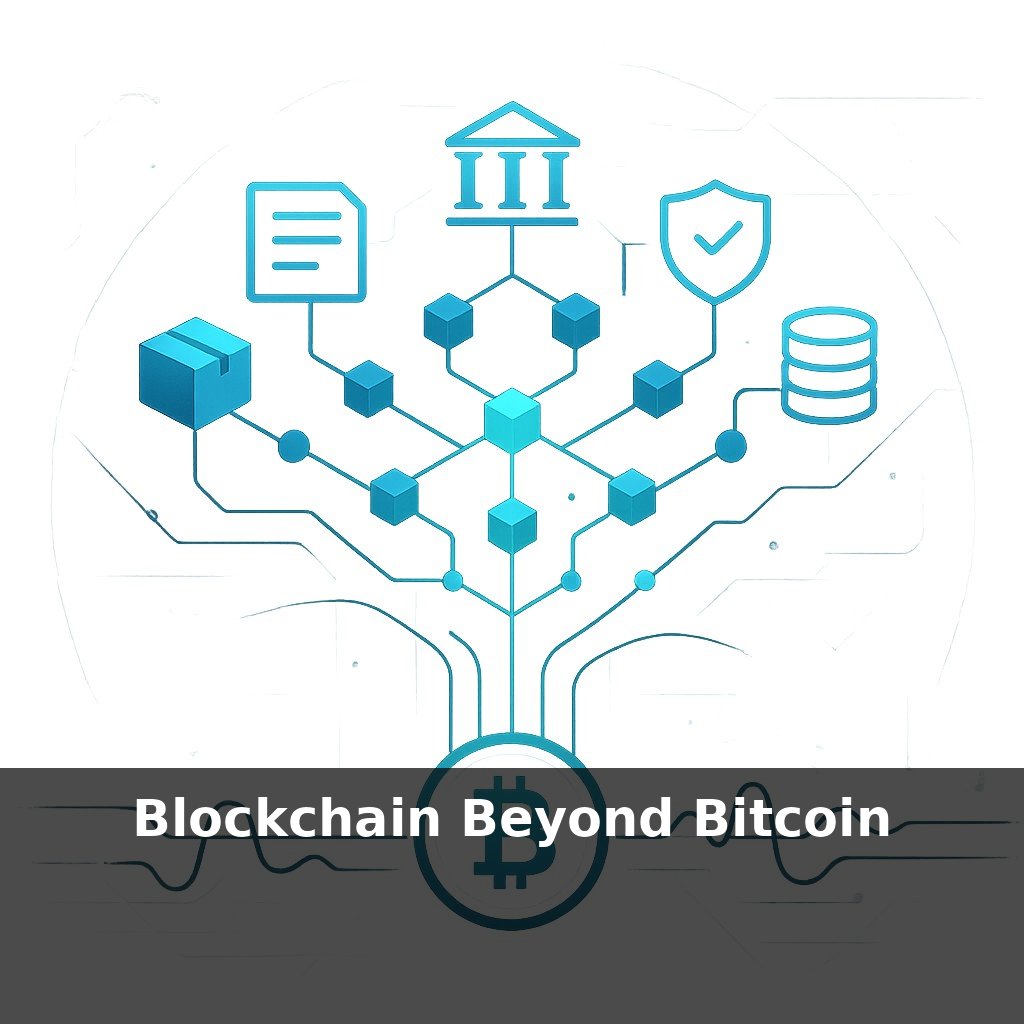
The next frontier is assets that used to live only in legal documents—bonds, invoices, property titles, carbon credits—being mirrored as tokens. Not meme coins, but instruments that can settle in minutes instead of days, split into tiny pieces, or route automatically to whoever takes on a risk. BlackRock, Franklin Templeton, and others are already experimenting with tokenized funds and treasuries; banks in Singapore and Europe are piloting tokenized deposits that still sit under banking law but move on shared ledgers.
Cross‑chain rails matter here. If a shipment token on one network can act as collateral on another and trigger payment on a third, you start to get “composable” finance: trade credit, insurance, and FX all reacting to the same ground truth, not three different databases reconciled by email. That’s also where most of the security drama will be—the bridges between systems are already prime hacking targets.
Outside capital markets, identity is quietly becoming the biggest prize. Instead of spraying your personal data across every website, you’d hold credentials—age‑verified, KYC‑checked, diploma‑confirmed—that can be cryptographically proven without exposing the raw documents. The EU’s digital identity wallet proposals and projects like World ID are early moves in this direction, raising hard questions: who issues these credentials, who can revoke them, and how do we prevent “wallet = person” from becoming a new surveillance backbone?
Then there’s the physical world. As more devices, from cars to factory robots, need to pay tolls, buy power, or sell sensor data, you get millions of tiny transactions. Centralized billing systems weren’t built for that density. Networks like Helium and EU-funded mobility pilots are testing whether machines can hold wallets, sign agreements, and settle with each other directly.
One helpful way to see this: like a city deciding which streets are pedestrian zones, which are for bikes, and which carry freight, societies will need to choose which interactions belong on open, shared ledgers, which stay private, and where we still prefer a human clerk with a stamp. The tech is racing ahead; the zoning plan is nowhere near done.
A good way to feel where this is heading is to zoom into concrete, almost mundane moments. Think about a small music label releasing an album: instead of juggling contracts, payment portals, and delayed royalty reports, each track could exist as a token that routes income instantly to artists, producers, and session musicians when streams or sync licenses hit pre‑agreed thresholds. The same logic could apply to a neighborhood solar co‑op, where households hold tokens tied to their panels’ output and automatically settle with neighbors who buy excess power.
On the institutional side, central banks are piloting wholesale‑only ledgers where commercial banks move high‑value balances 24/7 with built‑in compliance checks, while treasuries experiment with bonds that pay coupons directly to token holders’ wallets. In trade, digital bills of lading are being tested so warehouse releases, customs sign‑offs, and bank guarantees update the same shared object, reducing the incentive for forged paperwork or double‑pledged cargo.
Regulation, strangely, might unlock as much as it restricts. Clear rules on tokenized assets, DAOs, and digital identity could make compliance less like paperwork and more like an API call. Expect “hidden blockchains” beneath familiar apps—your bank, streaming service, or city transit—quietly coordinating money and data. The real shift isn’t just technical; it’s institutional. Lawyers, auditors, and even algorithms may end up co‑authoring the next generation of economic “rules of the game.”
As these ledgers quietly wire into ports, hospitals, and studios, the real test won’t be speed or hype—it’ll be whether they help strangers cooperate on hard problems. Think: coordinating disaster relief like a well‑rehearsed orchestra, each section following shared sheet music yet free to improvise when reality changes.
Before next week, ask yourself: 1) “If smart contracts really do become as common as APIs, which 1–2 processes in my work (like invoicing, royalties, or access control) could I plausibly imagine turning into a smart contract—and what specific data would they need to touch?” 2) “Given what the episode said about modular blockchains and layer-2s, where in my current tech stack could cheaper, faster on-chain verification add real value (for example, proving data integrity or user actions) instead of just sounding futuristic?” 3) “If tokenization of real-world assets actually takes off, what concrete asset or right in my world—such as loyalty points, licenses, or fractional ownership in a project—could I experiment with tokenizing in a low-risk pilot, and who would I need to involve to test it?”