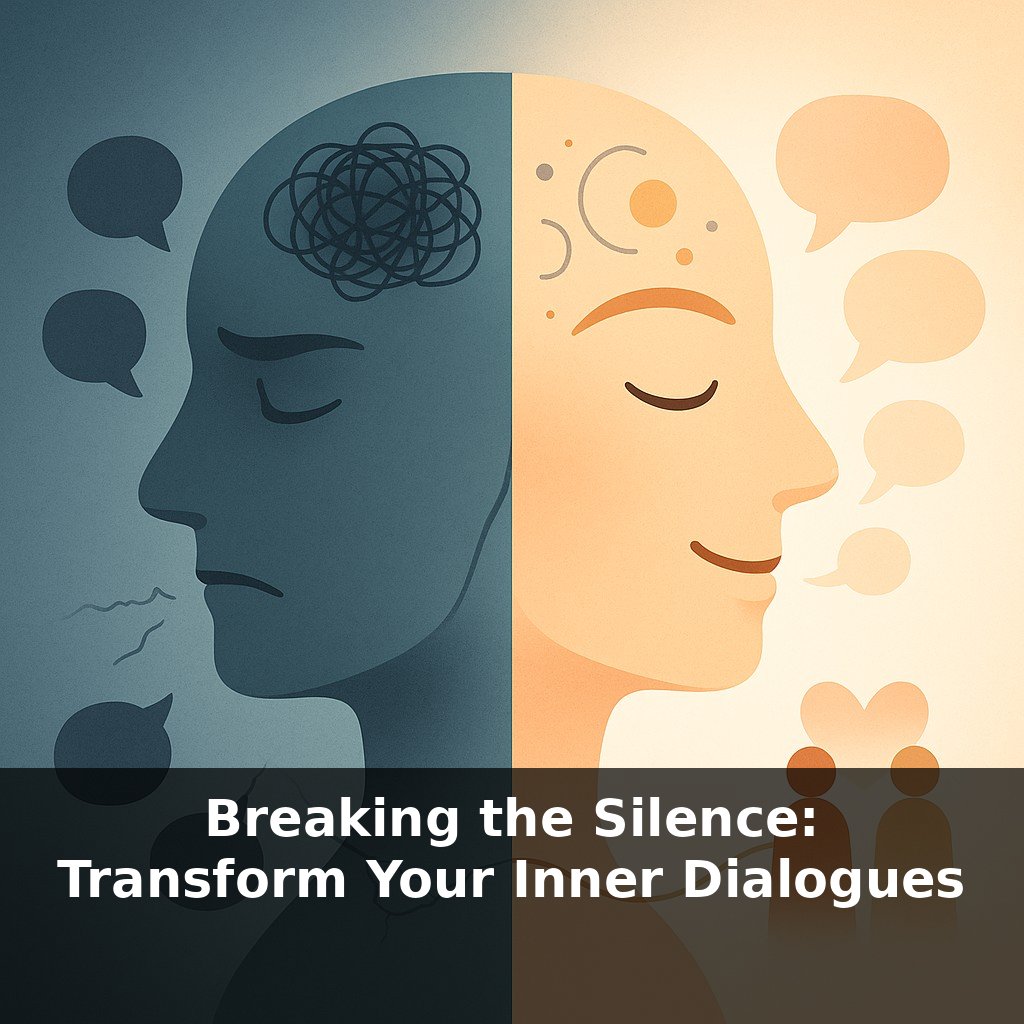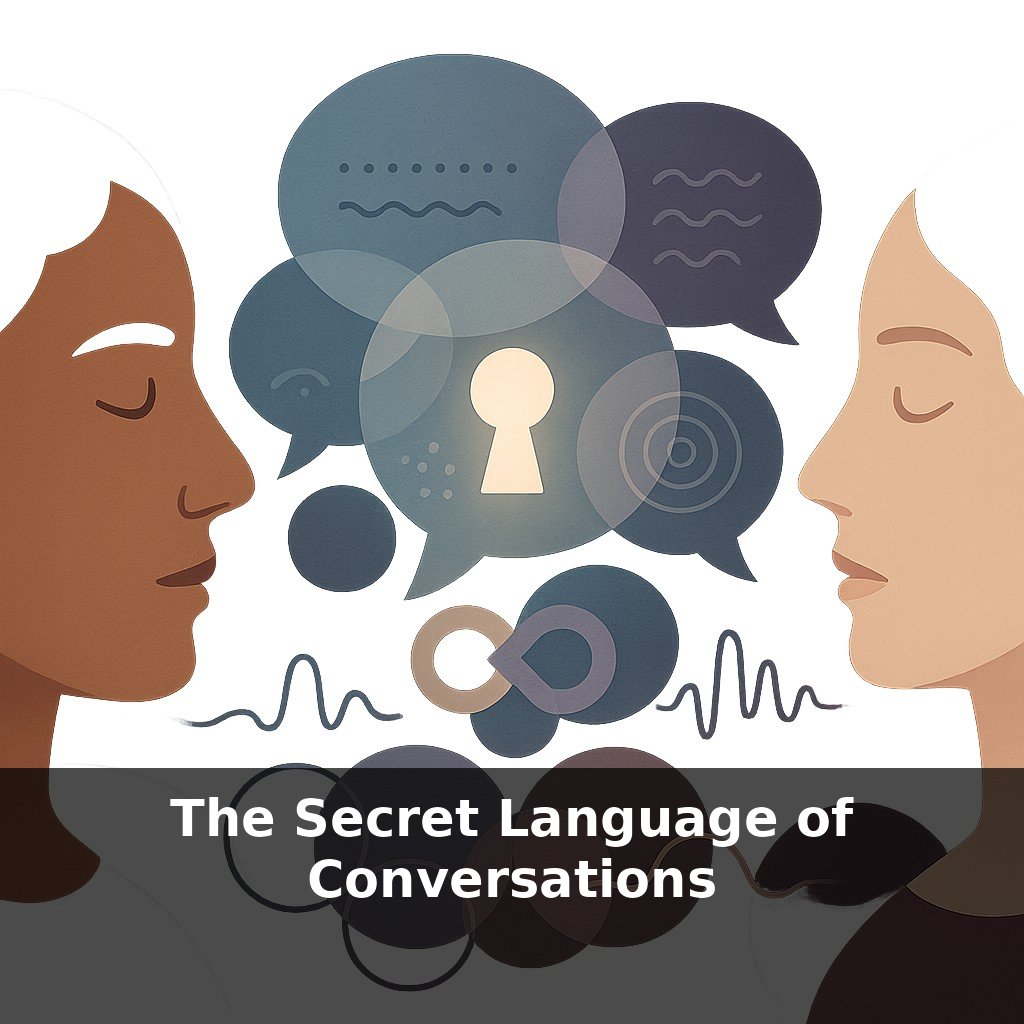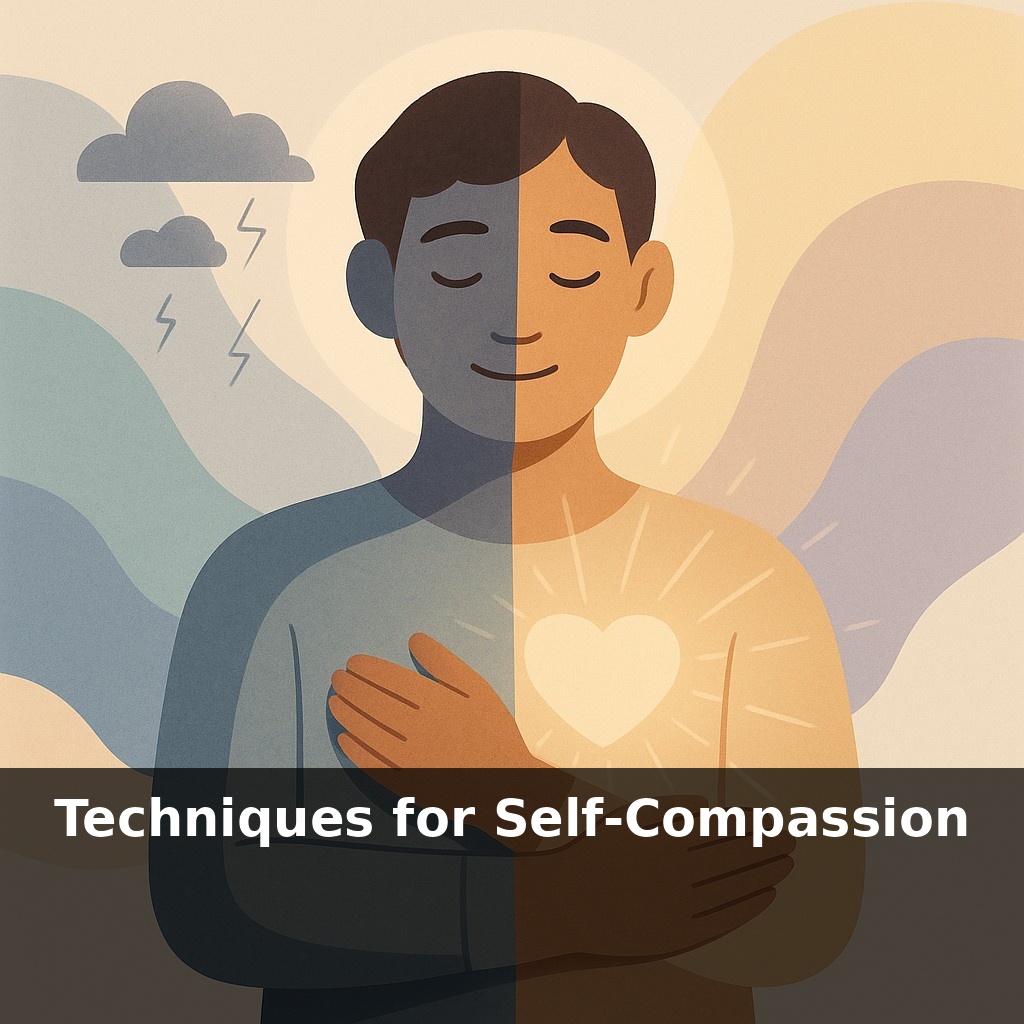
“Most people talk to themselves in a way they’d never use with a friend—and then wonder why they feel exhausted. You miss a deadline, your chest tightens, and a harsh inner voice starts shouting. But here’s the twist: that critic thinks it’s protecting you. So what is it afraid of?”
That “protector” isn’t working alone. It usually travels with two quiet partners: your nervous system and your attention. When something goes wrong, your body surges into threat mode, and your focus narrows to whatever feels most dangerous—often your own supposed flaws. That’s why logic rarely helps in the moment; the system is already flooded.
This is where self-compassion becomes less of a “nice idea” and more of a trainable skill. Think of it as learning a new keyboard shortcut: a few specific moves you can run when shame, anxiety, or defensiveness start to spike. Not lofty affirmations, but concrete, research-backed techniques that change what your brain and body are doing in real time.
In this episode, we’ll zoom in on a handful of small practices that are powerful precisely because they’re so ordinary—and we’ll connect them directly to how you show up in your closest relationships.
Think about what happens right after a hard moment with someone you love—a tense text, a sharp comment at dinner. Your mind replays the scene like a glitching video, freezing on the worst frame. You start editing the story so you’re either the villain or the victim. This is the window where your nervous system is loudest and your options feel smallest. Instead of trying to “be nicer” in general, we’ll focus on what you do in that narrow slice of time: tiny shifts in attention, language, and posture that can turn a spiral into a reset—for you and for the relationship.
When researchers look closely at people who handle conflict well, there’s a pattern: they don’t wait until they “feel calm” to respond. They use tiny, repeatable moves that lower the volume on shame and fear just enough to give them a real choice.
One of the simplest is the Self-Compassion Break. Right after a jolt—a dismissive tone, a cold silence—you quietly run three steps:
First, name the moment: “This is a tough moment,” or, “Oof, that really stung.” Not to dramatize it, but to acknowledge that something actually happened. That tiny label shifts you from being inside the storm to briefly noticing the weather.
Second, remember that other people feel this way too. A line like, “Anyone in my shoes would hurt,” or, “Conflict is hard for every nervous system,” widens the lens. You’re not the one defective person who can’t handle a conversation; you’re a human having a very human reaction.
Third, add a dose of kindness that’s specific to you. Something like, “Okay, I’m here with you,” or, “Let’s move 5% slower while we sort this out.” Notice these aren’t pep talks or excuses. They’re more like offering a steady hand on your own shoulder so you don’t shove your partner (or yourself) away.
Another route in is through the body. Gently lengthening your exhale for five breaths, uncrossing your arms, or feeling your feet on the floor for ten seconds can start to tilt your physiology away from attack or shutdown. This matters because, in conflict, your posture often speaks louder than your words.
Then there’s mindful emotion labeling. Instead of, “I’m a disaster,” you quietly note, “I’m feeling hurt and a bit scared,” or, “There’s anger here, and underneath it, disappointment.” You’re not just venting; you’re sorting the emotional laundry so you don’t throw everything at the other person as one tangled ball.
These micro-practices don’t magically fix the relationship. What they do is buy you a gap—sometimes only a few seconds—between the first wave of pain and your next move. Within that gap, you’re more able to ask for what you actually need, apologize without collapsing, or say, “I want to keep talking, but I need a short pause to come back into the room.”
Think of these moves less like “emotional first aid” and more like updating the software that runs in the background of your day. You’re not deleting conflict; you’re changing what loads the moment something glitches.
Take a real moment: your partner scrolls through their phone while you’re talking. Your chest tightens. In the past, maybe you’d either snap or shut down. Now, you quietly label: “Heat in my chest, a spike of anger, some sadness.” Your shoulders drop a centimeter. You buy three extra seconds—just enough to say, “Can I get your eyes for this? It’s important to me,” instead of, “You never listen.”
Or a friend cancels plans again. Rather than silently stewing, you notice the sting, let your breath lengthen on the exhale, and mentally add, “Anyone would feel let down here.” That tiny shift makes it more possible to text, “I miss you—can we find a time that really works?” instead of disappearing or sending a sarcastic reply.
These aren’t big, cinematic gestures. They’re quiet tweaks that, repeated, start to rewrite how safety feels in your relationships.
In the next decade, practicing this will likely move from “personal habit” to basic literacy, like budgeting or brushing your teeth. Workplaces may track “psychological safety” the way they track revenue, because calmer nervous systems mean fewer blow‑ups, better ideas, and less quiet quitting. Couples therapists are already teaching these skills as standard; schools are beginning to follow. The more people can stay present with their own discomfort, the less they’ll need to outsource it as blame.
You don’t have to overhaul your personality to shift this; think smaller, like tweaking the seasoning in a familiar recipe. A slight change in how you meet tension today can subtly flavor tomorrow’s conversations. Over time, these micro‑adjustments can turn routine friction into a surprising source of clarity, repair, and even quiet loyalty between you.
Here’s your challenge this week: Once a day, when you catch your inner critic saying something harsh (like “I’m such an idiot” or “I always mess this up”), pause and speak to yourself out loud using the 3-step compassionate script from the episode: 1) Name what’s happening (“This is a moment of suffering”), 2) Normalize it (“Everyone feels like this sometimes”), and 3) Offer kindness (“May I be gentle with myself right now”). Then place your hand on your heart or another comforting spot for at least 30 seconds and breathe slowly, like they described in the soothing touch practice. Do this for seven days in a row and mentally rate, on a 1–10 scale, how intense your self-judgment feels before and after each mini-practice.