 2min preview
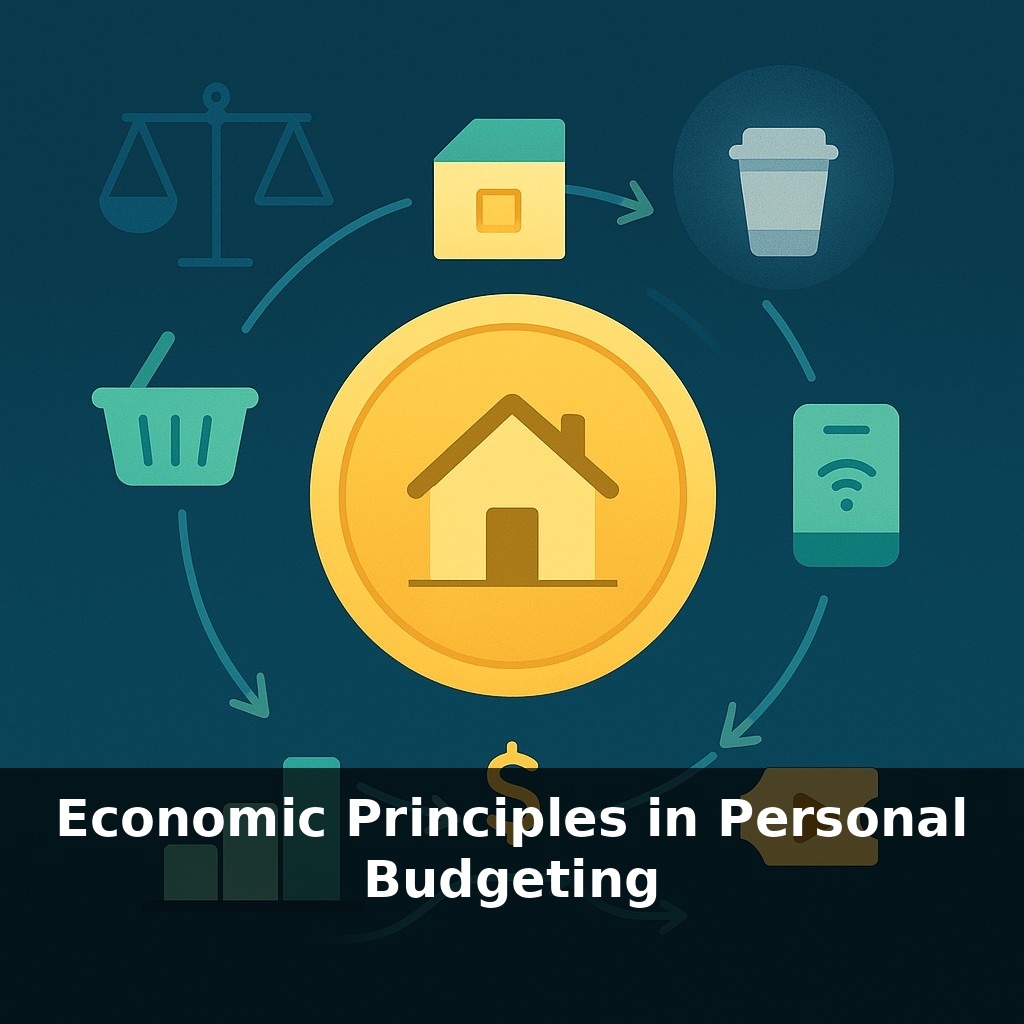
Economic Principles in Personal Budgeting
📝 Transcript
Your budget isn’t just bills and paychecks—it’s a live micro‑economy. Right now, the typical American household sends about a third of its money to housing. But here’s the twist: the real power lies not in what you earn, but in which tiny expenses you quietly sacrifice first.
Economics gives you a toolkit for making those sacrifices intentional instead of random. Opportunity cost asks, “If I use this dollar here, what future option quietly disappears?” Marginal utility asks, “Does the next dollar on this category actually make me happier, or am I just on autopilot?” Suddenly it’s not “Can I afford this?” but “Is this truly the best use of my limited resources right now?”
Think of how investors scrutinize each new project: they compare potential returns, timing, and risk. You can do the same with your own choices—stacking “buy now” against “grow later” instead of treating every want as equal. This is where tools like automatic transfers, Save More Tomorrow–style increases, or apps like YNAB become more than tech; they’re ways to hard‑wire these economic questions into your daily money decisions.
Subscribe to read the full transcript and listen to this episode
Subscribe to unlockSubscribe for $1.99/month to unlock the full episode.
Unlock all episodes
Full access to 6 episodes and everything on OwlUp.
Subscribe — $1.99/monthLess than a coffee ☕ · Cancel anytime