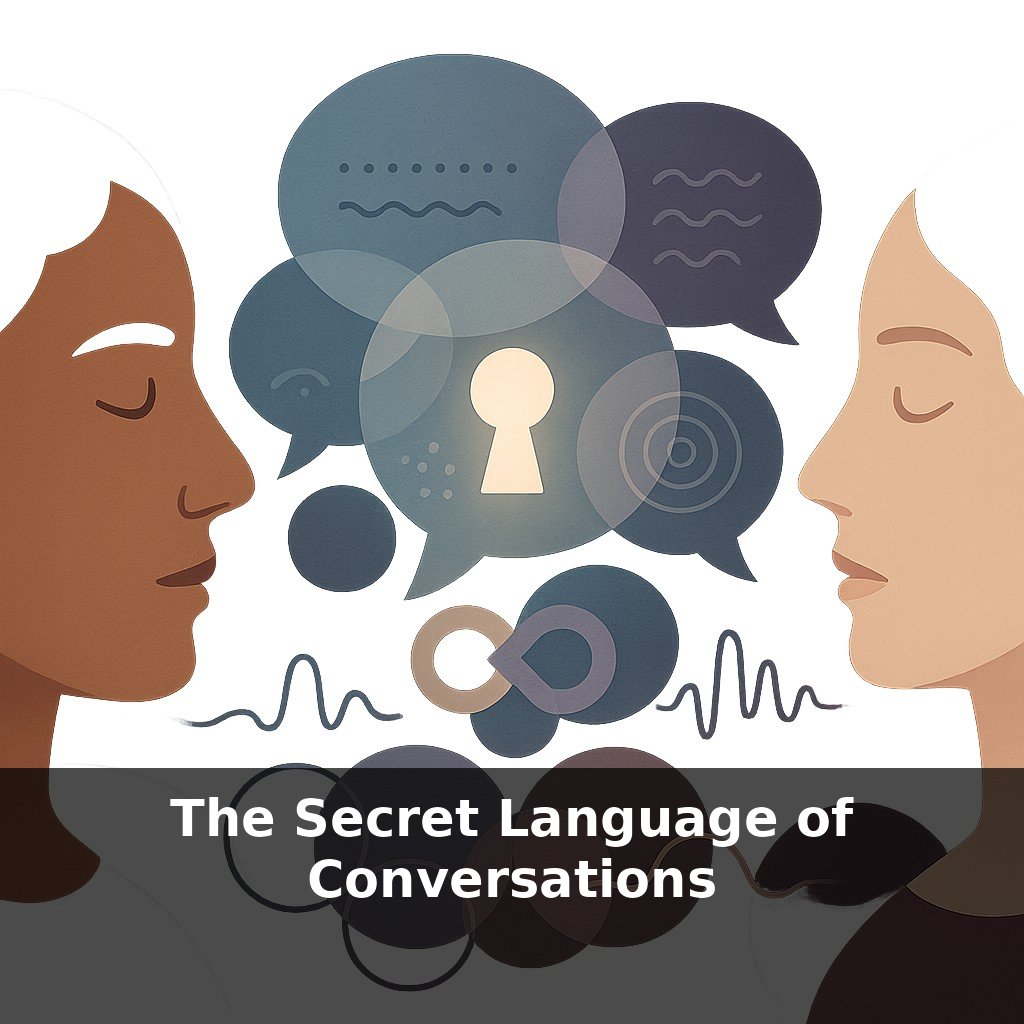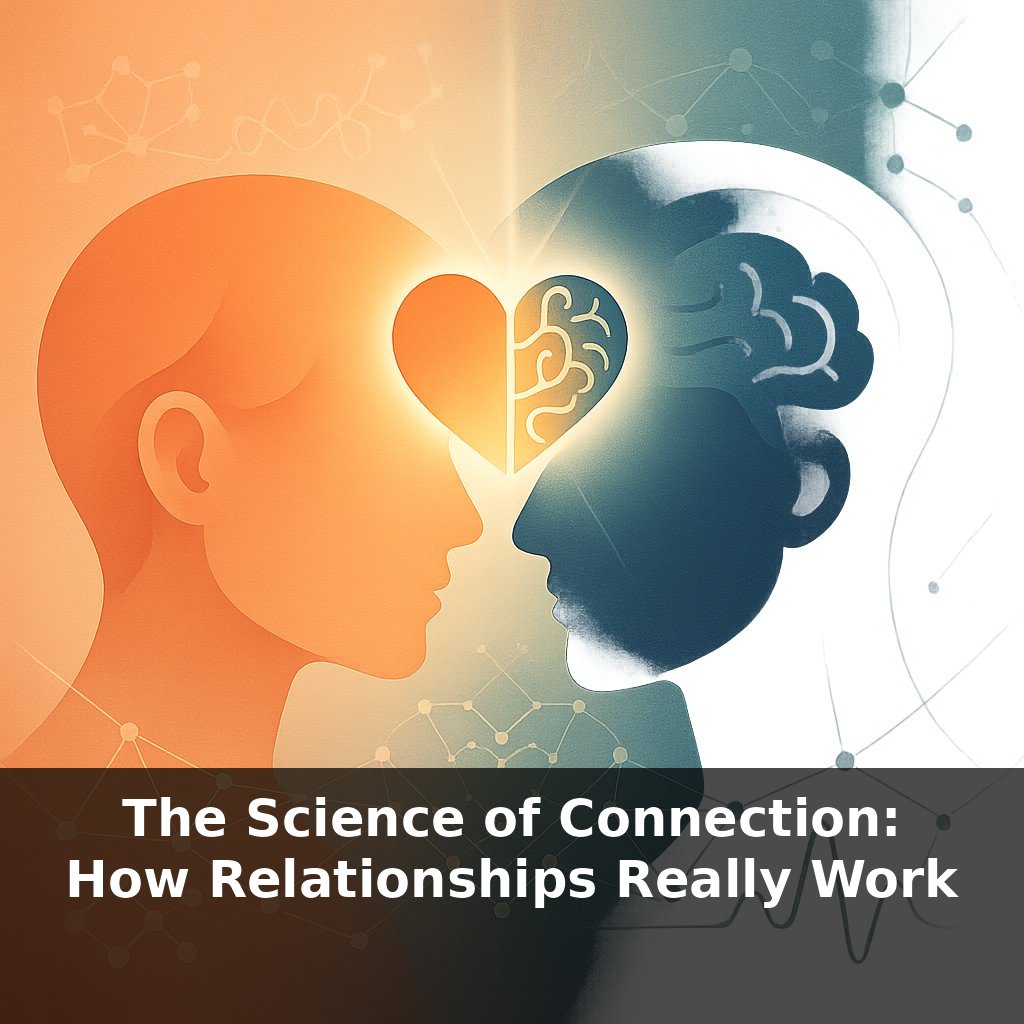
Most people remember only about a third of what they hear—yet the people we call “magnetic” often say almost nothing. A manager quietly asking, “Tell me more?”… a friend repeating one key sentence back to you. Why do those tiny listening moves make them feel larger, not smaller, in the room?
In this episode, we’ll zoom in on what’s happening under the surface when someone truly listens to you. Not the “uh‑huh, yeah, totally” kind of listening, but the kind that makes your shoulders drop and your story spill out faster. Neuroscience shows that a few well‑placed nods, a short pause, or a simple “So you’re saying…” can flip your brain from guarded to open in seconds. Think about the last time you left a conversation feeling oddly lighter, even though nothing in your life had changed yet. That wasn’t an accident—that was a skill. And it’s a skill you can train, almost like learning to cook a dish by feel instead of by recipe.
Here’s the twist: most people think “being interesting” is what draws others in, but in practice it’s “being interested” that does the heavy lifting. Look at the data: top sales reps and highly rated leaders aren’t talking more; they’re extracting more from the people in front of them. They treat every conversation like a prototype, where the other person’s words are raw user data. Your job isn’t to impress; it’s to detect. What are they really optimizing for—respect, safety, status, clarity? Once you start listening for those hidden variables, ordinary chats turn into X‑rays of what people actually need from you.
Here’s where this gets practical: when people talk, they leak three layers at once—content, emotion, and identity. Most of us only catch the content (“what happened”). Charismatic listeners consistently tune into all three.
Content is the surface: the project update, the weekend story, the complaint about a process. Emotion rides underneath it: frustration, excitement, anxiety, pride. Identity is the deepest layer: “I’m competent,” “I’m overwhelmed,” “I’m trying to prove myself,” “I don’t want to look stupid.” When someone walks away thinking, “Wow, they really get me,” it’s almost always because you responded to emotion or identity, not just the literal words.
You can start spotting these layers by listening for small linguistic tells. Content lives in facts and logistics: “The deadline is Friday,” “We launched the feature,” “The client called again.” Emotion shows up in intensifiers and metaphors: “I’m slammed,” “This is killing me,” “I’m actually really excited about this.” Identity hides in shoulds, always/never, and labels: “I should have known,” “I always mess this up,” “I’m just not a numbers person,” “As a parent, I can’t…”
Instead of jumping to advice, treat those tells like hyperlinks. When someone says, “I should have caught that,” you can click the identity link: “Sounds like you hold yourself to a pretty high standard.” When they say, “This launch is killing me,” you can click the emotion link: “What’s been the most draining part of it?” That tiny move shifts the conversation from reporting to revealing.
There’s another layer charismatic listeners work with: timing. They don’t pounce on the first emotion word; they wait for patterns. If a colleague mentions “pressure” three times in five minutes, they’ll circle back: “You’ve mentioned pressure a few times—where’s that coming from most right now?” That kind of gentle mirroring signals, “I’m tracking you over time, not just reacting to random sentences,” which is rare enough that people remember it.
Think of it like updating software: every new detail someone shares is a patch note about how they operate. If you capture those updates—what motivates them, what rattles them—you can respond in ways that feel oddly tailored, even when you’re just asking one more well-aimed question.
Think about a teammate saying, “The meeting was… fine, I guess,” versus, “That meeting sucked the life out of me.” On paper, both report the same event. But the second one hands you emotion and maybe identity: someone who cares about momentum, who hates wasted time. Treat those extra words like highlighted cells in a spreadsheet—you don’t need to stare at every row, just the ones that light up.
Another way to practice: when someone tells a story, quietly draft two headlines in your mind. Headline A: the literal plot (“Client pushed deadline back”). Headline B: the human story (“I’m worried this makes us look unprofessional”). You don’t have to say your headlines out loud, but testing them sharpens your ear for what’s really being risked.
Active listeners also notice what *doesn’t* get said. If a friend talks for ten minutes about a conflict and never once mentions what they want, you can gently surface it: “What outcome would feel like a win for you here?” Often, that’s the first time they’ve asked themselves, too.
Leaders rated as highly charismatic spend about two-thirds of conversations *not* talking. That’s not passivity—it’s strategy. As tools like real-time sentiment trackers quietly enter meetings, the edge won’t go to the chattiest voice, but to the person who can notice tiny shifts: a pause, a hedged word, a sigh.
Your challenge this week: in one recurring meeting, pick a “listening lens” (e.g., watch for every time someone softens a statement with “kind of” or “maybe”) and note what decisions *don’t* get voiced until you invite them in.
When you start catching those subtle shifts—tone tightening on one topic, energy rising on another—you’re basically upgrading how you “see” people in real time. Conversations stop feeling like random chats and more like maps revealing where someone is energized, stuck, or scared to move, so your next question can land where it actually matters.
Here’s your challenge this week: Choose one person in your life and have a 10-minute conversation where your only goal is to listen to connect, not to fix or respond. During the conversation, use at least three of the tools from the episode: mirror back a key phrase they said, name one emotion you’re hearing, and ask a curious follow-up question that starts with “What” or “How” (not “Why”). At the end, simply say, “Thank you for sharing that with me,” and resist the urge to give advice unless they explicitly ask for it.