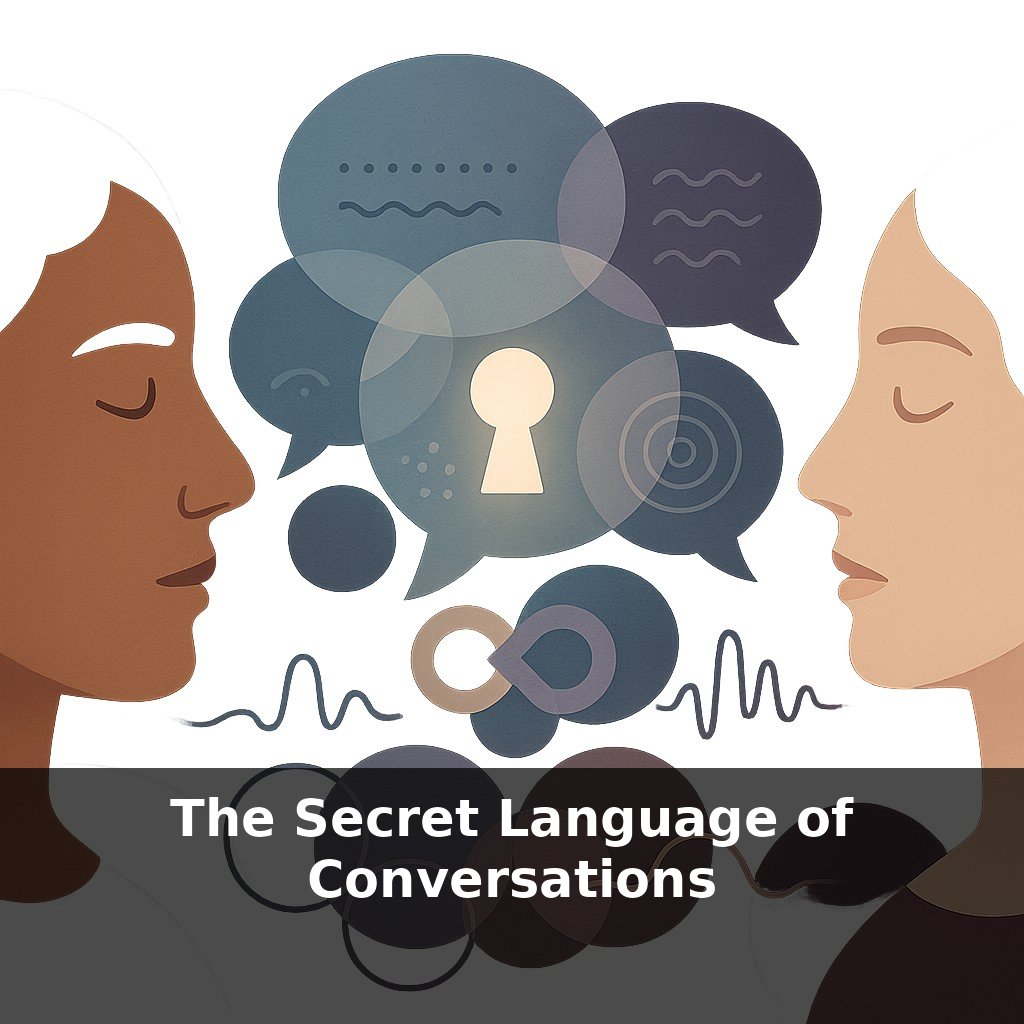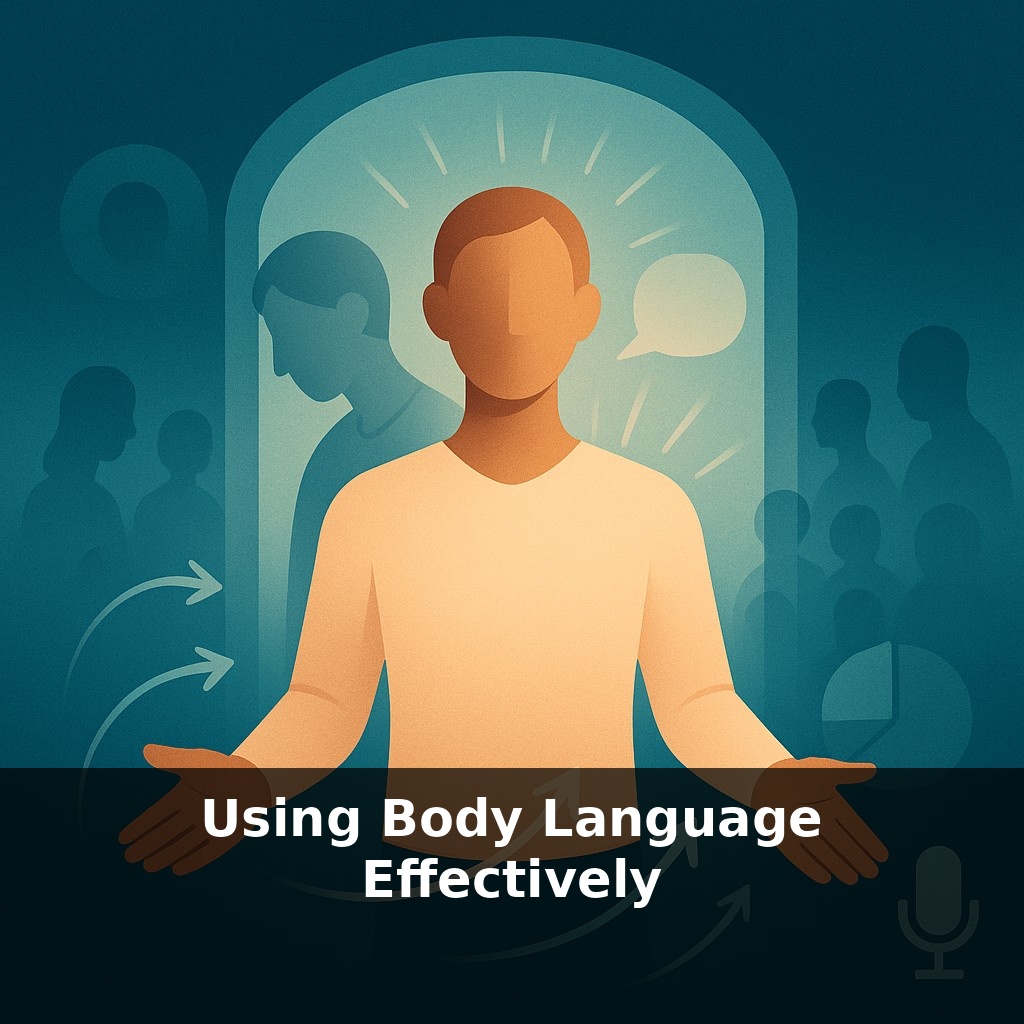
In one glance, people decide if you’re confident, kind, or worth listening to—long before they process a single word. You walk into a meeting, say “good morning,” and the room has already voted on you. The twist? You can rewrite that silent vote, without changing what you say.
Up to 93% of emotional meaning is carried without words—that’s not soft science, that’s your influence leaking or landing before your message does. In this episode, we’re going to treat your body language like a set of adjustable dials, not a fixed personality trait. Tiny shifts—how you hold your shoulders on Zoom, where your eyes rest in a tense moment, how your hands move when stakes are high—can change how confident, warm, or authoritative you seem, without faking anything.
Research shows negotiators who subtly mirror gestures close far more deals, and speakers who gesture with intention are seen as more competent and trustworthy. We’ll unpack why, then turn those insights into a few sharp, practical moves you can test this week—in real conversations, not in front of a mirror—so your presence finally matches the value of what you’re actually saying.
Think of this episode as switching from theory to fieldwork. Instead of obsessing over “perfect” posture or memorizing lists of dos and don’ts, we’re going to zoom in on a few leverage points: how you hold space in a room, what your face does when you’re not talking, and how your eyes move when power dynamics shift. Research labs measure this with sensors and cameras; you’ll do it in real time, in meetings, dates, and Zoom calls. Like a good software update, the goal isn’t to replace your style—but to quietly patch the bugs that keep your signal from landing.
Most people obsess over what to do with their hands, but the real story starts lower: your base. How you sit or stand quietly broadcasts whether you’re open, defensive, rushed, or solid. Research on posture shows that people read stability first—are you planted, or are you leaking tension? Two quick checks: feet and spine. Feet flat (or evenly weighted if standing) signals “I’m here, not halfway out the door.” A spine that’s long but not rigid reads as relaxed authority; a collapsed chest or a chair-perch telegraphs doubt or eagerness to please.
Next layer: how you “pace” the other person. We know mimicking can boost deal-closure, but you don’t need to become a copy machine. Think of it as matching tempo, not choreography. If they’re calm and measured, and you’re bouncing with fast gestures, it feels like you’re on different channels. So start by syncing energy: volume, speed, and stillness. After that, very light echoing—like shifting your posture a few seconds after they do—can build that subtle sense of “we’re in this together” without feeling creepy.
Face and eyes are where warmth and authority dance together. Many people default to “neutral,” which on camera often reads as bored or mildly annoyed. Instead, aim for “attentive resting face”: slight softening around the eyes, micro-nods while listening, and brief, focused eye contact when you emphasize a key point. Online, looking into the camera when delivering your main idea and back to the screen when listening keeps you from seeming either intense or checked out.
Cultural nuance matters more here than anywhere. A gesture that feels friendly in one context can be aggressive in another. The safe rule: notice *their* spacing, touch norms, and eye-contact comfort, then adjust your range rather than imposing yours. When in doubt, underdo, then gradually open up if they meet you there.
One practical framing: stop asking, “What should my body be doing?” and instead ask, “What do I want them to feel right now?” Then align your posture, face, and eyes with that single intention in the moment.
Think of three everyday “micro-scenes” and how you’d tweak your physical cues in each.
Scene one: You’re pitching an idea that might get pushback. Instead of gripping the table or your laptop, rest your forearms lightly, palms visible, and let your hands trace key points—like underlining phrases on a page. Your voice can stay calm while your hands quietly say, “I stand behind this.”
Scene two: A colleague shares bad news. Your words might be neutral—“I hear you”—but turning your torso fully toward them, unclasping your arms, and letting your shoulders drop slightly works like a dimmer switch, softening the whole interaction. They feel met, not managed.
Scene three: On video, someone else takes the spotlight. While they talk, keep your body oriented toward the camera, but angle your head a touch toward their window on-screen. Tiny nods at their strongest points lend them authority—and, paradoxically, make you look more confident too.
Your challenge this week: in one real interaction per day, pick a single scene and adjust just *one* cue—hands, shoulders, or head angle—and notice what shifts in the other person’s tone, speed, or openness.
As tech gets better at reading faces than we are, you’ll need a new skill: managing how *humans* and *machines* read your signals at the same time. In a VR meeting, for example, your avatar might show a perfectly calm “default” while your real shoulders are tight and hunched over your keyboard. That split can confuse people the way a GPS that lags by 5 seconds can ruin your turn. The opportunity: those who can align inner state, outer cues, and digital proxies will feel unusually “real” in an increasingly filtered world.
Treat this like tuning an instrument: over time, you’ll hear when something’s off. As you experiment, watch not just how others react, but how *you* feel—more grounded in tough talks, lighter in casual ones. Your challenge this week: before key interactions, pick one intention—steady, curious, or bold—and let your posture and eyes quietly echo that choice.