An unexpected bill is more likely to wreck your budget than a shopping spree. One surprise car repair, one medical copay, and suddenly months of progress vanish. Yet some people bounce back quickly. Others spiral. Why do the same expenses break one person and barely dent another?
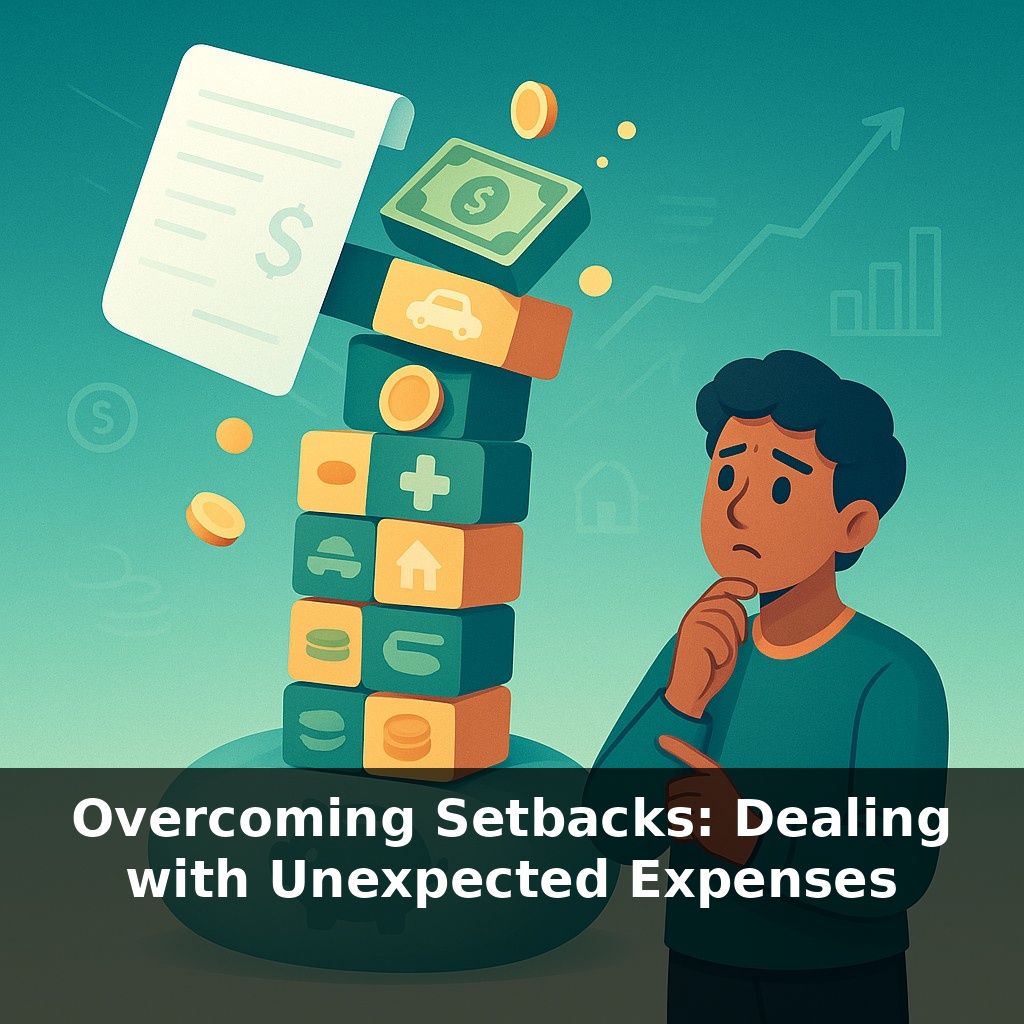
Some money surprises are small annoyances; others feel like someone kicked over your entire financial Jenga tower. The difference isn’t just the size of the bill—it’s what you’ve quietly built *before* anything goes wrong. Think of the people you know who stay calm when life throws a curveball: the friend whose hours got cut but didn’t panic, or the coworker who handled a vet bill without blasting their credit cards. They’re not luckier; they’re more prepared. They’ve set up tiny systems that quietly absorb impact: a buffer in the bank, a plan for which expenses to trim first, even a mental script for “what I do when something breaks.” In this episode, we’ll unpack how to build that same shock absorber into your debt-free journey so a single bad week doesn’t undo a year of progress.
Now we’ll zoom out from single “uh-oh” moments and look at the pattern behind them. Most households don’t get knocked down by one giant disaster; it’s a slow drizzle of annoyances—an appliance dies, a pet needs treatment, a trip gets more expensive than planned. On their own, they’re manageable. In a row, they feel like quicksand. The goal isn’t to predict each specific problem, but to design a money system that assumes they’ll keep coming. That means deciding in advance how much risk you’ll carry, how fast you want to recover, and which tools you’ll lean on when the next surprise shows up.
Most people think “I’ll start saving for emergencies once my debt is gone.” That feels logical, but it’s backwards. The research is blunt: households that carve out even a modest safety cushion while paying off debt are the ones who *stay* out of debt. You’re not choosing between progress and protection—you’re deciding whether your progress survives impact.
Let’s put numbers to it. First, define “essential outflows”: housing, utilities, food, transportation, basic insurance, and minimum debt payments. Not streaming, not vacations. Add those up for one month. That’s your baseline. From there:
- Two-income, stable jobs: target 3–6 months. - Single earner, gig work, commission, or health issues: lean 6–9 months.
Don’t try to leap there in one go. Set “rungs” on the ladder: $500 → $1,000 → one month → three months, and so on. Each rung is a real improvement in how much chaos you can absorb.
Where does the money come from without stalling your debt payoff? Three levers:
1. **Automation.** A small, automatic transfer the day after payday—$20, $50, $100—builds faster than heroic one‑off efforts. People who automate save more *not* because they earn more, but because they remove micro‑decisions.
2. **Pre‑committed rules.** Decide *now* what happens when cash is tight: which subscriptions vanish first, what spending freeze you’ll trigger, how you’ll use windfalls (for example, 50% to emergencies, 50% to debt). This turns panic into a checklist.
3. **Income padding.** A few flexible hours a week—deliveries, tutoring, freelance shifts, overtime—earmarked solely for your emergency bucket. Label that account so it feels untouchable: “Job-Loss Shield” beats “Savings 02.”
A key mindset shift: emergencies are *recurring expenses with uncertain timing*. Treat them like irregular bills you’re proactively funding. That’s also where tools and products can quietly protect you: a basic renters or auto policy that prevents a single incident from becoming a five‑year credit-card sentence; a modest HSA contribution that covers the deductible instead of sending you into 20%-APR territory.
You won’t always get to choose *what* goes wrong. But you can choose how much of your future income you’re willing to sacrifice when it does.
Think about three different people getting hit with the *same* $800 curveball.
Alex has no cash and no plan. The bill goes straight on a card at 20% APR, and the following month’s payment crowds out extra debt payoff. Stress spikes, sleep tanks, and “I’ll fix it later” becomes the default. Six months on, that $800 is still lurking—with interest.
Jordan has $400 in a small safety pot and a loose rule: “I protect my momentum first.” They use the $400, negotiate a payment plan for the rest, and temporarily redirect a side gig toward filling the gap. The hit slows progress but doesn’t reverse it.
Sam has a fuller cushion *and* a system. An auto-transfer quietly rebuilt their stash after the last hiccup. They already decided that job-loss risk matters more than a faster debt-free date, so this bill just triggers a pre-chosen response: tap the fund, pause nonessential extras for 30 days, then replenish. Same expense, three outcomes. The point isn’t perfection; it’s steadily upgrading yourself from Alex toward Sam, one tiny rule and one tiny buffer at a time.
AI will soon quietly scan your accounts and calendar like a weather radar, flagging “storm fronts” weeks before you feel the first raindrop—think seasonal bills, school fees, or higher power use in a heat wave. Your emergency stash could adjust itself, nudging a bit more aside after a high-spend weekend or shrinking transfers when cash is tight. As climate risk rises, expect hyper-local micro-insurance: coverage tailored to your block, your basement, even your commute route.
Your money life will never be completely “drama free,” but it can be less like a cliff edge and more like a hiking path with guardrails and rest stops. As you build that fund, notice how decisions shift: declining overtime feels different, saying no to impulse buys feels lighter. Over time, each small choice quietly votes for a version of you that can take a hit and keep walking.
Here's your challenge this week: Pick ONE recent unexpected expense (like a car repair, medical bill, or last-minute travel) and, by tonight, map out exactly how you’ll absorb it without new debt—decide the dollar amount you’ll cut from eating out, streaming, or impulse buys for the next 30 days and set those limits in your banking app or budget tool. Then, set up an automatic transfer—no matter how small—into a dedicated “Unexpected Stuff” savings fund and schedule it to recur weekly. Finally, choose one specific money “buffer” move from the episode (like selling one unused item, taking one overtime shift, or pausing one non-essential subscription) and complete it before the week ends to jump-start that fund.