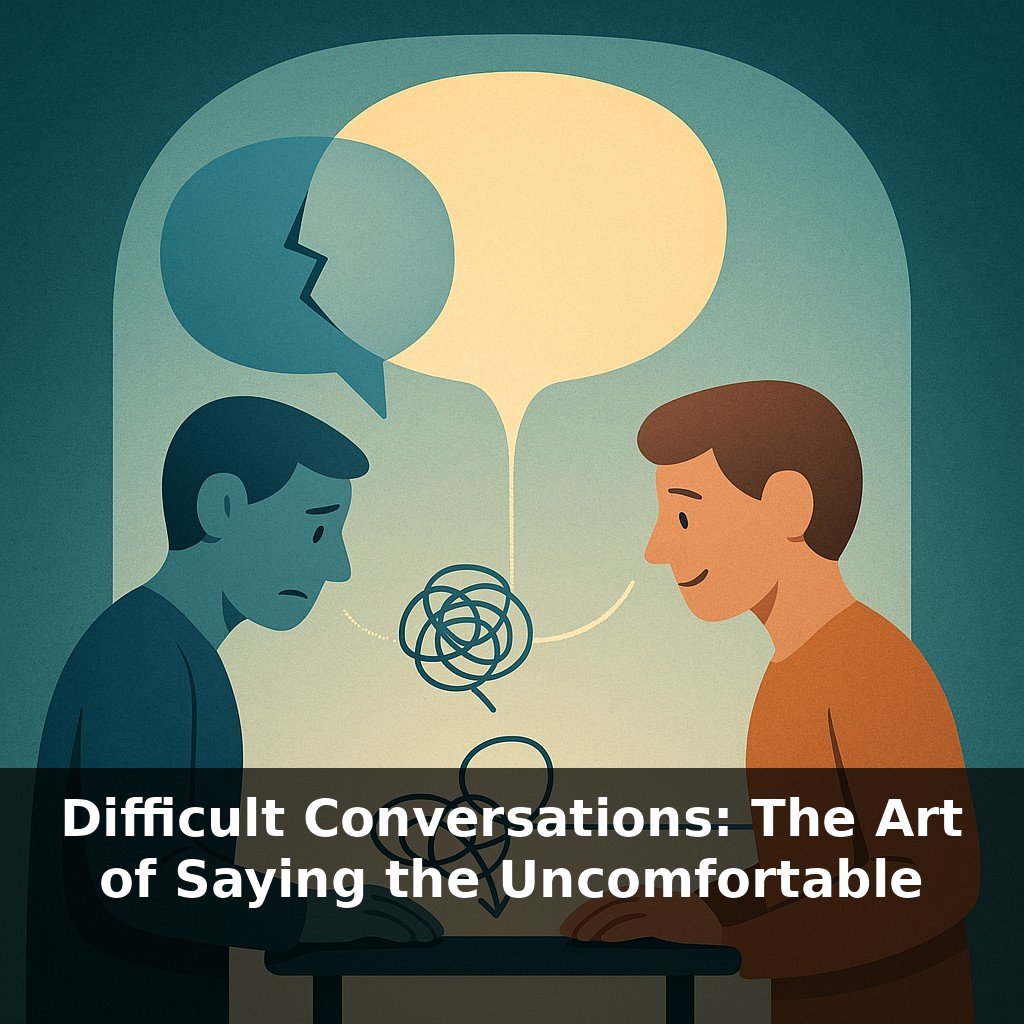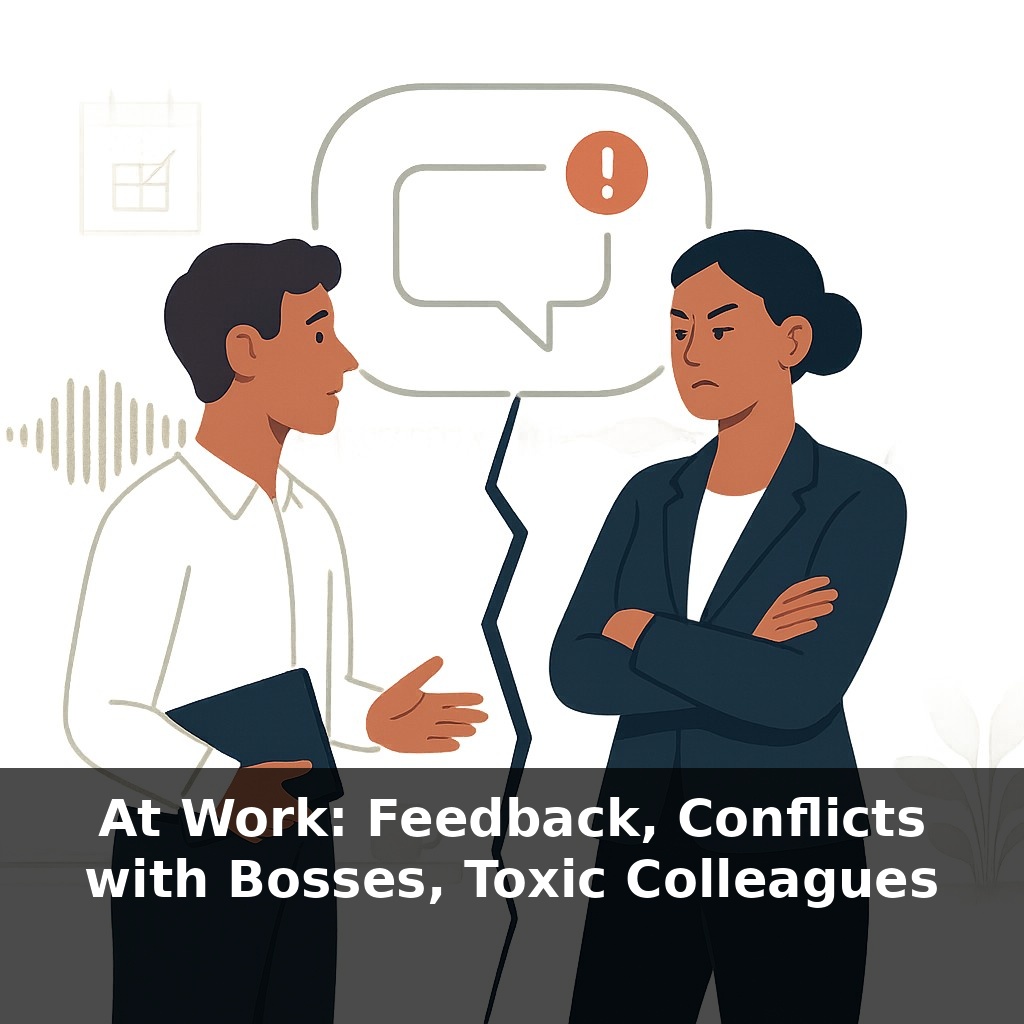
“Your performance is great—so why does your stomach drop when your boss says, ‘Can we talk?’ Here’s the twist: about a quarter of workers say feedback actually helps them. In one office, the highest performer was planning to quit over a single unresolved eye-roll in a meeting.”
That unresolved eye-roll? It didn’t start as a crisis. It started as a tiny crack in trust: a curt “whatever,” a calendar invite mysteriously “lost,” a boss who only gives comments when something goes wrong. Most workplaces don’t explode in dramatic showdowns; they quietly corrode through a hundred small, unspoken slights.
Research in organizational psychology shows that these micro-moments matter. Incivility doesn’t just bruise feelings—it hijacks attention, drains working memory, and quietly rewires how safe we feel to speak up. When safety drops, people stop sharing bad news, bold ideas, and honest reactions. On the surface, things look “professional.” Underneath, resentment and anxiety pile up.
In this episode, we’ll zoom in on those early warning signs—how to spot them, name them, and respond before your workday becomes something you endure instead of somewhere you grow.
Sometimes the warning signs are loud—a boss snapping in front of the team, a colleague sending a snarky reply-all. More often, they’re subtle: you start triple-checking emails to one manager but not another, or you rehearse a simple question three times before speaking. Those tiny shifts in how much you prepare, censor, or second-guess yourself are data. They reveal where power, fear, and unspoken rules are shaping your day. In this episode, we’ll treat your calendar, inbox, and body like a dashboard, learning to read what they’re quietly telling you about the health of your work relationships.
Start with your body. Who makes your shoulders climb toward your ears? Notice what happens in meetings: with some people you lean in, with others you subtly angle your chair away. This isn’t drama; it’s information. Your nervous system is often a more honest reporter than your inner monologue about “being professional.”
Next, scan your calendar and inbox. Where do you procrastinate replies or feel a jolt when a certain name pops up? Those patterns usually fall into three buckets:
1) Mismatched expectations You think you’re doing fine; your boss thinks you “should have known” something unspoken. The gap widens with every “We already talked about this” or vague “Just use common sense.” Here, the work isn’t mind-reading; it’s translating. You need concrete agreements: “For client updates, do you want a weekly email, a shared doc, or a quick stand-up?”
2) Style clashes, not villains Some colleagues default to blunt, others to diplomatic. Some brainstorm aloud; others refine alone. Without language for this, we label: “rude,” “passive,” “controlling.” A simple reframe—“We have different default settings”—can turn friction into a design problem: “When you give feedback, could you start with the goal before the edits? It helps me stay open.”
3) Emerging toxicity This isn’t just “someone I don’t vibe with.” It’s repeat patterns: mocking, eye-rolling, strategic exclusion, subtle sabotage, rules that only apply to some people. Here, your job shifts from “make it smoother” to “protect yourself and create a record.” That means writing down dates, words used, who was present, and concrete impacts on work.
A practical way to respond across all three buckets is to separate three layers in any tough interaction:
- The event: what an audio recorder would capture - Your interpretation: the story your brain tells about it - The impact: what changed in your behavior, focus, or output
Most conflict escalates because we argue about interpretations instead of calmly describing events and impact. Tools like the Situation–Behavior–Impact model sit right in that sweet spot: “In Tuesday’s check-in (situation), when you reassigned my project without talking to me (behavior), I withdrew from the discussion and missed two key details (impact).”
It’s a small linguistic shift that does two big things: it lowers defensiveness and creates a trail. Over time, that trail becomes either a bridge—to better collaboration—or a map you can use if you need to escalate patterns that aren’t changing.
Think of your workday like cooking in a shared kitchen. The ingredients are the tasks, but the real tension hides in how people move around each other. One teammate is the person who leaves dishes “to soak” for days—small, selfish choices that slowly shift everyone else’s workload. Another is the one who rewrites your recipe without telling you, then criticizes the result. Neither moment looks dramatic on its own, but together they change how you plan, speak up, and even whether you want to stay in that kitchen.
To sort out what’s normal friction versus something more corrosive, look for patterns over single moments. A sharp comment once might be stress; a pattern of cutting remarks in front of others is different. Not being invited to one meeting could be oversight; being regularly left out of key conversations that affect your role is a structural issue. When you start spotting these trends, you’re not just “being sensitive”—you’re running diagnostics on the system you work in.
Conflicts at work are starting to leave a trail you can’t see yet—inside hiring, promotion, even investment decisions. As more tools scan chat logs and meeting notes for chronic patterns (who’s interrupted, who’s sidelined), your workplace becomes a kind of weather system: microclimates of respect or erosion. The next edge won’t just be doing your job well, but reading these currents early and choosing when to nudge, when to document, and when to move to clearer skies.
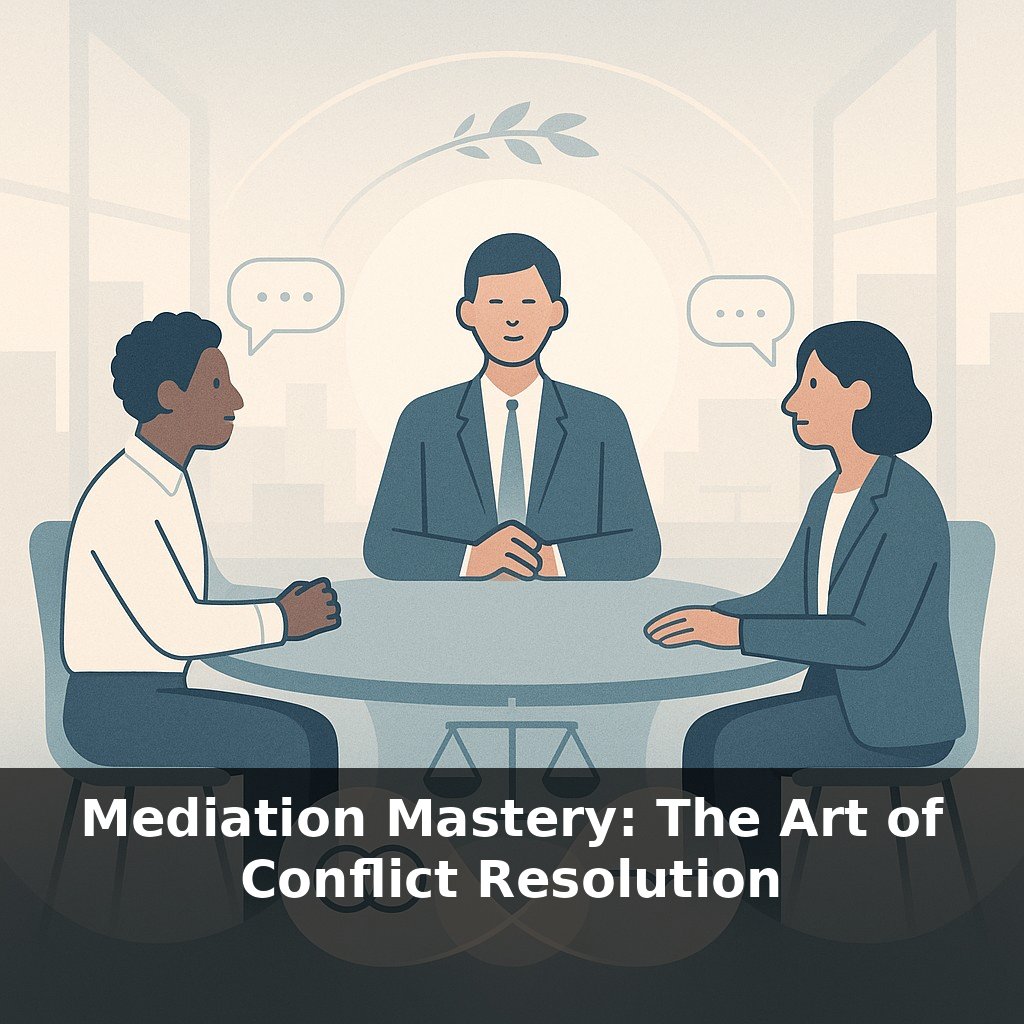
You don’t have to solve every clash alone, but you do have to notice it. Think of each uneasy moment less like a verdict and more like a trail marker: “Something here deserves my attention.” Over time, you’re not just surviving hard dynamics—you’re mapping them, testing small experiments, and learning which paths let you do your best work without shrinking.
To go deeper, here are 3 next steps: (1) Grab the book *Thanks for the Feedback* by Stone & Heen and, before your next 1:1, use their “three kinds of feedback” lens (appreciation, coaching, evaluation) to rewrite one piece of tough feedback you need to give or respond to your boss about. (2) For dealing with a toxic colleague, open the “Boundaries at Work” chapter of *The Book of Boundaries* by Melissa Urban and script 2–3 exact boundary sentences you’ll use in your next interaction (e.g., when they gossip or undermine you), then practice them out loud using the free voice-record feature on your phone. (3) If you’re in an ongoing conflict with your manager, complete the free “Difficult Conversations” worksheet from the Harvard Negotiation Project website and use it to structure a 20‑minute agenda email you can send today requesting a reset conversation focused on shared goals, not personalities.