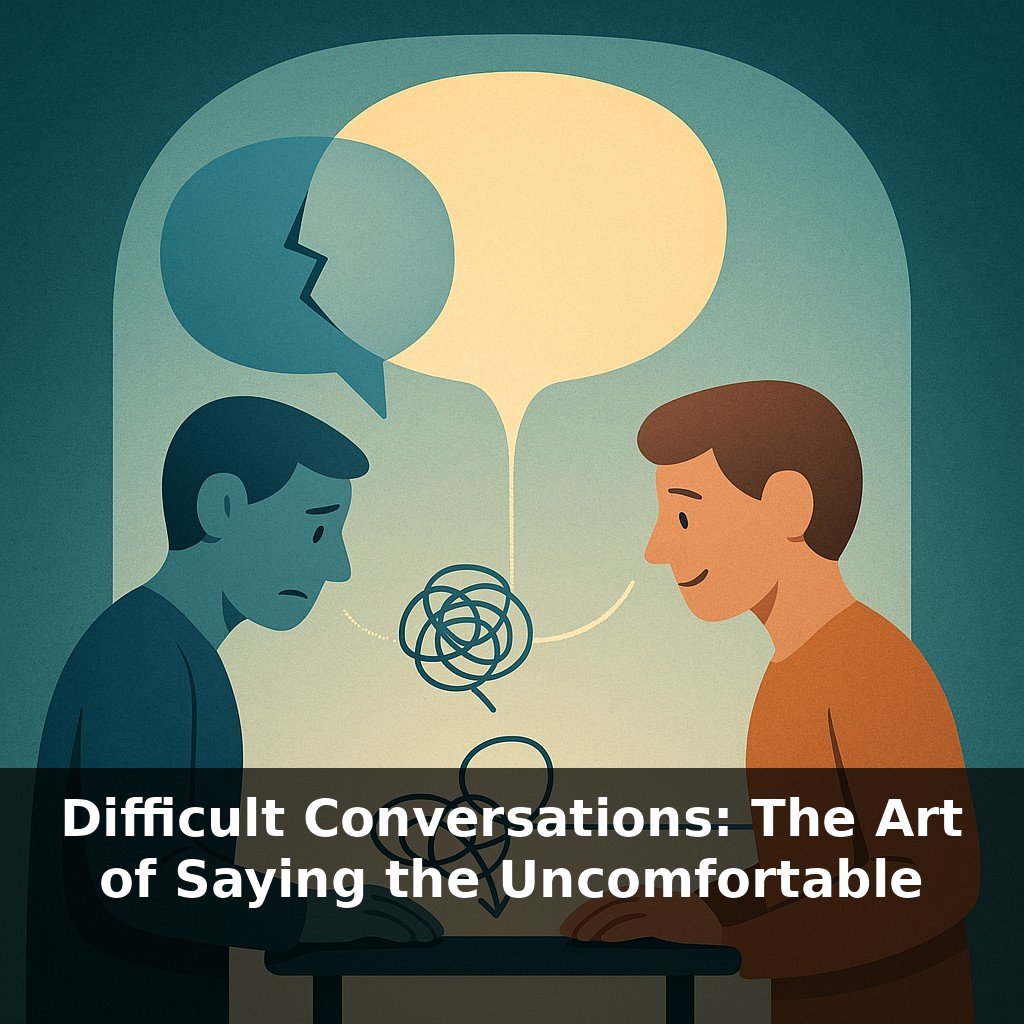
Therapists know this: couples almost never break up because they disagree about money or sex. They break up because they stop talking about them. Tonight, one partner closes a banking app, the other turns off the bedside lamp—and two silent decisions quietly reshape the whole relationship.
Weekly money arguments raise divorce risk by 30 %, but most couples don’t start with “big fights.” They start with tiny edits to the truth: “It was on sale,” “I’m just tired tonight,” “It’s not a big deal, really.” Over time, those edits create separate internal ledgers—about spending, desire, and even what “respect” or “security” means. Research shows that couples who deliberately put these ledgers on the table—through short, structured check‑ins about money, intimacy, and core values—end up not only fighting less, but also feeling more like a team.
This isn’t about interrogations or marathon talks. It’s about creating a predictable, low‑pressure space where you can say things before they calcify into resentments. Think less “intense summit,” more “recurring calendar event” that makes it normal to ask: “Are we still building the same life?”
Those ledgers don’t just track “who spent what” or “who wanted sex when.” They quietly encode three deeper questions: “Am I safe here?” “Are we equals?” “Can I be fully myself with you?” Money, intimacy, and core values are just the visible surface of those questions—like labels on jars that actually hold fears about scarcity, rejection, or losing independence. When couples avoid these topics, they’re often dodging those fears, not each other. Naming that layer is what turns a check‑in from status update into real emotional coordination.
“Sixty percent less negative conflict in three months” sounds impressive, but it only matters if you know what to *do* differently when you actually sit down together. This is where most couples get stuck: they schedule the talk, then recreate the same circular argument in a new time slot.
One useful way forward is to separate three intertwined layers: logistics, meaning, and emotion.
Logistics are the visible events: “We put $400 on the card this week,” “We had sex once,” “You stayed late at work.” These are concrete, measurable, and easy to argue about because numbers and frequencies feel objective. Many couples never move past this level; they’re debating receipts and calendars while something more personal hums underneath.
Meaning is what those events *signify* to each of you. The same $400 might mean “being generous with friends” to one partner and “slipping back into chaos” to the other. “Once a week” might feel loving and connected to one person and vaguely rejected to the other. When you notice a spike of defensiveness—your voice sharpens, you start building a case—there’s usually a meaning clash, not a math problem.
Emotion is the raw, often unpolished layer: “I’m scared we’ll repeat my parents’ bankruptcy,” “I feel replaceable when you watch porn,” “I’m ashamed I want more than you seem to.” Couples often try to fix logistics while skipping this layer, the way someone takes painkillers for a running injury without asking *why* their knee hurts.
In practice, a productive conversation moves in order: start with logistics, get curious about meaning, then share emotion in small, contained pieces. Returning to logistics *after* naming meaning and emotion makes practical decisions feel less like winners and losers, more like joint problem‑solving.
Your job together isn’t to have identical meanings or emotions; it’s to make them visible enough that your decisions stop feeling mysterious or personal. Over time, the pattern shifts from “You’re overreacting” vs. “You don’t care” to “Ah, this is one of our meaning differences—how do we want to handle it this time?”
A simple way to spot the three layers in real time is to notice where the story “tilts.” Say one partner says, “We spent $200 eating out this week.” That’s logistics. The tilt happens with the follow‑up: “That’s way too much,” or “We *deserve* it after this week.” Now you’re in meaning territory—what counts as “too much” or “deserving.” If voices tighten or someone shuts down, you’ve hit emotion, even if no one is naming it yet.
You can treat that moment like a yellow light instead of a green light to argue. Pause the logistics and ask, “What does this represent for you?” or “What’s the scary part here?” This keeps you from “proving the receipt” when what’s actually on trial is reliability, desirability, or fairness.
In bed, the same pattern shows up. “We had sex twice this month” is logistics. “That’s fine” vs. “That feels off” is meaning. A lump in the throat or sudden sarcasm? Emotion, asking to be spoken instead of acted out.
“Couples who talk about sex have better sex” sounds obvious—yet future tools may finally make it easier to *do*. Think biofeedback wearables quietly flagging rising stress during a money talk, or a shared app that notices three cancelled “us-time” blocks and nudges you both with a gentle prompt, like a change in the weather. As work and home merge, the couples who treat these signals as data—not verdicts—will adapt fastest, updating rituals the way others update software.
Your challenge this week: choose one tiny, low‑stakes topic—like how you handle gifts, or what “in the mood” means on a weekday—and walk it through the three layers together. Start with bare facts, then ask, “What does this *mean* to you?” and finally, “What feelings sit under that?” Treat it like taste‑testing a new recipe, adjusting as you go.