“Gartner says most consumer brands will abandon mass email blasts within a few years. Meanwhile, your subscribers are still getting the same one-size-fits-all newsletter. In this episode, we’ll explore a simple shift that makes every email feel personally written for them.”
Gartner’s prediction isn’t just a trend headline—it’s a warning label on how you’re emailing today. If your list still gets a single generic send, you’re quietly training your best subscribers to ignore you. The good news: shifting away from that doesn’t require fancy AI or a massive team. It starts with one question: “Who, exactly, is this email for?”
In this episode, we’ll zoom in on the simple building blocks of segmentation: behavior (what people do), context (who they are right now), and intent (what they want next). Instead of treating your list as a crowd, you’ll start spotting natural groups: the curious browsers, the steady buyers, the ones who vanished after loving you once. Think of it like seasoning a dish: the ingredients stay the same, but a pinch of the right spice changes everything about how it’s experienced.
Now we’ll get practical and zoom in on how to notice those “natural groups” hiding in your list. Start by looking at what people actually do with your emails and offers over time: who opens nearly everything, who only clicks when there’s an offer, who buys once and then goes silent. This isn’t about spying; it’s about respect—meeting people where they are. Your metrics are signals of comfort levels, priorities, even timing. When you stop treating every action as a simple yes/no and start reading these patterns as gradations, your list turns from a flat spreadsheet into a living map of relationships.
Here’s where segmentation stops being theory and starts changing what you actually send.
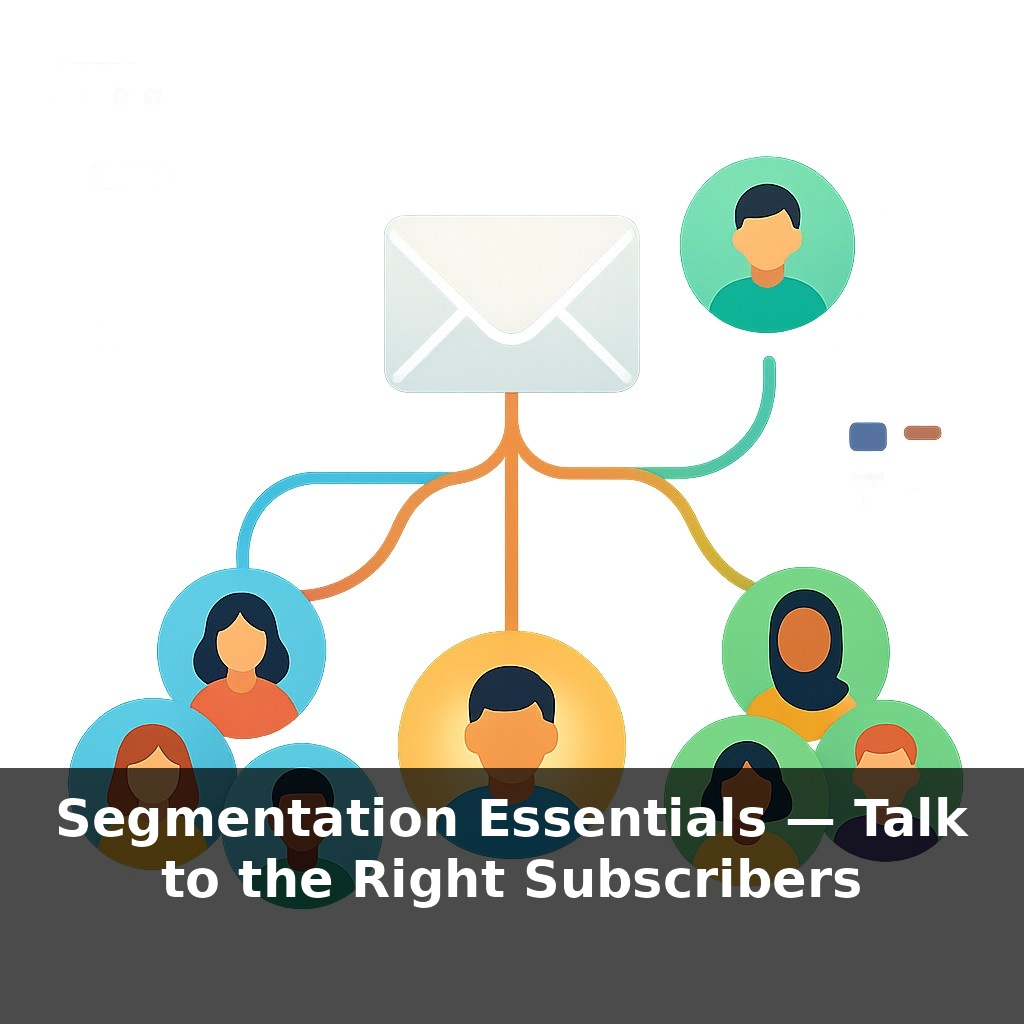
Once you’ve spotted patterns, translate them into simple, rule-based “buckets” that your email platform can understand. Start with three that almost every business can use:
1. **New but unproven** People who joined recently but haven’t bought or clicked much yet. They need clarity and orientation more than offers: what you do, who you help, what “success” looks like with you. A short welcome path here outperforms tossing them into your regular broadcasts.
2. **Warm and engaged** The folks opening and clicking consistently. They’re already leaning in, so treat them like insiders. Give them early access, deeper education, behind‑the‑scenes content. This is often your highest revenue per subscriber segment, so protect it from noise and over-sending.
3. **At risk or drifting** Formerly active people whose opens and clicks have dropped. Instead of pretending nothing changed, acknowledge it. Send check‑ins, preference updates, or lighter‑touch content. Sometimes the best move is less email, not more, to restore trust and inbox goodwill.
Next, layer in **basic tags** that reflect actual decisions people made:
- Purchased / never purchased - Bought X but not Y - Attended webinar / missed webinar - Clicked “learn more” on topic A vs. topic B
Each tag is a tiny story about what matters to that person right now. Use those stories to adjust *angle* and *timing*, not just subject lines. If someone bought your entry‑level product, your next messages should help them get results and naturally introduce the next logical step—not throw them back into “cold prospect” pitches.
Think of it like adjusting a recipe for dietary needs: the core dish stays recognizable, but you might reduce the heat for one guest and add extra protein for another. The point isn’t to invent 20 completely different emails; it’s to create a base version and then add one or two meaningful tweaks per segment.
Finally, constrain yourself. Pick **one or two** segments to treat differently this month, not ten. The power comes from consistently honoring a few clear distinctions, then refining based on what happens—not from building a complex system you’ll never maintain.
A simple way to see this in action: take a single promo you’re planning to send and draft **three variations** of the same core message.
Version A speaks to people who’ve never bought but consistently click your “how‑to” content. Emphasize outcomes, social proof, and a low‑friction first step. Version B is for repeat buyers who always grab new releases in the first 48 hours. Lead with speed, priority access, and “You’re the first to know.” Version C goes to subscribers who only show up for big discounts. Make the offer crystal‑clear, time‑bound, and easy to scan.
Notice you’re not rewriting from scratch; you’re shifting emphasis: risk reduction here, status there, savings for another group. Like a chef plating the same main dish three ways for different palates, you’re respecting what each group consistently tells you with their clicks and purchases—without building a fragile, over‑engineered system you’ll dread updating next month.
Soon, those quiet “micro‑choices” subscribers make—tapping a product detail, pausing on a tutorial, skipping a sale—will feed real‑time segments that shift as quickly as a summer storm system. Your job becomes less “blast planner” and more “air‑traffic controller,” routing each message based on fresh conditions. As inboxes get smarter, they’ll reward senders who consistently match mood and moment, and sideline those who ignore the evolving weather of their audience’s attention.
Treat each tiny data point like a note in a recipe margin: “more spice here, less sugar there.” Over time, those scribbles turn into house specialties your audience craves. Your challenge this week: pick one upcoming send and create two small, meaningful variations. Watch which version subscribers “order” more often, then refine your menu from there.