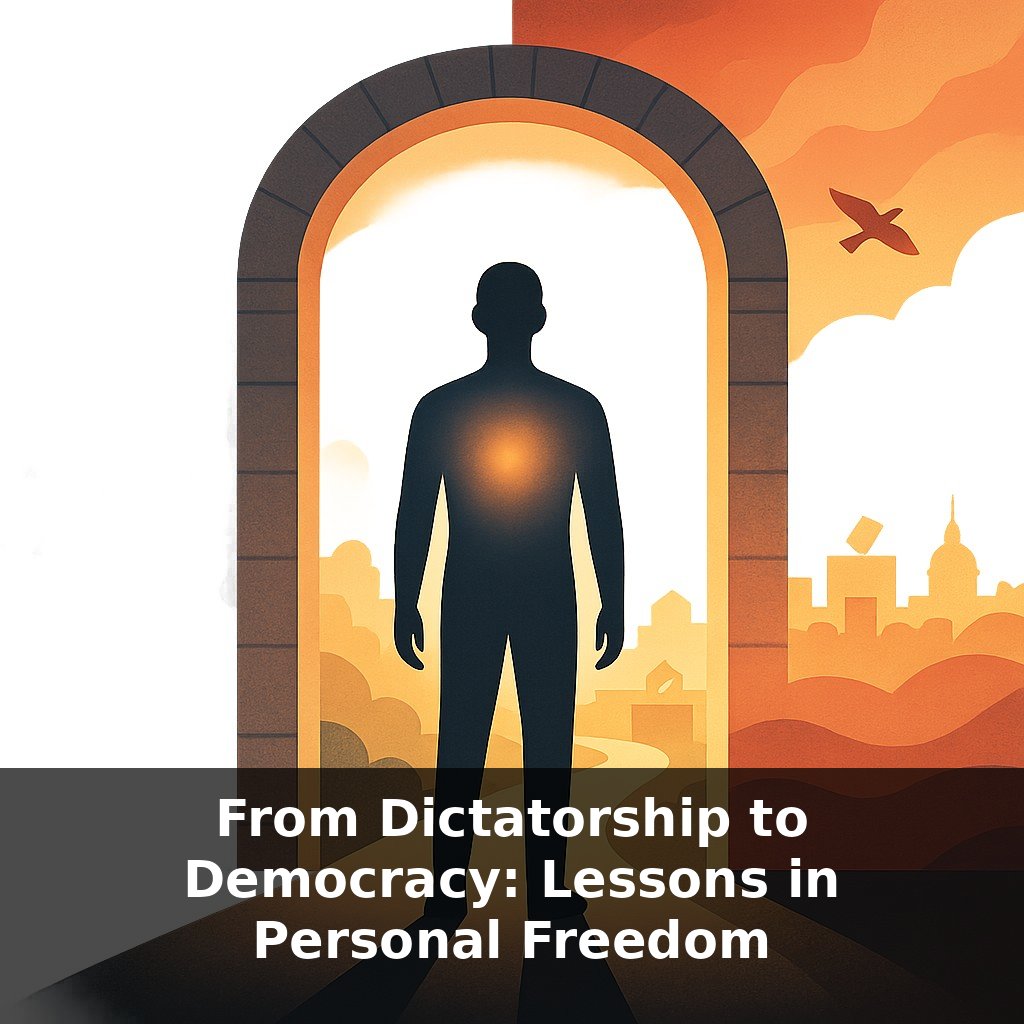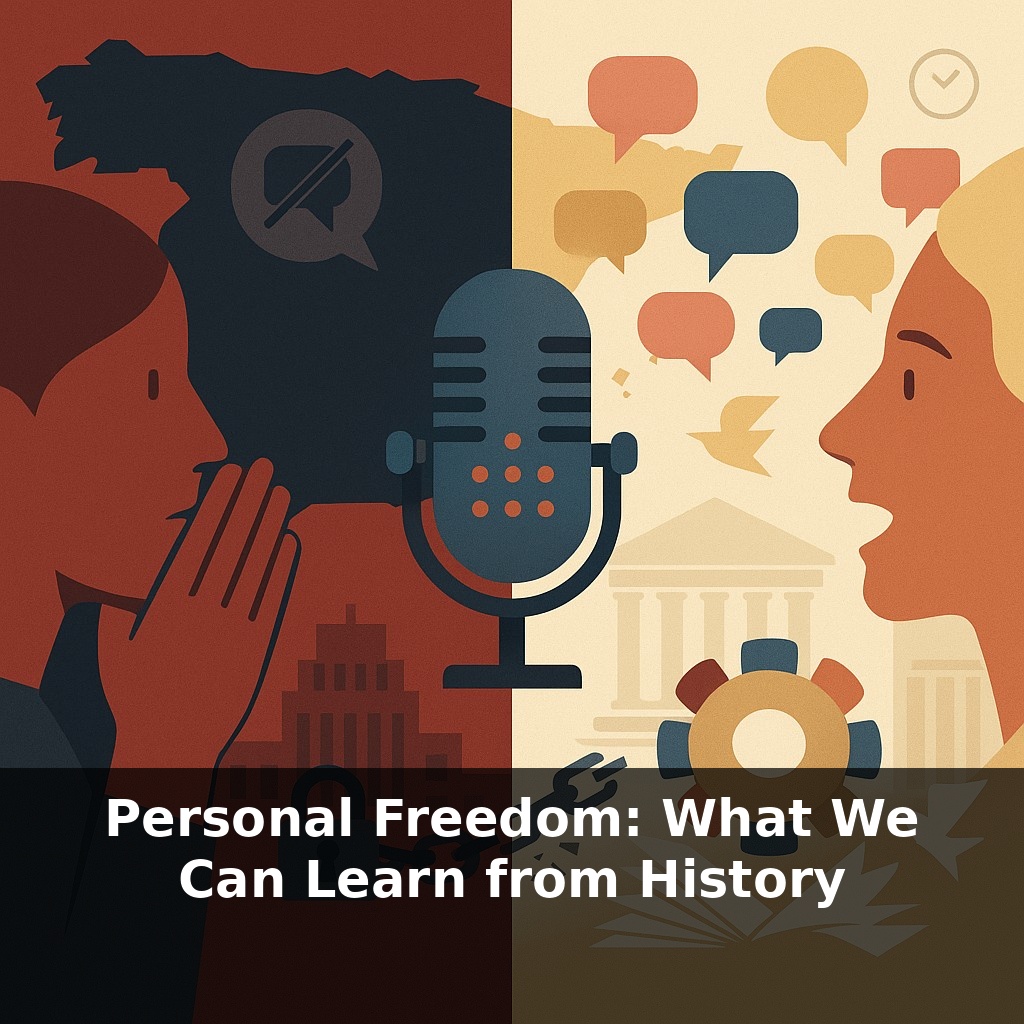
A dictator once banned an entire country from even *using* the word “democracy” in public—yet, within one generation, that same country became one of the freest in the world. How does a society go from fear of speaking to defending freedom as a daily habit?
In Spain, that transformation didn’t begin with a grand speech; it began with paperwork, arguments, and uncomfortable compromises. After Franco, political parties that had been enemies—or illegal—sat at the same table to design rules they all agreed would bind *them too*. The result was a constitutional framework where power had fences, not just doors. Ordinary people felt this in small, concrete ways: suddenly you could join a protest without checking who was watching, start a newspaper that criticised ministers by name, or take the government to court and actually win. These shifts weren’t just legal; they rewired habits. Families that once lowered their voices at the dinner table began debating loudly. Associations, neighbourhood groups, and student unions multiplied, like apps appearing on a newly opened platform, each testing how far those rights could really go.
Those early years were messy. The new rules on paper had to survive strikes, attempted coups, terrorist violence, and economic crises. Each shock forced a test: would leaders use fear as an excuse to roll back liberties, or let the new system absorb the hit? Think of the 1978 Constitution as source code pushed into production: bugs appeared, patches were added, but the core architecture stayed. At street level, people learned through trial and error how far they could push—organising, publishing, marching—until what began as cautious permission slowly hardened into expectation. Rights became less a gift, more a baseline.
When people talk about Spain’s transition, they often skip straight from “dictatorship” to “modern European country” as if everything important happened in a single referendum. The reality was slower, and more interesting: piece by piece, different kinds of freedom came online at different speeds.
Start with the 1978 Constitution. It didn’t just proclaim lofty ideals; it spelled out 25 concrete rights and mentioned “libertad” 17 times, making it unusually detailed by European standards. That precision mattered. It gave judges, journalists, and citizens a toolkit: clauses to quote, articles to test, limits to invoke when officials overreached. Court cases in the 1980s and 1990s quietly turned those words into everyday shields—limiting censorship, protecting unions, and forcing transparency from ministries that had inherited secrecy as a reflex.
At the same time, something more subtle was happening in the streets and living rooms. Voter turnout of 79.8% in the 1977 elections wasn’t just a number; it signaled a population willing to take ownership of the new rules. Political parties rooted in old civil war divisions learned—often grudgingly—to lose elections without reaching for tanks or banning rivals. That acceptance of alternation in power is a form of cultural muscle you only build by using it.
As Spain integrated into Europe, new layers of autonomy appeared. Local and regional governments gained room to experiment with language policies, education models, and media regulation. Sometimes they clashed, sometimes they cooperated, but citizens acquired multiple arenas to assert their preferences rather than depending on a single distant capital.
The early 2000s showed another frontier: personal and family rights. When Parliament legalised same-sex marriage in 2005, by a vote of 187–147, it wasn’t just ticking a symbolic box. It rewrote how the state recognised love, inheritance, parenting, and hospital visitation. Surveys later showed that public opinion moved with the law rather than against it—the formal guarantee helped normalise new expectations inside families and workplaces.
Measured from the outside, these shifts are visible. By 2023, Spain scored 94/100 in the World Bank’s “Voice & Accountability” index; in 2022, 81% of Spaniards told Eurobarometer that democracy is preferable to any alternative. But from the inside, the story is less about rankings and more about habits: citizens filing complaints when a municipality hides contracts, journalists publishing leaked documents about police abuses, neighbours organising when a public square is fenced off without debate.
Yet each gain brought new tensions. Economic crises left youth unemployment near 20%, raising a hard question: what does it mean to have formal rights if you can’t afford to move out, study, or refuse exploitative work? Digital technologies increased access to information but also opened doors to mass data collection and targeted manipulation. The threats shifted from censors with scissors to opaque algorithms and underregulated platforms.
That’s why Spain’s experience matters beyond its borders: it shows that once core liberties are in place, the real work is iterative. Institutions must be updated, watchdogs strengthened, and blind spots acknowledged. Every generation inherits not a finished system, but an unfinished project whose weak points often sit where yesterday’s victories created today’s complacency.
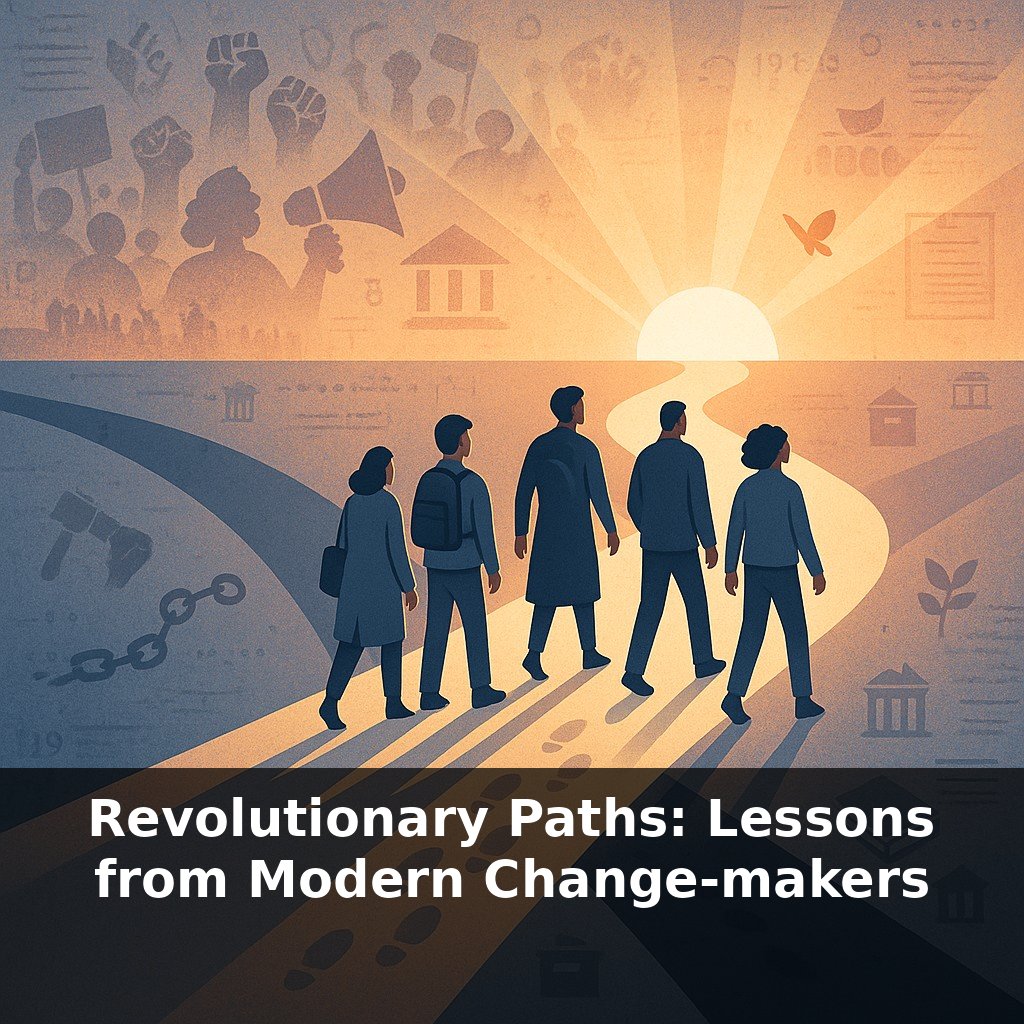
A useful way to see Spain’s story is through small, ordinary shifts. Think of a local parent association challenging a school director over a discriminatory rule. No grand speeches, no national headlines—just parents using procedures, demanding minutes, insisting on transparency. In the 1980s, that kind of pushback felt risky; by the 2000s, it was closer to routine. Or consider a regional environmental group opposing a poorly explained construction project. They file access-to-information requests, mobilise neighbours, invite critical scientists, and eventually win a partial redesign. Each such victory is narrow, but together they build a reflex: “we’re allowed to contest decisions.” One powerful episode came when digital rights collectives started questioning how police used facial-recognition tools at protests. Instead of treating new tech as untouchable, they treated it like any other policy—subject to oversight, limits, and revision. In all these cases, the key is practice: people testing edges, learning procedures, and slowly expanding what feels normal to question.
Spain’s next tests arrive quietly, in code, budgets, and classrooms. An AI system screening job applicants, for example, can smuggle old biases behind a neutral dashboard. Regional finance deals may ease tensions yet deepen gaps between neighbours. And a media‑savvy teenager can still be trapped in an information bubble. The emerging lesson: tomorrow’s limits may look efficient, personalised, or convenient—precisely why they’ll be harder to spot, and easier to accept.
Spain’s story suggests the real test comes when no one is marching and headlines are quiet. That’s when trade deals, data policies, and school curricula quietly redraw the edges of what’s possible. Your challenge this week: notice one “small” rule in your daily life that shapes your choices more than you realised—and ask who set it, and why.