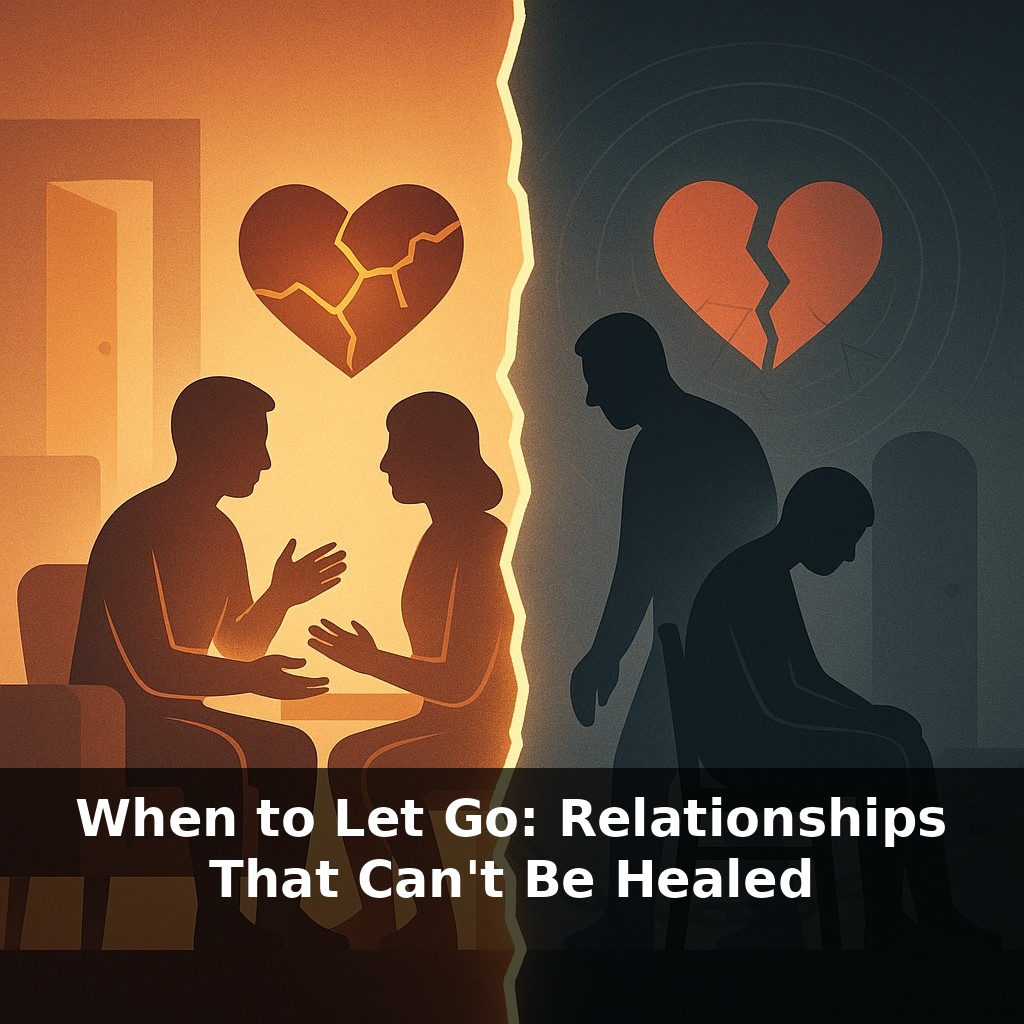
About one in three women worldwide will be harmed by an intimate partner. Now, hold two scenes side by side: a couple yelling but then cooling down and repairing… and another where apologies sound perfect but nothing ever changes. Why do some bonds heal while others quietly poison us?
Here’s the hardest truth most people avoid: not every relationship is meant to be “fixed.” Some are structurally unsafe, no matter how much empathy, therapy, or sheer willpower you pour in. Psychology research shows there are red flags that don’t just signal “we’re struggling,” but “this bond may be beyond repair”—patterns like chronic contempt, repeated betrayal, or a one-sided commitment where only one person keeps showing up. These aren’t rough patches; they’re more like hairline fractures that run through the foundation. You might keep rearranging the furniture—better communication, more date nights, longer talks—but the floor still buckles beneath you. The real question becomes less “How do we mend this?” and more “At what point does staying cost me my safety, self-respect, and long-term health?”
Research adds another uncomfortable layer: some dynamics don’t just hurt your feelings, they rewire your body. Chronic conflict is linked to higher inflammation, sleep disruption, even weakened immune response over time. Kids absorb this too—high-conflict homes can leave their nervous systems stuck on high alert, long after the shouting stops. And still, many people stay because the good moments sparkle just enough to blur the pattern, or because leaving feels like failing. Untangling that knot means asking a different question: not “Is there love here?” but “Is the way we love each other actually sustainable?”
“Only 11% of couples who separate actually reconcile long-term.” That University of Utah finding cuts through a comforting fantasy: that time apart, a grand apology, or one more “serious talk” will magically reset everything. Most of the time, the system doesn’t reboot—it repeats.
So how do you tell the difference between a relationship that’s just in intensive care and one that’s on life support with no brain activity? One way is to look not at feelings, but at **patterns plus effort plus impact**.
Patterns: Are the destructive behaviors occasional spikes under stress, or the background climate? Notice whether put‑downs, lying, or stonewalling are rare exceptions—or the “normal” you’ve learned to brace for. When research talks about predictors of breakdown, it’s describing behaviors that become routines, not accidents.
Effort: When harm is named, what happens next? In relationships that recover, both people usually: - acknowledge specific behaviors (“I yelled and called you names”) - show consistent follow‑through (not just a good week) - accept limits and consequences (“If I do this again, we pause the conversation / leave the room / get help”)
In relationships that don’t heal, you tend to see circular moves: big promises, temporary improvements, then a slide back into the old script—often with more blame or minimization.
Impact: Set aside the story you tell about the relationship. What does your body say? Do you sleep worse on nights before seeing them? Get stomach aches when their name flashes on your phone? Feel a small panic when you hear keys in the door? That’s data. Your nervous system is often less sentimental—and more honest—than your thoughts.
One helpful lens is **reciprocity over time**. In workable relationships, care, repair, and responsibility may not be 50/50 every day, but they average out in a way that feels basically fair. In unworkable ones, you can map years where one person is always the explainer, the forgiver, the one reading the books and suggesting therapy, while the other person’s investment barely moves.
Ending that kind of dynamic isn’t about “giving up too soon.” It’s closer to a medical decision: when repeated interventions don’t change the prognosis, continuing the same treatment stops being hopeful and starts being harmful—to you, and often to any children watching.
Your challenge this week: without confronting anyone or announcing decisions, quietly track your **body’s reactions** in this relationship. Each day, jot down: - moments you feel physically tense, scared, or numb around them - what just happened, and how long the feeling lasts
By week’s end, you’re not judging, just looking at the map of how your nervous system is actually living this relationship.
Sometimes the clearest signals show up in the smallest, most ordinary moments. A partner “jokes” about your weight in front of friends. You laugh along, but later you notice you’ve lost your appetite and keep replaying the scene. Or they scroll their phone while you’re crying, then later send a long, polished text about how much you mean to them. The words sound right, yet your chest still tightens when you reread it.
Other times, the pattern hides inside *good* memories. You think of that spontaneous weekend away—but forget it came right after they screamed at you for an hour and punched a wall. The high wasn’t random; it was damage control. If you’ve ever caught yourself thinking, “They’re really sweet when they’re not angry,” that split itself is a clue.
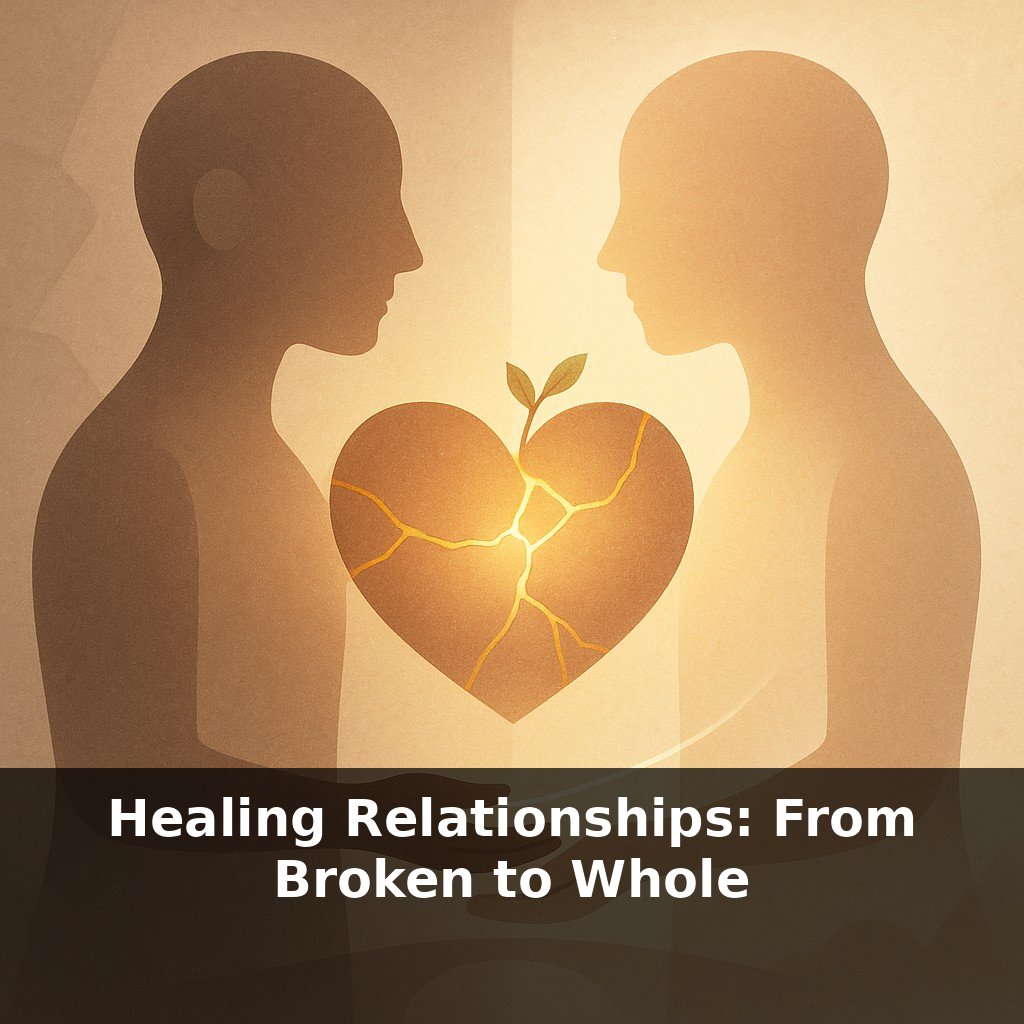
One metaphor some therapists use: not all conflict is “infection” you can treat; sometimes the structure itself keeps re-breaking. Like a bone that was never set properly, every new stress cracks it in the same place, no matter how carefully you walk afterward.
Leaving relationships that can’t be repaired doesn’t just affect you; it shifts cultures. As more people name patterns that won’t change, “staying no matter what” loses its moral shine, and “leaving to stay sane” looks less like failure and more like flu prevention—you wash your hands earlier, you don’t wait for the whole house to get sick. That clarity pushes schools, apps, courts, and even workplaces to design around exit doors that are visible, safer, and easier to walk through.
Choosing to walk away isn’t about proving the past was “all bad”; it’s about deciding how you want the *rest* of your life to feel. You’re allowed to want steadier weather, not just fewer storms. Over time, you may notice how calm friends, stable routines, even quiet hobbies begin to feel less “boring” and more like evidence that your nervous system finally has room to breathe.
Start with this tiny habit: When you catch yourself rereading an old text thread or replaying the last big argument in your head, gently whisper to yourself, “This is me holding on,” and place one hand on your chest for a single deep breath. After that breath, tap the name of one trusted person in your phone and just send: “Hey, can I vent for 2 minutes?” When you notice the urge to justify their hurtful behavior (“they’re just stressed,” “it’s partly my fault”), pause long enough to add the simple question in your mind: “But what would I tell a friend in my exact situation?”