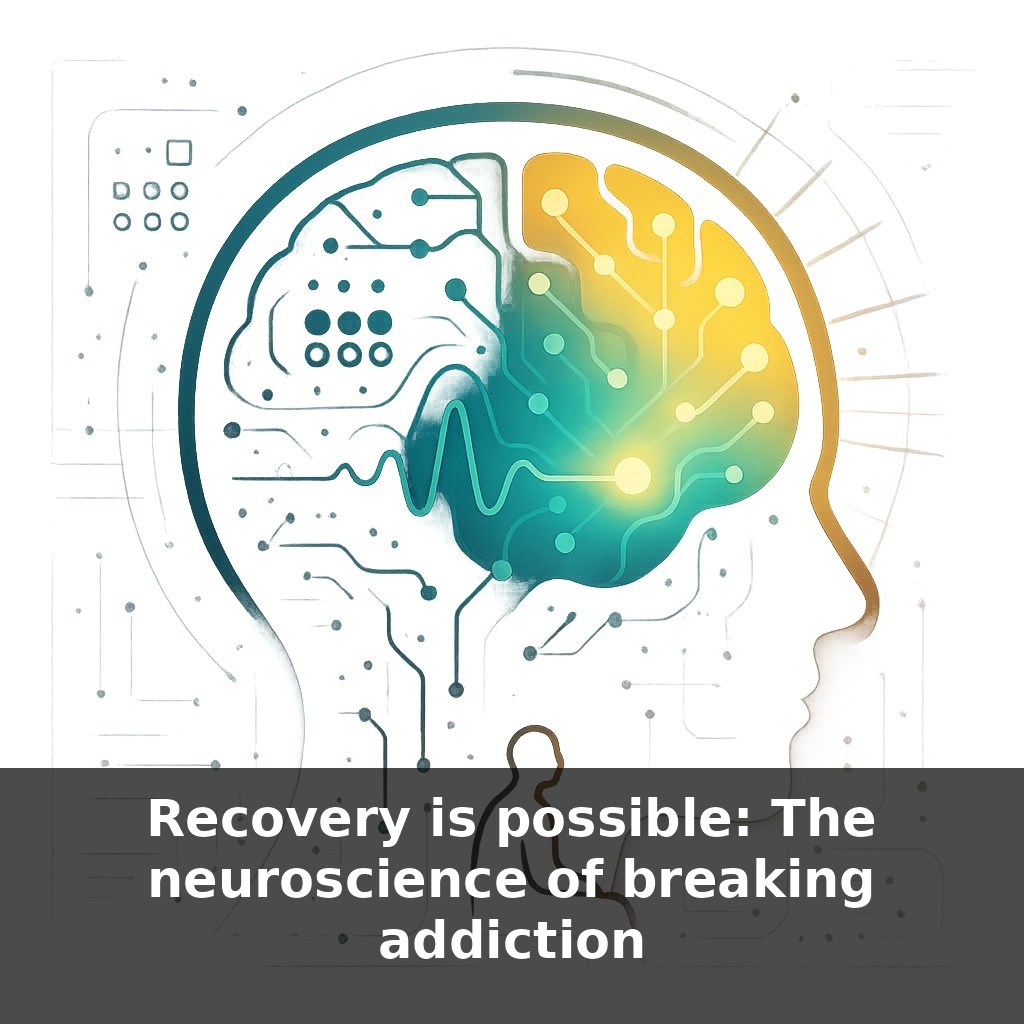
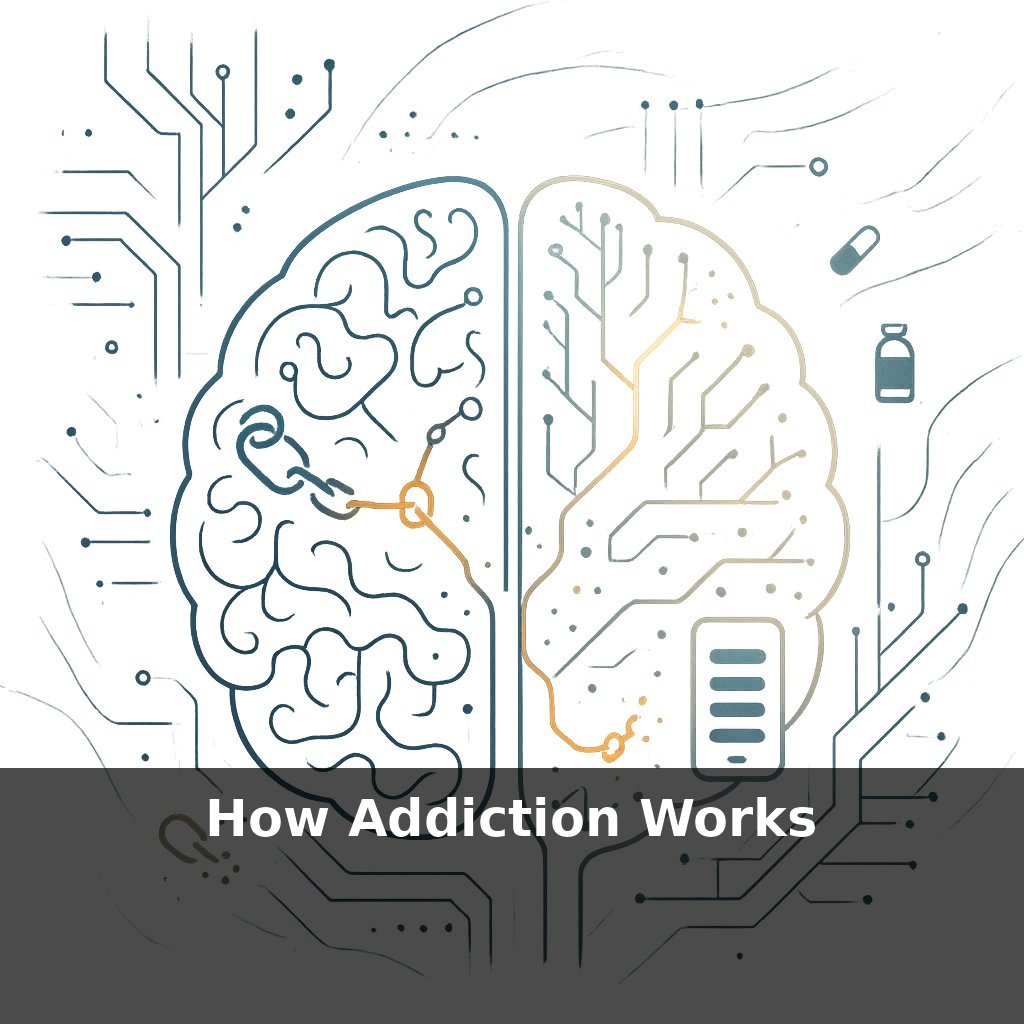
Right now, somewhere in the world, a brain is quietly repairing damage from addiction. No clinic visit, no miracle cure—just time away from the drug, new habits, and different people. The twist: scanners can actually watch self-control circuits turning back on.
A former drinker sits in a lab, playing a simple decision-making game while a scanner tracks their brain in real time. Months earlier, those same choices lit up the reward system like a slot machine. Today, different regions flicker on—the ones that help weigh consequences, pause, redirect. This isn’t willpower as a moral virtue; it’s willpower as a trainable brain function.
Neuroscience is increasingly blunt on one point: addiction *changes* the brain, but the brain is not a one-way street. Circuits that once overreacted to alcohol, opioids, or gambling cues can be quieted; others can grow stronger, more coordinated. Recovery turns out to be less like flipping a switch and more like learning a new musical instrument—awkward at first, then gradually smoother as networks sync up through repetition and feedback.
In this episode, we’ll look at what that “retraining” actually involves.
Neuroscientists can now watch this retraining unfold almost like a live performance review. Instead of just asking people how they feel in recovery, labs track how fast they shift attention, how strongly they react to stress, how quickly they rebound after a craving spike. Over months, scans often show less “pull” from drug cues and more stable activation in areas that support planning and emotional balance. At the same time, everyday choices—sleep, movement, who you spend time with—quietly feed into these circuits, nudging the brain toward patterns that make the next healthy choice slightly easier.
Neuroplasticity is the engine under all of this. At a microscopic level, every “healthy” choice in recovery is a vote cast by tiny synapses: some connections strengthen, others wither. Over time, those votes add up to something you can feel—less mental chaos, a bit more room between urge and action.
One major shift happens in the reward system itself. Early in addiction, dopamine surges train the brain to treat the drug as a top priority. During recovery, that same system can be recalibrated to respond more to natural rewards: a run, a good meal, a conversation that actually lands. Studies in former stimulant users show that, month by month, their reward circuits light up more for non‑drug stimuli and less for old triggers, suggesting that pleasure isn’t lost—it’s being reassigned.
Another key change occurs in circuits for planning and error‑correction. Tasks that test flexibility—switching rules, updating strategies, inhibiting a response—activate networks spanning the prefrontal cortex and deeper structures. In people doing structured therapy or skills training, these networks become more efficient: fewer errors, faster adjustments after a mistake, more consistent engagement under stress. That translates outside the lab into things like leaving a party early rather than “testing” yourself, or calling a friend before a craving peaks.
Environment and relationships shape these brain shifts more than most people realize. Social isolation tends to amplify stress circuitry and narrow attention onto immediate relief. In contrast, being embedded in a supportive group—peer meetings, a stable workplace, a team sport—creates repeated experiences of safety, predictability, and shared goals. Those experiences dampen chronic threat responses and make long‑term rewards feel tangible instead of abstract.
Medication can accelerate or stabilize this remodeling. By smoothing out withdrawal, blunting euphoria, or normalizing dopamine tone, medications free up mental bandwidth. That extra bandwidth is exactly what therapy, new routines, and social connections need in order to “stick” as physical changes in the brain.
A chess player in early recovery might start by changing one opening move: leaving their phone outside the bedroom, or skipping the bar on the way home. At first, it feels insignificant. Yet, over weeks, data from habit‑tracking studies show that small, consistent “micro‑moves” cluster into patterns—like always calling a certain friend after work—that strongly predict who stays sober.
Consider a person who adds three brisk walks a week. Beyond mood benefits, exercise studies in recovery settings find better performance on planning tasks and fewer impulsive choices on lab tests of delay discounting (choosing $50 today vs. $100 later). Their calendar hasn’t changed much, but their “default” decisions quietly tilt toward long‑term payoffs.
One carefully used medication, one weekly support group, and one structured coping strategy can intersect like a medical team coordinating care: each piece covers a different vulnerability, making lapses less likely to cascade into full relapse.
Neuroscience is now nudging policy to treat recovery less like punishment and more like rehab for an injured organ. As tools get smarter—apps that sense risk before you do, wearables tracking stress like a weather report—care could feel more like continuous coaching than crisis cleanup. Think of communities upgrading from fire alarms to sprinkler systems: not just sounding alerts when relapse flames up, but quietly keeping conditions safer long before anything ignites.
Recovery, then, is less a finish line and more a long, winding trail system your brain keeps mapping. Detours, switchbacks, even getting lost don’t erase the paths already cut; every return trip firms them up. As tech, medicine, and community tools improve, more people can carry better maps—and walk together instead of alone.
Before next week, ask yourself: 1) “When I feel the urge to use (or relapse), what’s the *exact* sequence—time of day, place, emotion, thought—that usually comes right before it, and where in that sequence could I realistically interrupt it with a 10-minute ‘circuit breaker’ (like a brisk walk, cold shower, or calling someone)?” 2) “If my brain is literally rewiring with every repetition, what is *one* specific daily habit I’m willing to repeat at the same time each day this week (e.g., a 5-minute breathing practice when I wake up) that supports the ‘recovery pathway’ instead of the ‘addiction pathway’?” 3) “Who is one person I can tell, in the next 24 hours, *exactly* what my biggest trigger is and what I want them to say or do when I text or call them in the middle of a craving?”