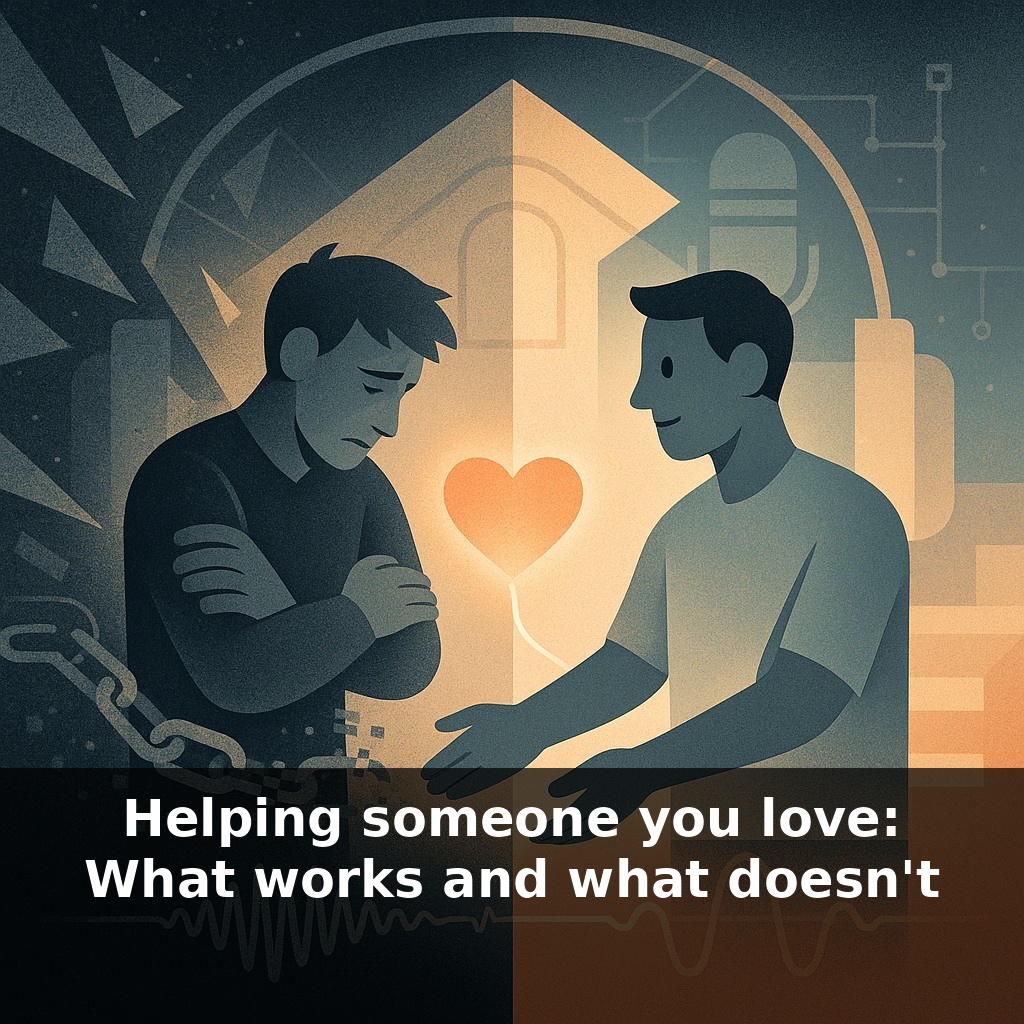
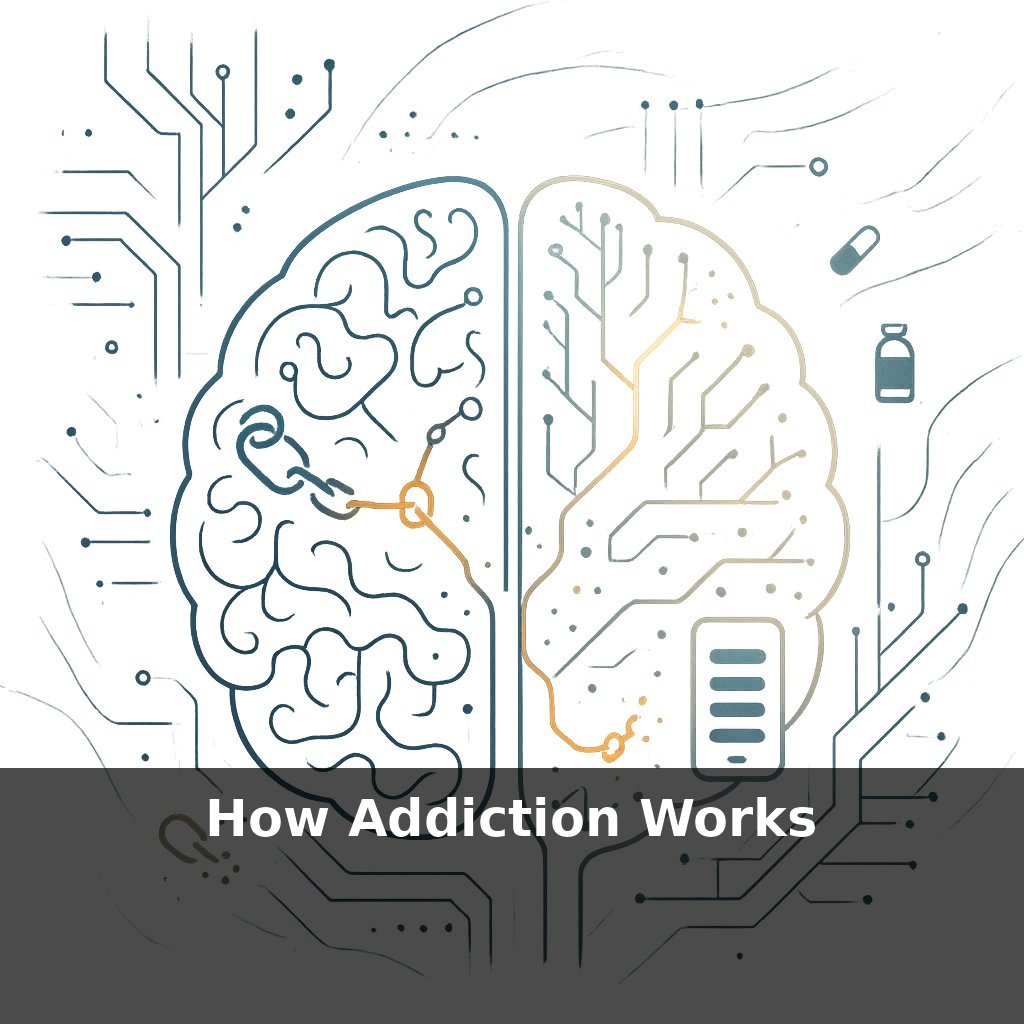
About half of people who beat addiction don’t do it alone—they do it with one key ingredient almost nobody talks about. Picture two families: one using threats and ultimatums, the other using structure and calm persistence. Same love, totally different outcomes.
One of the most uncomfortable truths in helping someone you love is this: you can pour in endless effort and still accidentally feed the very thing you’re trying to fight. You might cover their rent “just this once,” call in sick for them, smooth things over with friends or bosses—each move feels caring in the moment. But over time, those tiny rescue missions can add up to a safety net that addiction quietly learns to rely on. Support that works looks different: it’s less about heroic saves and more about steady, predictable signals—what you’ll do, what you won’t, and how you’ll respond when the addiction breaks the rules, the way a good coach shows up to every practice, not just the championship game. That shift—from crisis-driven reactions to consistent, planned responses—is where real leverage lives.
So what actually helps, beyond good intentions? Research keeps pointing in the same direction: the best outcomes come when caring relatives plug into evidence-based care instead of trying to improvise. That means things like Medication-Assisted Treatment for opioids, therapies that help the person find their own reasons to change, and family approaches where you learn specific skills instead of just “being there.” Think of it less as a dramatic rescue and more as quietly joining a well-designed training program where you’re one of several coordinated supports, not the entire solution.
When researchers follow families over years, a pattern keeps showing up: it’s not how *much* you care that predicts better outcomes—it’s *how* that care is delivered. Two people can offer the same amount of love and time, yet one creates momentum toward recovery while the other, unintentionally, keeps the cycle stuck.
The approaches that actually move the needle tend to share three ingredients: clarity, collaboration, and consistency.
Clarity means you stop arguing about whether there’s “really a problem” and start tracking concrete, observable things: missed workdays, money gone, accidents, hospital visits, broken plans. Those specifics do two things: they cut through denial, and they give you a way to measure whether things are getting better or worse. Vague impressions fuel endless debates; numbers and patterns are harder to dodge.
Collaboration is where you shift from “I’m going to fix you” to “Let’s build a team around this.” That usually means looping in professionals, but also deciding who in the family does what. One person might handle appointment logistics, another might focus on keeping conversations calm, another on learning about relapse warning signs. Spreading the load reduces burnout and makes it less likely that everything collapses when one person is exhausted or fed up.
Consistency is where most people struggle. It’s incredibly tempting to change the rules based on emotion: you’re firm when you’re angry, flexible when you’re scared, permissive when they seem “almost themselves again.” Addiction learns those patterns quickly. What helps instead is pre-deciding: “If X happens, we do Y,” and then sticking to it whether it’s Tuesday afternoon or 3 a.m. Sunday.
Here’s the counterintuitive part: being consistent does *not* mean being rigid. The families who do best adapt their plan over time—based on what actually works—without renegotiating it in the heat of every crisis. It’s more like adjusting a travel route as new traffic data comes in: you still know where you’re headed, you’re just getting smarter about how to get there.
Your challenge this week: pick one relationship pattern you want to shift—from vague to specific, from solo to team-based, or from emotional to pre-decided—and experiment with changing just that one variable.
Think of three levers you can actually touch day to day: how you talk, what you reward, and what you step back from.
For conversations, some families treat hard talks like a weekly “team huddle.” Same time, same place, short agenda: “What went a bit better? What clearly didn’t?” That rhythm can lower the emotional temperature because no one is wondering *when* the next explosion will happen.
For rewards, contingency-style approaches can be small and concrete: access to the car only when appointments are kept; shared dinners on nights they come home sober; help with a course once they’ve stuck with treatment for a month. You’re not bribing; you’re aligning privileges with healthier choices.
For stepping back, some relatives quietly stop doing one rescue behavior—covering overdrafts, lying to employers, cleaning up messes—and tell the person ahead of time: “I love you, but I won’t do X anymore. Here’s what I *can* do instead.” Over time, that shift can make natural consequences visible enough that change feels more urgent—and more possible.
Recovery science is quietly getting more personalized. Wearables, passive phone data, and genetic clues may soon flag relapse risk the way weather apps flag storms—early enough to change course. As treatment shifts toward harm reduction, families could become more like informed co-pilots: tracking patterns, spotting red flags, and helping adjust care in real time. The more common this becomes, the less addiction looks like a “moral failing” and the more it feels like a treatable health condition.
Progress often feels less like a straight line and more like tuning an instrument: small twists, frequent listening, occasional reset. You won’t hit the perfect note every day—and that’s normal. What matters is staying curious: Which tiny adjustments today make things 1% safer, 1% calmer, 1% more honest? Over time, those 1%s can reshape the whole song.
Before next week, ask yourself: 1) “When my loved one is struggling, do I jump in with fixing, advice, or ‘at least…’ statements instead of saying things like ‘Tell me more’ or ‘That sounds really hard’—and what would it look like, in the very next conversation, to just sit in the discomfort and listen for 5 extra minutes?” 2) “If I had to ask them one curious, non-intrusive question this week—something like ‘What kind of support actually feels helpful to you right now?’—when could I ask it, and how will I remind myself not to defend or explain, just to hear the answer?” 3) “Where have I been quietly keeping score or feeling resentful about ‘doing so much’ for them, and what boundary or clear request (for example, ‘I can talk for 20 minutes tonight, then I need to rest’) could I try this week to make my support more honest and sustainable?”