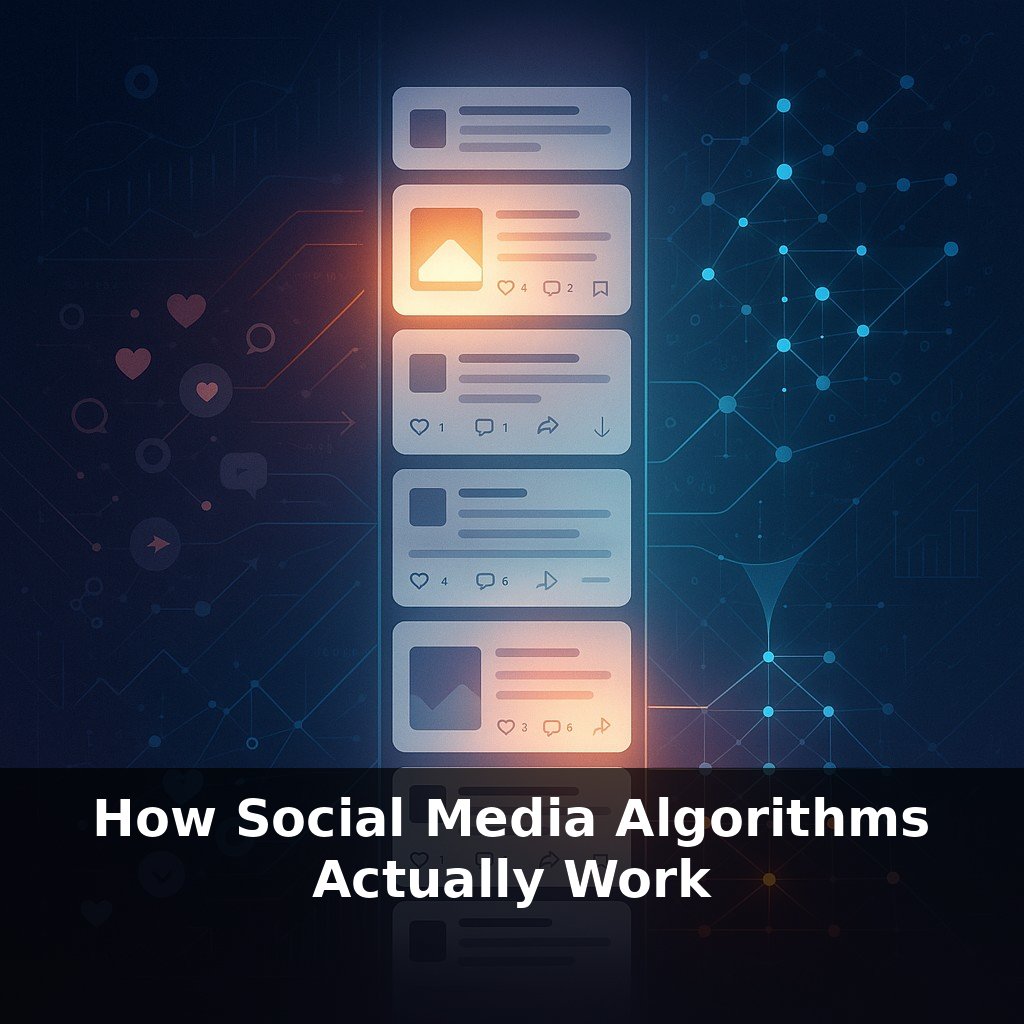
YouTube’s algorithm chooses most of what people watch—yet almost none of us could explain how it decides. One creator posts a careful, thoughtful video and it flops. The next day, a quick rant goes viral. Same person, same audience. So what exactly is the system rewarding?
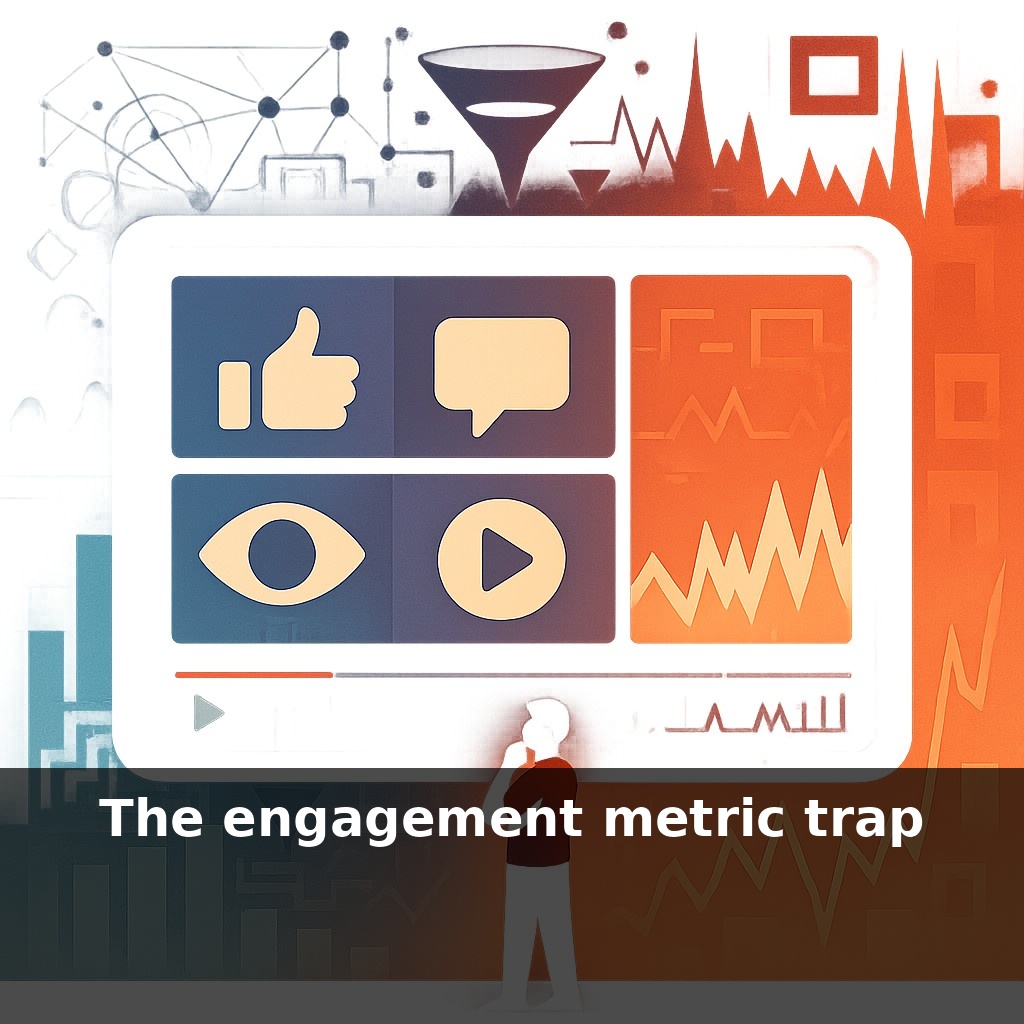
Now shift focus from the algorithm itself to the scoreboard it’s chasing. Most major platforms boil human behavior down to a handful of numbers: clicks, likes, comments, watch-time. Those metrics become the north star—not because they’re wise, but because they’re easy to count. And what’s easy to count quietly becomes what “success” means.
For creators, that scoreboard can start to feel like a mood ring for their self‑worth: one low‑performing post and the anxiety kicks in; one spike and suddenly the pressure is to repeat it at all costs. For users, the same metrics tell the system, “Show me more of whatever kept me here longest,” whether or not they actually felt good afterward. Over time, that loop can shift the entire culture of a platform—not through a single decision, but through millions of tiny nudges toward whatever keeps the numbers rising.
Behind the scenes, whole teams inside these companies obsess over those numbers, running constant experiments to see what lifts them by a fraction of a percent. A minor tweak to a “recommended for you” section can quietly redirect millions of hours of attention in a single week. That’s how 70% of watch time on YouTube ends up coming from suggestions most people didn’t actively search for. Meanwhile, creators talk about spending almost half their workweek poring over dashboards, trying to reverse‑engineer patterns the platforms themselves don’t fully share or fully understand.
Walk through how this plays out day to day. A product team at a big platform runs an experiment: “Variant A” of the feed shows slightly more posts that historically triggered lots of replies; “Variant B” shows more posts that led to longer viewing sessions. After a week, they compare graphs. If B increases total minutes watched by even 0.3%, B wins. It ships. No one had to say, “Let’s prioritize outrage.” The choice was framed as “Did the number go up?” and that quietly makes everything else secondary.
Creators feel this from the other side. When anger or shock reliably spikes the chart, it’s hard not to lean into it. A careful explainer might underperform next to a fiery takedown, even if the audience ultimately values the explainer more. Over months, that difference compounds: the “safe” choice becomes the spicier thumbnail, the more polarized title, the faster punch‑in. Not because everyone suddenly prefers extremity, but because subtle, steady content loses the algorithmic footrace.
Users are caught in the middle. TikTok pulling 95 minutes a day from the average user isn’t an accident; it’s the product of thousands of small bets optimized toward, “Will you stay for just one more clip?” Recommendations learn that late‑night scrolling sessions follow certain sounds, faces, or topics, and they’re ruthlessly good at stitching those together. You might close the app feeling drained, but the metric just logged a win.
There’s also a governance problem: what you measure shapes what you notice. If internal dashboards glow green when comments and reshares spike, teams celebrate “record engagement days” even when those surges are driven by harassment, conspiracy theories, or coordinated pile‑ons. Harms that don’t move the core graphs—like quiet feelings of loneliness or compulsive checking—stay statistically invisible.
This is where the trap tightens. Leadership wants simple KPIs, advertisers want reach, investors want growth. All of those pressures converge on the same few numbers, even when people inside the company suspect those numbers are too crude. The longer that alignment holds, the harder it becomes to argue for alternative goals that are slower to measure, like genuine learning, long‑term trust, or mental health.
A news publisher finds that calm, context‑rich reporting consistently underperforms next to heated panel debates. Over a quarter, the team quietly shifts resources: fewer investigative pieces, more clips of guests clashing on air. The metrics look great; the newsroom feels off. A language‑learning app runs A/B tests and learns that streak‑loss warnings cause people to open the app more often than encouraging reminders. Product roadmaps start orbiting around streak mechanics, even though most learners say they care more about confidence than calendar icons.
On a smaller scale, a solo creator notices that nuanced videos draw heartfelt emails but modest numbers, while snappier “hot take” shorts explode. Brand deals follow the spikes, not the substance, so the next month’s content plan tilts toward what pays. The pattern also shows up in product design: social apps discover that adding tiny friction—an extra tap to see who liked your post—reduces compulsive checking, but it also shaves a few points off daily opens, so the experiment quietly dies in a slide deck.
Regulators are starting to ask: “What if the goal wasn’t ‘more’ but ‘better’?” That could mean ranking posts the way a good teacher grades essays—on clarity, effort, and follow‑through, not just loudness. Creators might see dashboards that highlight “people who came back a month later” instead of “spikes this afternoon.” But as AI fills feeds like a firehose, healthy goals will need stronger filters, or thoughtful work risks sinking under an ocean of auto‑generated noise.
Maybe the real shift starts smaller than redesigning every platform: with changing what we personally treat as a “win.” Instead of chasing spikes, we can notice which accounts leave us calmer, smarter, or genuinely amused—like the friend whose messages you always open first. Your challenge this week: prune one noisy follow for every quiet, nourishing one you add.