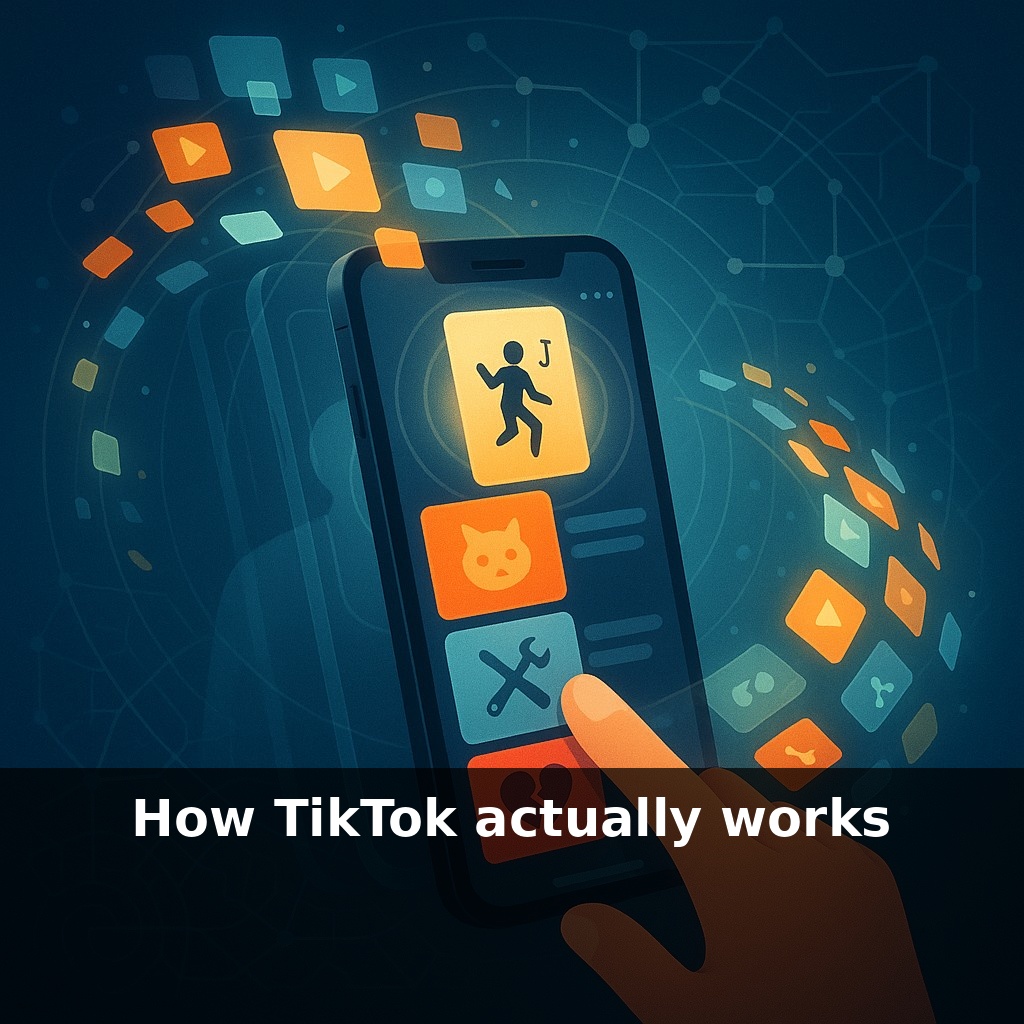
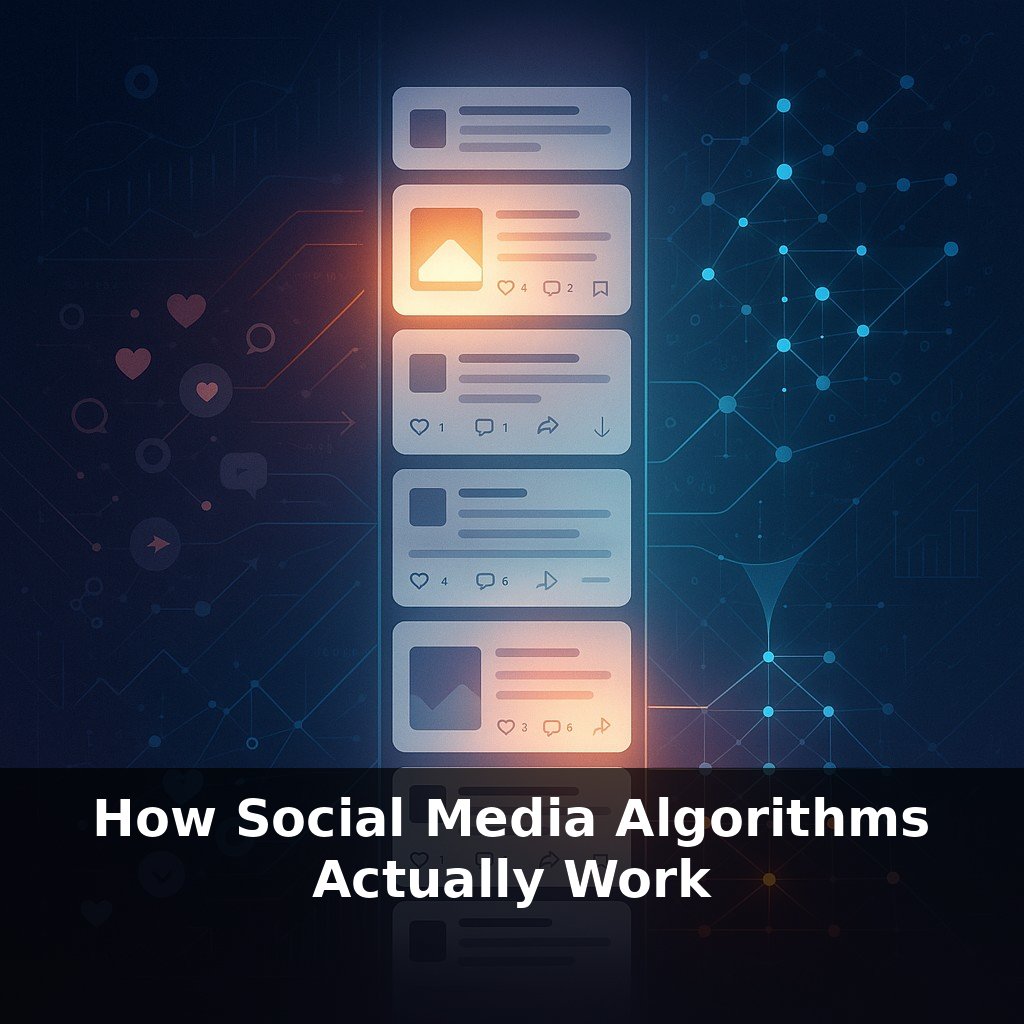
TikTok can figure out your taste in videos in just a handful of swipes—often faster than your friends could. One moment you’re seeing a dancing cat, the next you’re deep into niche woodworking or breakup advice. How does it lock onto you so quickly, without really knowing who you are?
TikTok isn’t just guessing what you like; it’s running a nonstop experiment on you. Every clip it shows is a tiny test: will you stay, will you skip, will you send it to a friend at 2 a.m.? Now zoom out: millions of people, billions of these micro‑tests, all happening at once. That’s not just “good recommendations,” that’s a global attention lab running in real time. And the stakes are bigger than whether you see comedy or cooking. This testing loop quietly shapes which songs become hits, which brands sell out overnight, and which strangers turn into overnight celebrities. When a 10‑second joke or a sleepy storytime can suddenly reach millions, the whole logic of “who gets heard” is up for grabs—and TikTok is the one dealing the cards.
Scroll a bit deeper and you hit the real twist: on TikTok, *who you know* matters far less than *what you watch*. Traditional social feeds are built around your friends, family, and follows; TikTok quietly swaps that out for a vast web of clips, trends, and behaviors. It’s not connecting you to a social circle, it’s wiring you into a content circuit. That shift changes who gets visibility, how quickly tastes can flip, and how easy it is for a total unknown to cut through the noise. Instead of climbing a ladder of followers, creators are constantly auditioning for billions of tiny, algorithmic spotlights.
Think of TikTok’s system as running on two tracks at once: decoding *you* in real time, and grading *every video* as it spreads through the app.
On the “you” side, TikTok pays close attention to tiny differences in behavior. Do you bail out after 0.3 seconds or stick to the end? Do you let a clip loop three times, or scrub back to rewatch a specific moment? That nuance matters more than hitting Like. A full watch plus a replay is treated as a much stronger signal than a casual tap on the heart. Even hesitation counts: pausing on a video while you read the text overlay quietly nudges your profile toward that topic, language, or mood.
But the other half of the story is what happens *before* a video lands on your screen. When a new clip is uploaded, TikTok doesn’t just blast it to all of a creator’s followers. It starts in a small “test pool” of people whose behavior suggests they might enjoy that style. The app tracks how that first batch responds: Did they finish it? Share it? Follow the creator afterward? If those early numbers beat a hidden baseline, the system widens the circle and shows the clip to a larger, slightly more diverse group.
This process repeats in waves. Each wave is like moving up a level in a tournament: the better a video performs, the more chances it gets, often jumping outside its original niche. That’s why a hyper‑specific joke filmed in a bedroom can suddenly appear on feeds across countries and age groups. The video isn’t riding on the creator’s reputation; it’s riding on its own performance data.
Context matters too. TikTok bundles clips into loose “clusters” around sounds, hashtags, editing styles, and even on‑screen text. If one video using a particular song surges, other videos tied to that sound can hitch a ride, even from unknown accounts. This clustering also helps TikTok detect emerging themes fast: as more people interact with a new meme format or audiosnippet, fresh uploads that resemble it get fast‑tracked into those same receptive pockets of viewers.
Underneath the fun, this structure quietly rewrites distribution: instead of hierarchy and followers, it’s probability and momentum, recalculated minute by minute.
When “#Dreams” sent a man skateboarding with cranberry juice across millions of screens, it wasn’t just an internet joke; it translated into a 15 % sales bump for Ocean Spray in a single week. A sleepy Fleetwood Mac track from 1977 suddenly sat beside new releases on streaming charts—not because a label pushed it, but because TikTok’s system decided those few seconds kept people glued to their screens. The same pattern plays out with recipe clips that empty supermarket shelves of feta or salmon, or with niche beauty products that go from unknown to sold‑out after a handful of well‑performing posts. One creator might gain 100,000 followers overnight from a single oddly satisfying restocking video, while another sees a thoughtful, high‑effort clip sink without a trace. For musicians, marketers, or politicians, the unsettling reality is that *format* and *fit* to TikTok’s fast, looping style can outweigh reputation, budget, or expertise, reshaping which voices feel “popular” in the first place.
TikTok’s influence doesn’t stop at your “For You” page. As more life moves on‑screen—shopping, dating, even job‑hunting—similar ranking engines will quietly decide who and what appears first. Think of it like walking through a city where every street, billboard, and storefront silently rearranges based on your past footsteps. That convenience raises new questions: Who gets hidden, who gets boosted, and should users see the “settings” for how their reality is being filtered?
In the end, TikTok is less a “video app” and more a rehearsal stage for future media. The same logic is creeping into news feeds, shopping tabs, even hiring tools, nudging your choices like a GPS that quietly prefers certain routes. Your challenge this week: notice each time TikTok suggests *who you should be next*—not just what you should watch.