You can cut your risk of developing type 2 diabetes by about half… without losing a single pound. A brisk walk after dinner, three short movement breaks at work, a few squats by the kitchen counter—today we’ll explore how these tiny choices quietly rewire your metabolism.
Most people think movement only “counts” if it’s in gym clothes, tracked by an app, and long enough to feel hard. But your muscles don’t care whether you’re on a treadmill or carrying groceries up the stairs—they only care that they’re being used. Modern research is clear: short, ordinary, even slightly awkward bits of daily motion can rival formal workouts for improving how your body handles blood sugar. The twist is timing and consistency. When you move *throughout* the day—standing up during long meetings, walking the hallway after lunch, doing 10 slow calf raises while the kettle boils—you’re repeatedly nudging your muscles to pull more glucose out of the bloodstream. Over a week, those nudges add up like spare change in a jar, quietly shifting you away from prediabetes territory without needing perfection or a “fitness identity.”
So where does all this leave you in practical terms? Research suggests there are two big levers: structured exercise and what scientists call “incidental activity” — all the small, unscheduled motions that punctuate your day. Both matter, but most people unknowingly rely on just one. Someone might crush a 45‑minute workout, then sit almost motionless for the next 10 hours. Another person never goes to the gym, yet is constantly on the move, like a city commuter changing trains, climbing stairs, weaving through crowds. The strongest protection against rising glucose seems to come from combining these two patterns on purpose.
Here’s where the numbers become your allies instead of your judges. Large trials and meta‑analyses show that when people deliberately combine planned workouts with “background” activity, insulin sensitivity can jump by roughly 25–40 %. That’s a huge shift for something you fully control with your calendar and your shoes.
Think of three movement “layers” you can stack:
**Layer 1 – The weekly backbone**
This is your deliberate exercise: the walks, bike rides, swims, classes. The American Diabetes Association baseline is 150 minutes per week of moderate‑to‑vigorous aerobic activity, plus 2–3 resistance sessions. But you don’t have to hit that on day one. You might start with 10–15 minutes most days and slowly stretch them. What matters most for your glucose is not one heroic workout, but the pattern across the week.
**Layer 2 – The 48‑hour window**
A single bout of exercise makes your muscles more responsive to insulin for up to two days. That means it’s smarter to scatter sessions (say, Mon–Wed–Fri–Sun) than to cram everything into the weekend. You’re trying to avoid long stretches—three, four, five days—where there’s no “signal” to your muscles at all. Spreading things out keeps that window of improved response overlapping.
**Layer 3 – The all‑day rhythm**
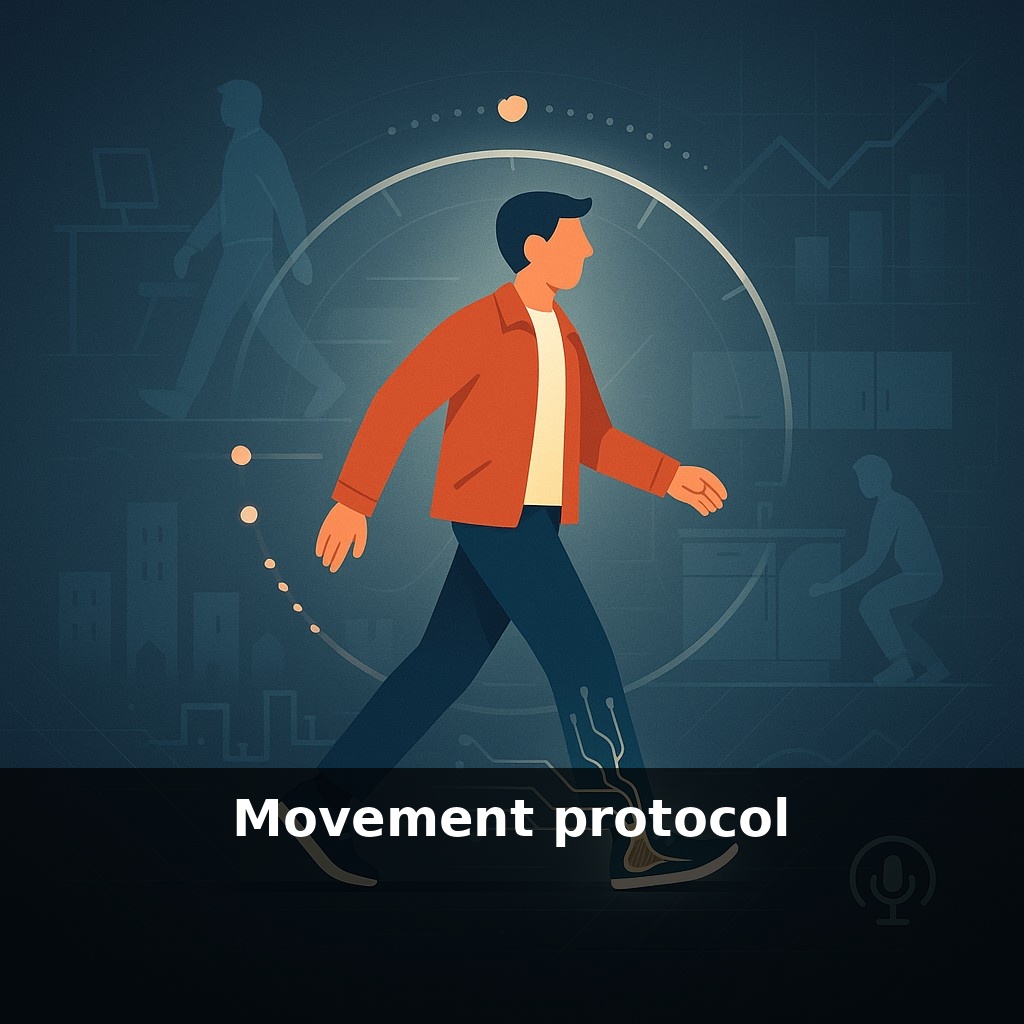
Even if you hit your structured targets, long, uninterrupted sitting still blunts the benefit. This is where “movement snacks” come in. Brief bursts—2–5 minutes of walking, stairs, or light body‑weight moves—done every 30–60 minutes can flatten glucose spikes after meals. Each extra 1,000 steps per day cuts diabetes risk by about 6 %, and many people discover they can add 2,000–3,000 steps just by tweaking routines at home or work.
Crucially, none of this requires visible weight loss to work. In fact, some people in the landmark Diabetes Prevention Program who barely changed the scale still shifted back to normal glucose ranges—about 35 % regained normoglycemia—largely through these behavior changes.
Over years, maintaining or building strength becomes just as important. Losing 10 % of your muscle with age can mean roughly 15 % less capacity to clear glucose. That’s one reason resistance training—twice, ideally three times per week for major muscle groups—belongs next to walking in your plan, not as an optional extra.
Think of this like arranging a playlist rather than repeating one long song. Some people thrive with a “morning headliner”: 20 minutes of brisk walking, then sprinkling in 5‑minute “tracks” of stairs, light stretches, or walking phone calls. Others prefer “remixes” all day—no formal session, but constant short bouts that add up. Neither is morally superior; what matters is how well it fits your actual life.
Take Maya, a 52‑year‑old project manager. She stopped aiming for nightly gym visits that never happened and instead set a rule: walk the long way from the train, do 8–10 slow squats while coffee brews, and schedule a resistance band session on calendar days she pays bills. Within months, her step count climbed by 3,000 per day and her lab results reflected it.
Or Dan, 60, who travels for work. He started booking hotels by staircase access, not just price, and turned every airport wait into a walking loop. Both built “default” patterns so they move more without needing extra willpower.
Soon, movement plans may look more like personalized weather reports than generic step goals. AI tools could read patterns from wearables, CGMs, and calendars, then suggest “micro‑routes” through your day—two minutes here, five there—timed to your real life, not an ideal schedule. Workplaces and insurers might start “subsidizing” activity the way they do flu shots, treating short walks and strength breaks as low‑cost vaccines against future complications.
As wearables, apps, and even smart treadmills get smarter, you’ll gain more chances to test what actually shifts your numbers: is it an after‑lunch walk, evening strength, or tiny breaks between emails? Your challenge this week: treat your day like a lab notebook and note which patterns leave you feeling steadier, clearer, and more in control.