“Most people reverse pre-diabetes without ever counting a single calorie… once they change *what* and *when* they eat.” You’re rushing through a busy day, grabbing quick carbs. By dinner, you’re exhausted and craving sugar. What if that pattern—not willpower—is the real problem?
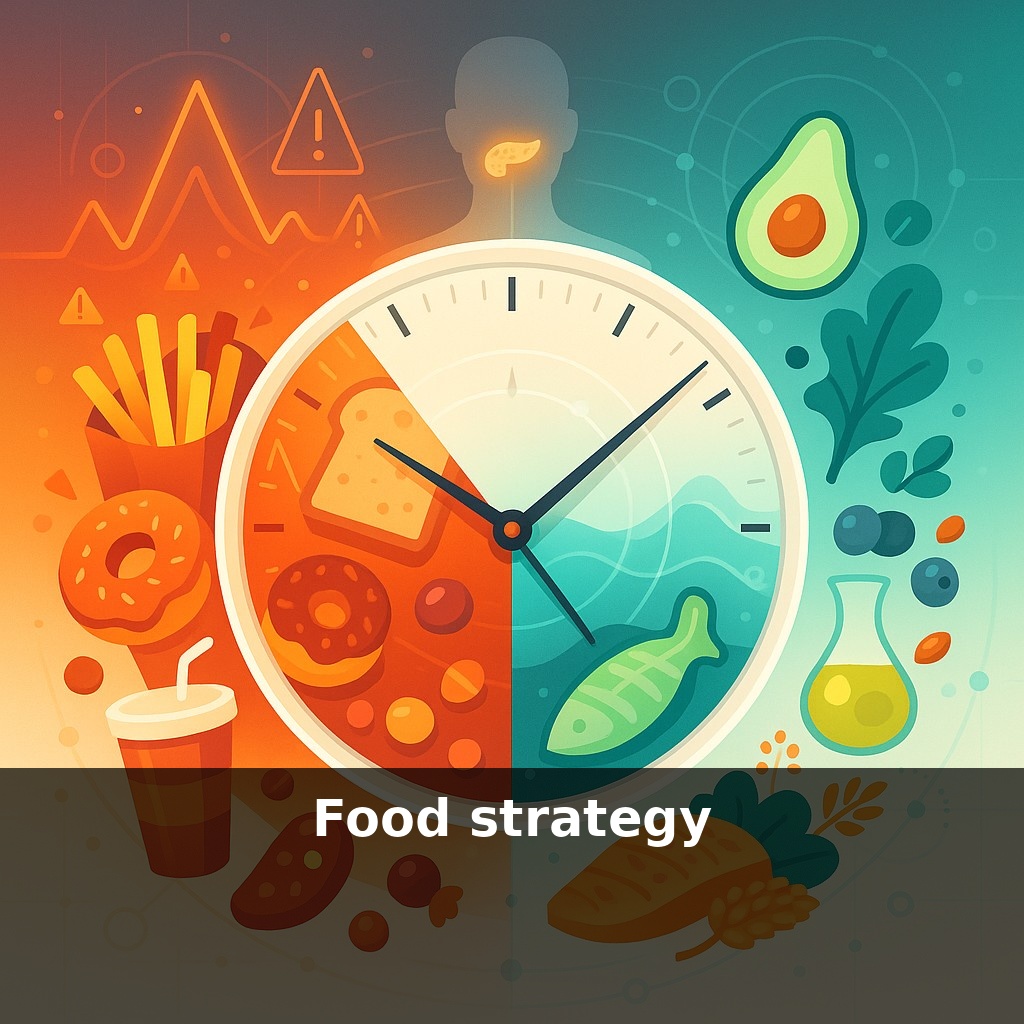
That rushed, carb-heavy day has another hidden cost: it quietly trains your body to expect constant glucose “emergencies.” Over time, your pancreas has to shout louder with insulin just to get the same effect—and that shout eventually becomes background noise your cells ignore. Meanwhile, key nutrients that stabilize appetite and energy—fiber, protein, and healthy fats—are missing in action. So even when you’ve technically “eaten enough,” your body keeps sending hunger signals because it hasn’t received what it actually needed. Think of your meals like a playlist: if every track is a fast, sugary pop song, you feel hyped, then drained. Mix in slow, steady tracks—high‑fiber carbs, lean protein, unsaturated fats—and the whole day’s rhythm changes. In this episode, we’ll turn that idea into a concrete food strategy you can actually follow.
Most people are told to “eat less, move more,” but the data are sharper than that. Lose just 5–7 % of your body weight and your odds of sliding into diabetes drop by more than half. Swap refined grains for whole ones and the sugar spike from that meal can fall by about 50 %. Shift a small slice of calories from butter and fatty cuts to nuts, olive oil, or fish, and risk falls again. This isn’t about perfection; it’s about stacking quiet advantages. Like adjusting a camera lens one click at a time, these small tweaks can slowly bring your blood sugar back into focus without feeling like a crash diet.
Here’s where we turn principles into a pattern you can actually live with.
Think of your day in three anchors plus optional “support snacks”: breakfast, midday meal, evening meal, and one or two deliberate snacks if you truly need them. The goal isn’t perfection; it’s to create a repeating structure your body can predict, so it stops overreacting.
Start with **breakfast as your blood‑sugar tone‑setter**. Skip the pastry‑and‑coffee combo that vanishes in an hour. Aim for a slow, steady combination: a high‑fiber, lower‑GI carb (like oats or dense wholegrain toast), a solid hit of lean protein (eggs, Greek yogurt, cottage cheese, tofu), and some unsaturated fat (nut butter, seeds, avocado). That mix keeps your next hunger wave gentler and later.
For **lunch**, your priority is to blunt the afternoon crash. Build your plate in three rough thirds: - half non‑starchy vegetables - a quarter lean protein - a quarter high‑fiber carbs (beans, lentils, intact whole grains, or a small serving of starchy veg) Then lace it with a small amount of healthy fat—olive oil dressing, hummus, nuts. This structure quietly reduces overall calories while keeping you satisfied.
**Dinner** is where many people undo the whole day. Two simple protections: 1. Decide on your carb before you’re hungry (for example, “I’m having a fist‑sized portion of brown rice or roasted potatoes, nothing extra”). 2. Make vegetables and protein visible first on the plate; let the carb fill the remaining space instead of leading.
Snacks should be **supportive, not entertainment**. Reach for combinations that pair a modest carb with protein or fat: an apple with almonds, carrot sticks with hummus, berries with a spoon of yogurt. If a snack is mostly white flour or added sugar, it’s more likely to restart the spike‑and‑crash loop.
Next, address **hidden sugar and refining**. Scan labels for: - added sugars in the first three ingredients - long lists of refined flours Commit to one swap at a time: soda to sparkling water with lime, sweetened yogurt to plain with fruit, white bread to a dense wholegrain.
Finally, layer in **consistency**. Try to keep meals within roughly the same 1–2‑hour windows each day. That rhythm teaches your body that steady fuel is coming, so it can dial down the emergency alarms and gradually restore better control over blood sugar and appetite.
Think of your new food pattern like upgrading your phone’s operating system: the hardware (your body) stays the same, but everything runs smoother once you change how the apps are organized. Start with **simple defaults** that trigger better choices without thinking. For example, decide that any sandwich you buy this week automatically comes on the grainiest bread they offer. If there’s a side, your default is salad or veggies, not fries. At coffee shops, make “no syrups, smallest size” your standard order, and treat anything sweeter as a rare, deliberate exception.
When eating out, scan the menu in this order: 1) grilled or baked proteins, 2) vegetables, 3) high‑fiber carbs, 4) sauces. Build your meal from the top of that list down, asking for dressings and sauces on the side so you control how much lands on the plate. At home, shrink your plate size once, then forget about it; over a month, that quiet shift alone can trim hundreds of calories without feeling like restriction. The key is turning helpful choices into autopilot settings so willpower isn’t doing all the work.
Insurance, tech, and grocery stores are quietly turning your plate into a treatment plan. Continuous glucose monitors and food‑logging apps are starting to sync like a navigation system, rerouting you in real time when a meal sends your numbers off course. As “food‑as‑medicine” coverage expands, discount produce boxes, tailored meal kits, and supermarket pharmacist‑dietitians may become as routine as co‑pays—shifting some power from the pharmacy counter to your kitchen table.
Your challenge this week: test a mini “food‑as‑medicine” experiment using whatever tools you already have. For 7 days, pick ONE meal (say, lunch) and treat it like a prescription: same 3 components, same 2‑hour window, and log it the same way each day—notes app, photo, or wearable data if you have it. At week’s end, compare: which version left you clearest, calmest, and least snack‑driven in the afternoon?
Think of this as tuning an instrument, not chasing a perfect score. Tiny shifts—a slower bite, adding one more colorful plant food, swapping one drink—are like adjusting single strings. Over time, the whole melody of your day changes. Keep noticing which foods give you steady focus, better sleep, or lighter moods; those quiet wins are your real feedback loop.
Before next week, ask yourself: “If I ate exactly how I did yesterday for the next 30 days, how would my energy, mood, and focus change—and what’s one *specific* swap (like changing my afternoon pastry to Greek yogurt with berries) that would move me closer to how I want to feel?” “Looking at my week ahead, where are the two ‘high-risk’ moments for impulse eating (like late-night snacking or drive-thru dinners), and what’s one concrete backup option I can prep now—such as a frozen veggie-packed meal or a ready-to-grab protein snack?” “If I treated my grocery list as a strategy document instead of a habit, what 3 core foods would I add (for example: pre-washed salad greens, rotisserie chicken, frozen mixed veggies) to make my default meals healthier without extra effort?”