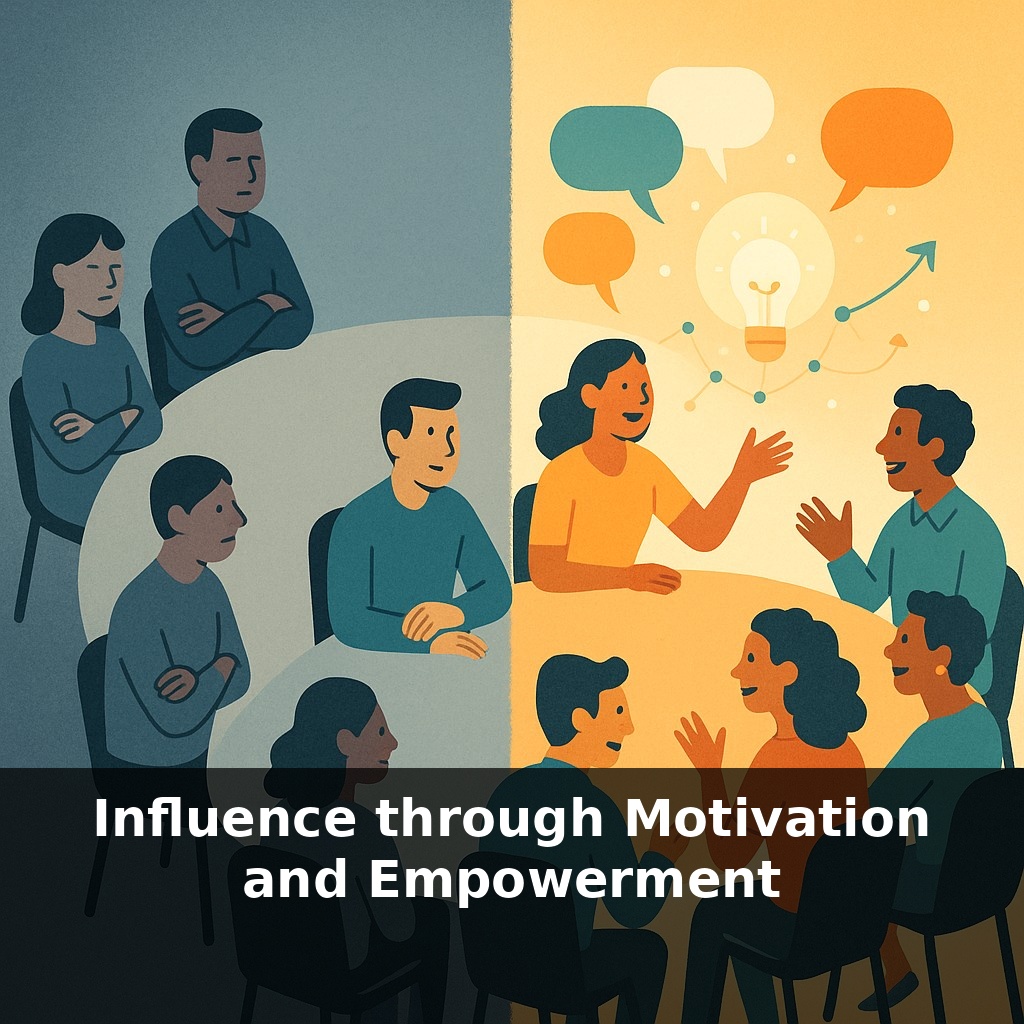
Teams where people feel safe to speak up are consistently the top performers—Google proved it. Now, jump into two meetings: in one, everyone waits for the boss; in the other, ideas fly from every seat. Same talent. Very different power. What’s really driving that gap?
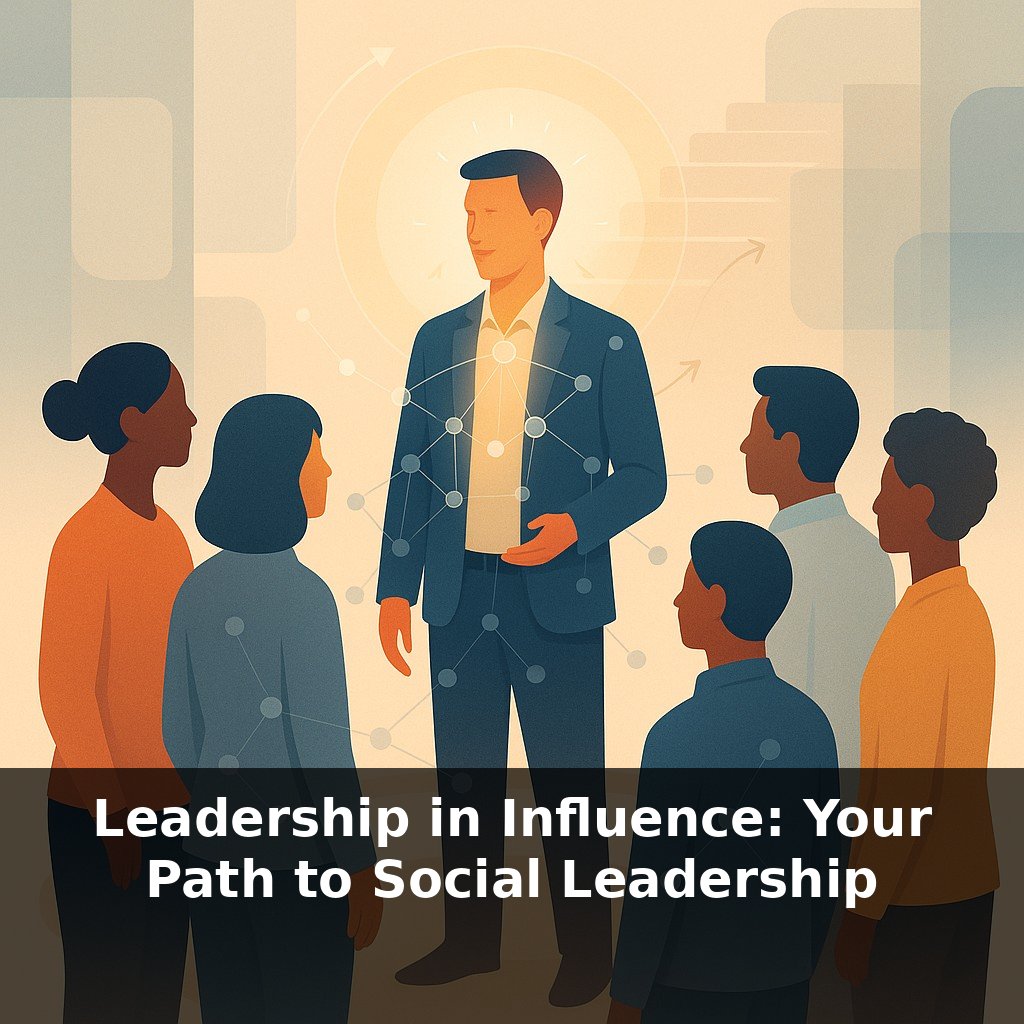
In that high-energy meeting where ideas fly, something subtle is happening: people don’t just feel *safe*—they feel that their voice *matters* and their actions *change outcomes*. That’s the shift from “I’m allowed to talk” to “I have real influence here.” Modern research is blunt about it: authority on paper is weak fuel; intrinsic motivation and a sense of ownership are the real engine. When people see a clear, meaningful goal and have the freedom, tools, and trust to pursue it, they stop acting like passengers and start acting like co-pilots. Influence then isn’t you pushing harder; it’s you designing an environment where initiative becomes the norm. In that kind of culture, motivation isn’t a pep talk—it’s baked into how decisions, responsibilities, and credit are shared every day.
Influence through motivation and empowerment starts with a quiet shift: you stop being the main problem-solver and become the architect of a system where others solve problems faster than you ever could. Research is clear—when people have autonomy, clarity, and trust, they don’t just work harder, they work *smarter* and stick around longer. Think of how Microsoft’s culture shift unlocked experimentation and bold ideas across levels, not just at the top. In your own world, this might look like redefining “being a strong leader” from having the best answers to consistently unlocking other people’s best moves.
Influence deepens when people stop asking, “What does my boss want?” and start asking, “What does this situation need, and how can I move it forward?” That shift doesn’t happen by accident; it’s designed through four levers you control every day: meaning, boundaries, resources, and recognition.
First, meaning. Goals that sound impressive but feel disconnected from real impact don’t energize anyone. Translate targets into human stakes: who is helped, what improves, what becomes possible if this works. Leaders at mission-driven companies obsess over this translation. They don’t just cascade metrics; they connect the dots between a person’s task list and a bigger story.
Second, boundaries. Empowerment without edges feels risky and vague; people hesitate because they don’t know where “too far” is. High-influence leaders are explicit: “Here’s the decision space that’s yours. Beyond this line, involve me.” Notice the nuance: you’re not just delegating tasks; you’re delegating *decisions*, and you’re drawing a visible box around where others can act freely.
Third, resources. Nothing kills motivation faster than being told, “Take ownership,” and then discovering you lack time, tools, or access. The most effective influencers quietly remove friction: they renegotiate deadlines, unlock cross-team support, or simplify approval chains so that initiative actually pays off instead of punishing the person who raised their hand.
Fourth, recognition. Not the generic “good job,” but precise acknowledgment that links effort to impact: “When you streamlined that process, we cut response times by 30%. That changed how customers experienced us.” Recognition like this has two effects: it reinforces the behaviors you want repeated, and it signals to the whole group what *really* matters around here.
Influence through empowerment also means staying present when things go wrong. Instead of grabbing control back, you run a calm post-mortem: What did we learn? What will we change next time? Over time, people internalize that stepping up is safe, worthwhile, and noticed—and that’s when your influence begins to scale beyond your direct line of sight.
Think about a product manager who keeps getting pulled into every decision. Instead of fighting it, she pilots an experiment: for the next feature launch, engineers own *how* they ship, customer success owns *how* they communicate, and she only decides *what* problem the team is solving and *by when*. She posts a simple one-page “decision map” in the project channel so everyone sees who holds which choices. Within a sprint, people stop pinging her for approvals and start updating her on outcomes.
Or consider a friend group planning a trip. One person picks the destination, but another owns the budget, someone else owns logistics, and another curates experiences. Suddenly, instead of one exhausted planner chasing everyone, you have multiple people leaning in—because each knows their lane and sees their fingerprint on the final week.
Influence here isn’t louder directions; it’s the quiet design of roles, decisions, and credit so that contribution feels both natural and visible.
Influence will increasingly look like a personalized dashboard, not a one-size-fits-all memo. Leaders will watch “empowerment signals” the way investors watch market indicators—spotting where trust is compounding or eroding. AI will surface who’s consistently under-voicing ideas, who’s overburdened with decisions, and where risk-taking stalls. Your edge won’t be louder direction, but smarter calibration: when to add constraint, when to extend credit, when to step back so others can step up.
Influence, then, becomes less about directing traffic and more about tuning the system. Like a sound engineer, you’re adjusting inputs—who gets context, which constraints shift, how learning is shared—and listening for clearer signals: better judgment, peer-to-peer support, quieter firefights. As you refine those dials, your impact spreads where your presence never will.
Here’s your challenge this week: Choose one person on your team and, in your next 1:1, ask them three specific questions: “What work gives you the most energy?”, “What’s one skill you’re eager to grow this quarter?”, and “What’s one decision you wish you had more say in?” Within 24 hours, delegate one meaningful decision related to their answers (not just a task) and clearly state, “You own this outcome—I’m here only as a sounding board.” Before the week ends, circle back to them for a 10-minute debrief on how it felt to have that ownership and what support they actually needed from you.