 2min preview
NASA vs SpaceX: Two visions for Mars colonization
📝 Transcript
On a planet where a small dog’s worth of oxygen counts as a breakthrough, two giants are racing toward the same rusty horizon. One moves slowly, funded by taxpayers; the other sprints, backed by rockets and risk. Both claim Mars—but their blueprints for humanity are wildly different.
NASA’s roadmap starts not on that distant world, but much closer: in cislunar space. The agency’s plan threads through Artemis moon landings, a small Gateway station in lunar orbit, and a series of increasingly complex missions that rehearse deep-space living. Each step is like adding a new instrument to an orchestra—life-support here, radiation shielding there—until the full symphony is ready for a months-long voyage. SpaceX, meanwhile, wants to skip the chamber music and go straight to stadium rock. Instead of assembling capabilities across multiple programs, it is betting almost everything on a single, towering vehicle: Starship. If NASA is knitting a layered, resilient sweater for future crews, SpaceX is trying to spin an entirely new fabric—and stress-test it in real time. Between them lies a quiet question: how fast can we safely move when the rehearsal stage is 225 million kilometers away?
NASA also has to navigate politics: budgets shift with elections, priorities change with headlines, and every major decision is debated in public. That pressure pushes the agency toward conservative choices, long review cycles, and hardware that looks overqualified for its first job. SpaceX, by contrast, answers mainly to investors and customers; it can blow up prototypes on livestreams and call it progress. Its culture rewards speed and iteration, even if that means learning from very visible failure. Between them, two different definitions of “acceptable risk” are quietly shaping who gets to step off the ladder first.
Subscribe to read the full transcript and listen to this episode
Subscribe to unlockSubscribe for $1.99/month to unlock the full episode.
From this course
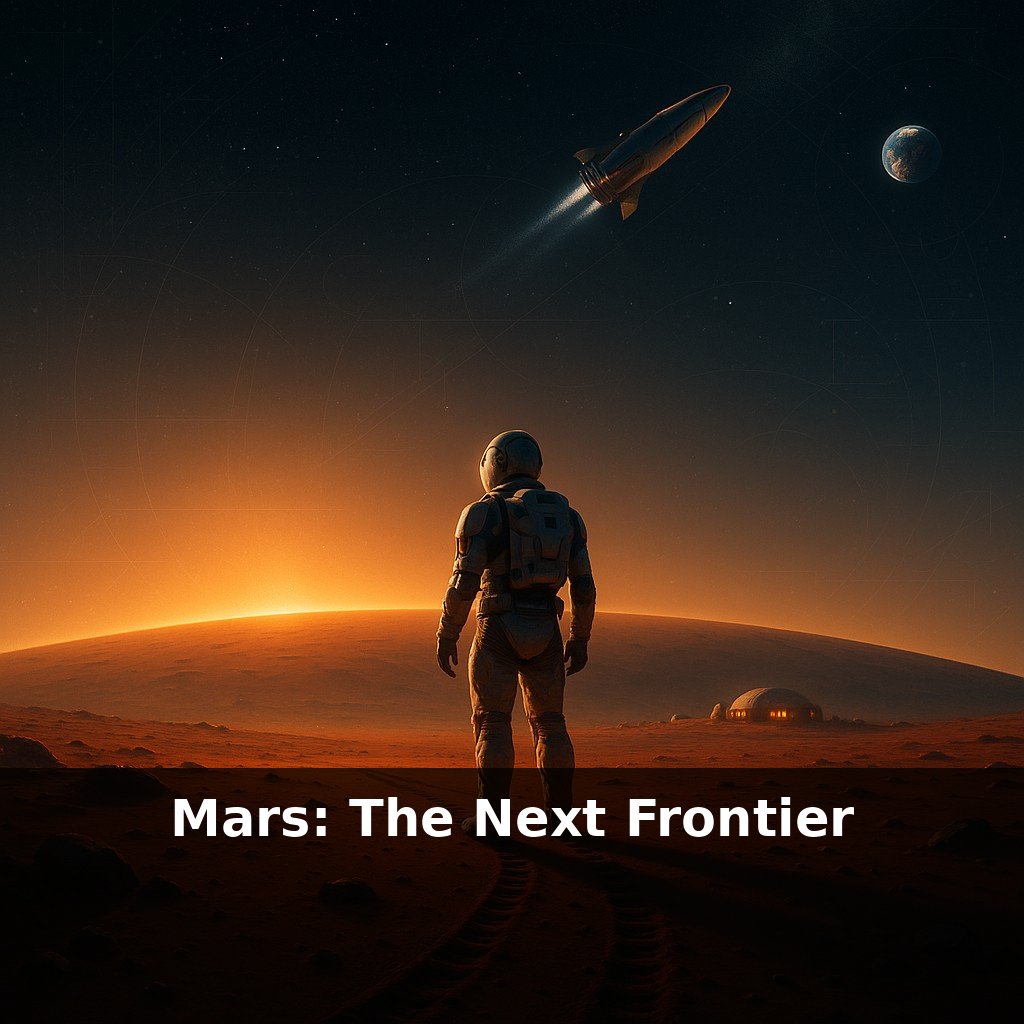
Mars: The Next Frontier
7 episodesUnlock all episodes
Full access to 7 episodes and everything on OwlUp.
Subscribe — $1.99/monthLess than a coffee ☕ · Cancel anytime

